
Health & Wellness
India’s Declining Fertility: How Delayed Parenthood & Modern Lifestyles Are Driving Infertility

- /home/u299404478/domains/toplisted.in/public_html/wp-content/plugins/mvp-social-buttons/mvp-social-buttons.php on line 27
https://toplisted.in/wp-content/uploads/2025/12/4-1000x600.webp&description=India’s Declining Fertility: How Delayed Parenthood & Modern Lifestyles Are Driving Infertility', 'pinterestShare', 'width=750,height=350'); return false;" title="Pin This Post">
- Share
- Tweet /home/u299404478/domains/toplisted.in/public_html/wp-content/plugins/mvp-social-buttons/mvp-social-buttons.php on line 72
https://toplisted.in/wp-content/uploads/2025/12/4-1000x600.webp&description=India’s Declining Fertility: How Delayed Parenthood & Modern Lifestyles Are Driving Infertility', 'pinterestShare', 'width=750,height=350'); return false;" title="Pin This Post">
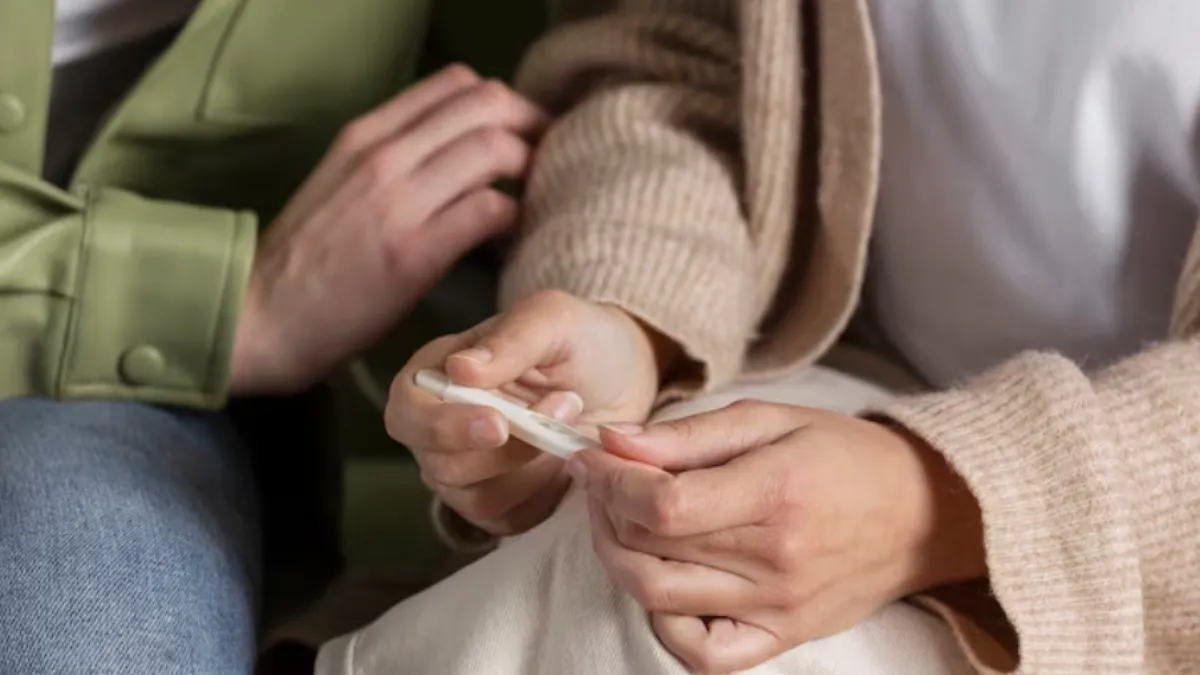
Infertility is rising sharply among young couples across India, even as medical technology reaches new heights. Fertility specialists report a significant increase in infertility cases—especially among couples in their late 20s and 30s—highlighting a new and worrying trend: infertility as a lifestyle disorder.
While medical conditions like PCOS, endometriosis, low ovarian reserve, and poor sperm quality remain common causes, experts point to a new and growing set of contributors: stress-heavy lifestyles, constant screen exposure, delayed childbearing, poor diet, and environmental toxins. These factors collectively are redefining reproductive health in India.
📉 India’s Fertility Rate Drops Below Replacement Level
India’s Total Fertility Rate (TFR) has fallen to 1.9, below the replacement level of 2.1, according to SRS data.
- 18 states and UTs, including Delhi, Karnataka, Punjab, and West Bengal, now fall below replacement fertility.
- For the first time, rural India has reached a TFR of 2.1, while urban India has dipped further to 1.5.
- Fertility is declining fastest among women aged 15–29, while increasing slightly among women above 30—clear evidence of changing reproductive timelines.
🕒 How Delayed Parenthood Is Reshaping Fertility in India
Dr Sabia Mangat, Consultant Gynaecologist & IVF Specialist at Milann Fertility Hospital, explains that more couples now postpone parenthood to pursue careers, financial security, or personal goals. While empowering, this trend clashes with biological limits.
👩🦰 For Women
Women are born with a finite number of eggs.
- Egg quality and egg quantity decline rapidly after age 32
- Increased age leads to higher chances of chromosomal abnormalities, miscarriages, and difficulty conceiving
👨 For Men
Lifestyle pressures impact male fertility too.
- Long work hours
- Smoking & alcohol
- High stress
- Lack of sleep
These contribute to lower sperm count, motility, and morphology.
Together, these age-related and lifestyle-driven factors are pushing infertility into younger age groups at unprecedented rates.
🏙️ Modern Urban Lifestyle: A Hidden Infertility Engine
Urban living dramatically impacts reproductive health.
Top Lifestyle Risks:
- Chronic stress → hormonal imbalance
- Sedentary lifestyle → obesity, insulin resistance
- Long screen hours → reduced melatonin, disrupted hormones
- Irregular sleep schedules
- High-pressure work environments
Stress particularly affects:
- Ovulation in women
- Testosterone levels and sperm health in men
These effects lead to poorer natural conception rates and also reduce success rates in IVF.
🍔 Diet & Nutrition: A Growing Threat to Fertility
Modern eating patterns are harming reproductive health.
Increased consumption of:
- Processed foods
- Sugary drinks
- Refined carbohydrates
- High-sodium snacks
These contribute to inflammation, obesity, and metabolic disorders, all of which reduce fertility.
Experts recommend a fertility-supportive diet rich in:
- Fruits
- Vegetables
- Whole grains
- Healthy fats
- Antioxidants
Deficiencies in Vitamin D, B12, iron, zinc, and omega-3 fatty acids are becoming increasingly common in urban India, further affecting egg and sperm quality.
☣️ Environmental Toxins: The Invisible Threat
Everyday exposure to environmental pollutants plays a larger role than people realize.
Common fertility-disrupting toxins:
- Air pollution
- Pesticide residues
- Plasticisers like BPA and phthalates
- Cosmetic chemicals
- Household cleaners
These chemicals interfere with:
- Menstrual cycle regularity
- Sperm production and maturation
- Embryo implantation
Long-term, these disruptions collectively impact population fertility rates.
💔 The Emotional Toll: Infertility in a Fast-Paced India
Beyond physical causes, infertility often brings tremendous emotional stress.
Couples commonly experience:
- Anxiety
- Isolation
- Depression
- Relationship strain
- Social pressure
The modern lifestyle leaves little room for emotional processing or support, creating a cycle where stress worsens hormone balance and further impacts fertility.
🌱 Infertility as a Lifestyle Disorder: Why Awareness Is Crucial
Recognizing infertility as a lifestyle-driven condition empowers couples to take preventive steps early.
Recommended preventive strategies:
- Prioritize regular health checkups
- Maintain a balanced, antioxidant-rich diet
- Reduce smoking & alcohol consumption
- Engage in regular physical activity
- Practice stress reduction techniques (yoga, meditation, mindfulness)
- Ensure 7–8 hours of sleep
- Consider fertility preservation (egg or sperm freezing) if planning delayed parenthood
These proactive steps can significantly improve reproductive outcomes.
⚠️ Disclaimer
Tips provided are for general awareness and should not be considered medical advice. Please consult a healthcare professional before making any changes to your lifestyle or treatment plans.











Health & Wellness
‘Last Plate Syndrome’: Why Many Mothers Eat Last and How It Quietly Affects Their Health

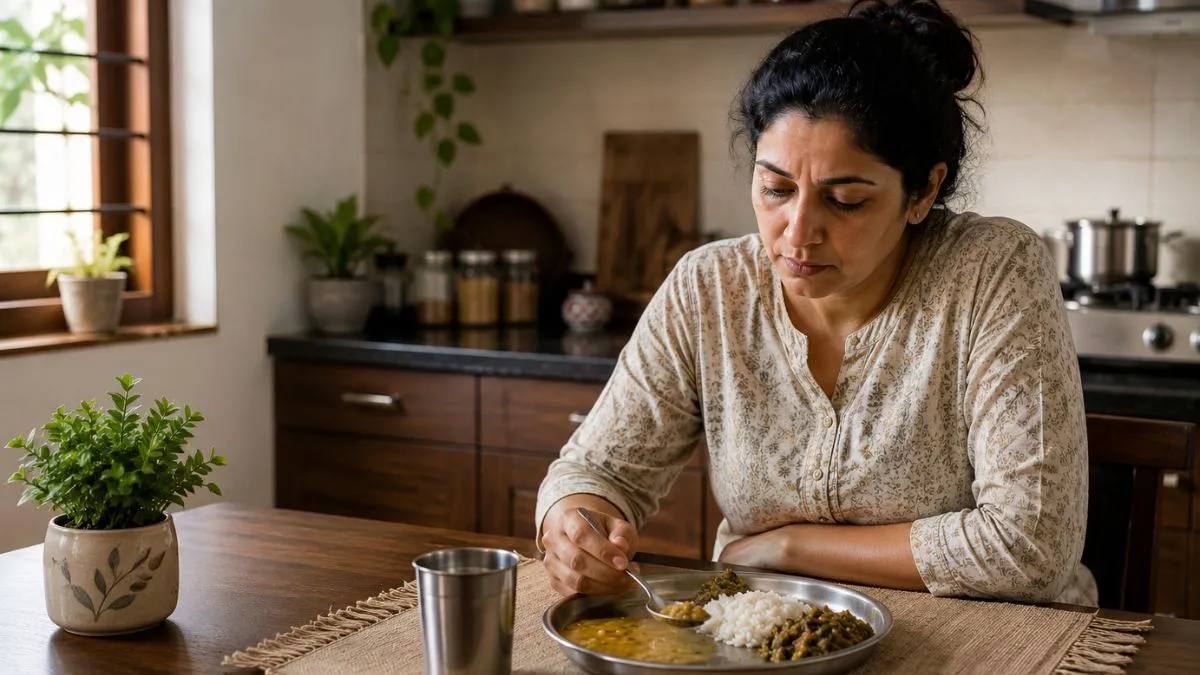
In countless Indian households, mothers are often the first to enter the kitchen and the last to eat. While the rest of the family finishes dinner together, many women are still serving food, cleaning up, or waiting until everyone else is satisfied before finally sitting down themselves. By then, meals are cold, hunger has been ignored for hours, and eating becomes more of a routine than nourishment.
This deeply normalised behaviour is now increasingly being recognised as “Last Plate Syndrome” — a silent but widespread habit that may affect women’s nutrition, energy, and long-term health.
According to Misba Begum Hussain Masthan from Apollo Clinic, many mothers unintentionally prioritise everyone else’s meals while continuously delaying or neglecting their own dietary needs.
What Is ‘Last Plate Syndrome’?
“Last Plate Syndrome” refers to the pattern where mothers or caregivers:
- Serve everyone first
- Eat only after the family finishes
- Skip meals due to household work
- Consume leftovers or reduced portions
- Ignore hunger for long periods
Experts say this behaviour is not usually intentional neglect. Instead, it develops gradually through caregiving responsibilities, social expectations, and family habits that become deeply rooted over time.
In many homes, eating last is even seen as an act of care or sacrifice, making the issue harder to recognise as a health concern.
Why Eating Late Regularly Can Be Harmful
Nutritionists warn that constantly postponing meals may quietly affect both physical and mental health.
Long gaps without food can lead to:
- Fatigue
- Irritability
- Headaches
- Difficulty concentrating
- Low energy levels
- Mood swings
Over time, irregular eating patterns may also disturb:
- Blood sugar balance
- Digestion
- Hormonal health
- Metabolism
Nutritional Deficiencies Women May Develop
According to experts, mothers who consistently eat late or consume inadequate meals may be at greater risk of nutritional deficiencies involving:
- Iron
- Vitamin B12
- Calcium
- Protein
These deficiencies can contribute to:
- Anaemia
- Weak bones
- Muscle weakness
- Hair fall
- Reduced immunity
- Persistent tiredness
In the long run, poor eating patterns may also increase the risk of:
- Diabetes
- High blood pressure
- Obesity linked to irregular metabolism
- Osteoporosis
🏠 Why This Habit Is Common in Indian Families
The syndrome is closely linked to cultural and social expectations.
Many women grow up believing:
- Family members should eat first
- Mothers should keep serving until everyone is done
- Personal hunger can wait
- Self-care is secondary to caregiving
Because the behaviour has existed for generations, families often fail to notice its emotional and nutritional consequences.
Experts say the issue is less about food itself and more about the invisible burden of caregiving.
Small Changes Can Improve Women’s Nutrition
Health specialists say improving nutrition does not require expensive diets or major lifestyle changes.
Simple everyday habits can help significantly:
- Eating meals on time
- Avoiding long gaps without food
- Drinking enough water
- Keeping healthy snacks nearby
- Sitting down to eat properly
Foods Experts Recommend Including Daily
Nutritionists advise adding simple nutrient-rich foods commonly available in Indian kitchens, such as:
- Dal
- Curd
- Eggs
- Fruits
- Nuts
- Sprouts
- Green vegetables
These foods support:
- Better iron levels
- Bone health
- Energy production
- Muscle strength
- Overall immunity
Family Support Matters Too
Experts stress that women’s nutrition should not be treated as a personal responsibility alone.
Families can support mothers by:
- Sharing cooking duties
- Helping with serving food
- Encouraging everyone to eat together
- Respecting meal timings for all family members equally
Even small changes in household behaviour can positively affect both emotional well-being and physical health.
Why ‘Last Plate Syndrome’ Is Resonating Online
The phrase has gained attention because many women instantly recognise the pattern from their own lives. Social media discussions around the topic have highlighted how everyday routines that seem “normal” can quietly affect women’s health over years.
For many readers, the conversation reflects:
- Emotional labour within families
- Invisible caregiving responsibilities
- The need to prioritise women’s health without guilt
Experts believe appreciation for mothers should extend beyond celebrations and include consistent care for their physical and emotional well-being.
Final Takeaway
“Last Plate Syndrome” may appear like a small household habit, but health experts say repeated nutritional neglect can have long-term effects on women’s health. Recognising the issue early, encouraging healthier family routines, and ensuring mothers eat on time can help improve both nutrition and overall well-being.
A major change has officially been introduced in women’s healthcare terminology. What was previously known as Polycystic Ovary Syndrome or PCOS will now be referred to as Polyendocrine Metabolic Ovarian Syndrome (PMOS).
Medical experts involved in the renaming say the old term “PCOS” was medically misleading because it focused heavily on ovarian cysts, even though the condition affects multiple hormonal and metabolic systems throughout the body.
The decision follows years of international consultation involving doctors, researchers, endocrinologists, healthcare organisations and patient advocacy groups.
Why experts wanted to change the name
According to Helena Teede from Monash University, the original term never accurately described the actual condition.
Doctors explained that many women diagnosed with PCOS do not have true ovarian cysts at all. Instead, they often have what specialists call “arrested follicles,” where eggs stop developing properly because of hormonal imbalances.
The older name created confusion for patients because:
- Ovarian cysts are not required for diagnosis
- Many patients never develop actual cysts
- The condition impacts hormones, metabolism and mental health too
- It can affect fertility, insulin resistance, skin health and weight management
Experts believe the new name PMOS better reflects the broader endocrine and metabolic nature of the condition.
What does PMOS stand for?
PMOS = Polyendocrine Metabolic Ovarian Syndrome
The new term highlights three major areas affected by the condition:
1. Polyendocrine
This refers to the involvement of multiple hormones and endocrine systems in the body.
2. Metabolic
Many women with PMOS experience:
- Insulin resistance
- Weight gain
- Difficulty losing weight
- Increased diabetes risk
- Cholesterol imbalance
3. Ovarian
The ovaries are still involved, particularly in ovulation and reproductive health, but they are no longer considered the sole focus of the condition.
Why the word “polycystic” was considered inaccurate
When doctors first described the condition decades ago, ovaries appeared uneven or bumpy during surgeries and scans. At the time, these structures were assumed to be cysts.
However, researchers now clarify that these are not the same as pathological ovarian cysts, which:
- Grow abnormally
- Cause severe pain
- Rupture or bleed
- Sometimes require surgery
Instead, PMOS is primarily linked to immature or undeveloped follicles caused by hormonal disruption.
This distinction became one of the strongest reasons behind the renaming effort.
Global consultation behind the PMOS decision
The renaming process reportedly involved:
- Thousands of patients worldwide
- Medical specialists and researchers
- More than 50 healthcare and academic organisations
- Endocrinologists and reproductive health experts
Unlike previous attempts, experts say this process was more transparent and community-driven.
Doctors also debated whether the familiar acronym “PCOS” should remain unchanged to avoid confusion. However, survey participants reportedly prioritised medical accuracy over convenience.
Symptoms commonly linked to PMOS
Although symptoms vary from person to person, PMOS may involve:
- Irregular periods
- Excess facial or body hair
- Acne and oily skin
- Hair thinning or hair loss
- Weight gain
- Difficulty conceiving
- Insulin resistance
- Fatigue
- Mood changes or anxiety
Experts say many women remain undiagnosed for years because symptoms often develop gradually.
Experts stress that PMOS is treatable
Doctors emphasise that PMOS does not automatically mean infertility. Many women with the condition are able to conceive naturally or with proper medical support.
According to experts, early diagnosis and lifestyle management play a major role in improving outcomes.
Treatment plans may include:
- Diet and exercise changes
- Hormonal therapy
- Insulin management medication
- Fertility treatment when required
- Stress and mental health support
Could there be a male version of PMOS?
Some researchers are also studying whether a related hormonal-metabolic condition may exist in men.
Preliminary studies have explored symptoms such as:
- Insulin resistance
- Obesity
- Hormonal imbalance
- Sparse hair growth
- Early balding
- Mental health issues
However, experts caution that research in this area remains inconclusive and scientifically premature.
Medical terminology may continue to change
Researchers also plan to gradually update diagnostic language used in scans and reports. Terms like “polycystic ovarian morphology” may eventually be replaced with terminology that better reflects arrested follicles and hormonal imbalance.
Healthcare professionals believe these changes could help reduce confusion, stigma and delayed diagnosis among patients.
The transition from PCOS to PMOS is expected to happen gradually through updated medical guidelines, awareness campaigns and healthcare education over the coming years.
Health & Wellness
Is the Hantavirus Outbreak Similar to COVID-19? WHO Chief Explains 3 Major Differences
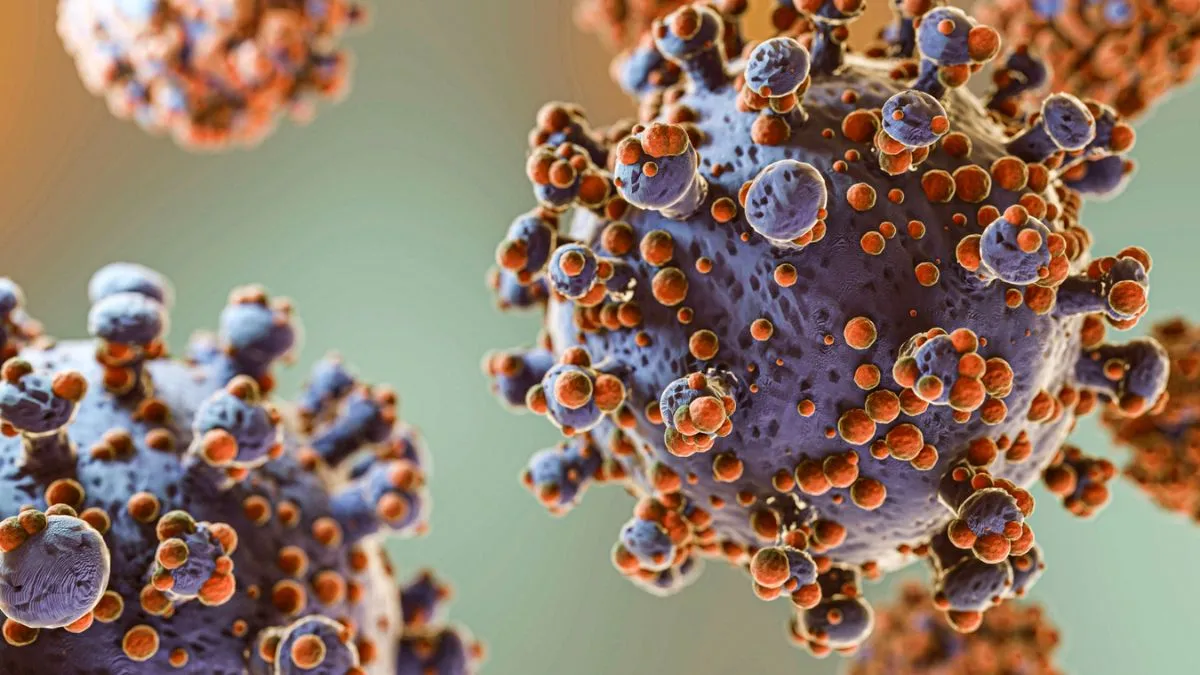
Concerns surrounding the recent Hantavirus outbreak linked to the expedition cruise ship:
MV Hondius
have triggered comparisons with the early days of the COVID-19 pandemic.
Quarantines, international monitoring, emergency evacuations, and reports of infections aboard the ship have raised public anxiety online. However, global health officials and infectious disease experts continue to stress that the current situation is fundamentally different from COVID-19.
WHO Chief Says ‘This Is Not Another COVID’
Tedros Adhanom Ghebreyesus, Director-General of the:
World Health Organization, addressed the growing fears during an interview with CBS News.
He stated clearly:
According to Tedros, scientific evidence currently suggests:
- the outbreak risk remains low
- transmission is limited
- and the situation does not resemble the rapid global spread seen during COVID-19.
Health officials say the outbreak linked to the MV Hondius involves the:
Andes strain of hantavirus
— one of the few rare hantavirus variants known to allow limited human-to-human transmission.
What Is Hantavirus?
Hantavirus is a viral disease primarily spread through:
- contact with infected rodents
- rodent urine
- saliva
- or droppings.
Symptoms may include:
- fever
- muscle aches
- fatigue
- breathing difficulties
- nausea
- and severe lung complications.
Some forms can lead to:
Hantavirus Pulmonary Syndrome (HPS)
which can become life-threatening.
Why Experts Say Hantavirus Is Different From COVID-19
Health officials have highlighted three major differences between hantavirus and COVID-19.
1. Hantavirus Does Not Spread Easily Between People
According to experts, the biggest difference is transmission efficiency.
Unlike:
COVID-19,
which spread rapidly through airborne respiratory droplets, hantavirus transmission between humans is:
- extremely rare
- difficult
- and generally requires prolonged close contact.
Maria Van Kerkhove explained:
She clarified that the current outbreak appears largely confined to a specific environment aboard the ship.
Health authorities say transmission of the Andes strain usually requires:
- close physical proximity
- exposure to bodily fluids
- or extended caregiving contact.
2. Scientists Already Understand Hantavirus Much Better
Experts note that COVID-19 became globally dangerous partly because it was:
- a completely new virus
- poorly understood initially
- and spreading before scientists fully understood transmission patterns.
In contrast, hantaviruses have been studied for decades.
Celine Gounder explained:
Researchers already know:
- likely transmission routes
- incubation patterns
- high-risk exposures
- and prevention methods.
This allows health systems to respond faster and more effectively compared to the early COVID outbreak in 2020.
3. Hantavirus Has a Longer Incubation Period
Another major difference involves incubation time.
Experts say:
- hantavirus symptoms can take 2 to 6 weeks to appear
- whereas COVID-19 often spread within just a few days.
The longer incubation period gives authorities:
- more time for contact tracing
- isolation measures
- and monitoring exposed individuals.
According to experts, most passengers linked to the cruise outbreak are now approaching the end of the observation window without a major spike in new infections.
How Many Cases Have Been Reported?
Reports linked to the outbreak mention:
- around 10 confirmed or suspected cases
- several hospitalisations
- and at least three reported deaths.
Authorities are also reportedly monitoring:
- 18 American passengers
who recently returned to the United States.
Despite the concern, health agencies say the overall public risk remains low.
Why the Cruise Ship Outbreak Triggered Alarm
The outbreak drew attention because the response resembled early pandemic containment measures:
- quarantined passengers
- emergency evacuations
- international alerts
- medical isolation
- and passenger tracking.
These similarities sparked public anxiety and comparisons with the COVID-19 pandemic era.
However, experts insist the scientific risk profile is very different.
Can Hantavirus Become a Global Pandemic?
At present, health experts say:
- widespread pandemic-level transmission appears unlikely
- hantavirus spreads inefficiently between humans
- and current evidence does not suggest uncontrolled global spread.
Former FDA Commissioner:
Scott Gottlieb
also noted that hantavirus:
Still, health agencies continue surveillance to monitor for:
- mutation risks
- transmission changes
- or unexpected outbreaks.
How to Reduce Risk of Hantavirus Infection
Experts recommend:
- avoiding contact with rodents
- safely cleaning rodent-infested areas
- wearing masks and gloves during cleaning
- disinfecting surfaces properly
- and seeking medical help if symptoms appear after possible exposure.


⚽ Kolkata Derby Could Decide ISL 2026 Title Race as Five Clubs Wait on Crucial Weekend

Kerala CM Race Intensifies: Posters in Wayanad Target Rahul Gandhi and Priyanka Gandhi Vadra Amid KC Venugopal Speculation

‘Last Plate Syndrome’: Why Many Mothers Eat Last and How It Quietly Affects Their Health

Delhi Police SI Neetu Bisht Caught Taking ₹20 Lakh Bribe – Shocking Details Emerge in Corruption Probe

Ex-Cricketer Shikhar Dhawan Buys Ultra-Luxury Apartment Worth ₹69 Crore in Gurugram

Telegram Channels Disseminating Pro‑Russian Propaganda in Poland
-
 Crime & Investigation1 year ago
Delhi Police SI Neetu Bisht Caught Taking ₹20 Lakh Bribe – Shocking Details Emerge in Corruption Probe
-
 Celebrity Lifestyle1 year ago
Ex-Cricketer Shikhar Dhawan Buys Ultra-Luxury Apartment Worth ₹69 Crore in Gurugram
-
 Glamour & Entertainment1 year ago
Telegram Channels Disseminating Pro‑Russian Propaganda in Poland
-

 Bollywood1 year ago
No ₹3 Lakh Fine or 2-Year Jail: The Truth Behind the ‘Hakla’ GIF Buzz
-

 Travel & Adventure1 year ago
Best Places to Hangout in Delhi (2025): Top 10 Picks for Fun & Chill
-

 Beauty1 year ago
Top 10 Skincare Brands in India Loved by Dermatologists (2025 Update)
-

 Business1 year ago
Amazon sets 30‑day relocation deadline for corporate staff—opt out by resigning in 60 days
-

 Entertainment1 year ago
Abhijeet & Dr Tarika Reunite in CID 2 — Fans Say ‘Clear the Misunderstanding Now