
Food
International Tea Day: 6 of India’s most expensive teas; one costs up to Rs 1 lakh per kg


- /home/u299404478/domains/toplisted.in/public_html/wp-content/plugins/mvp-social-buttons/mvp-social-buttons.php on line 27
https://toplisted.in/wp-content/uploads/2025/12/1-16-1000x600.webp&description=International Tea Day: 6 of India’s most expensive teas; one costs up to Rs 1 lakh per kg', 'pinterestShare', 'width=750,height=350'); return false;" title="Pin This Post">
- Share
- Tweet /home/u299404478/domains/toplisted.in/public_html/wp-content/plugins/mvp-social-buttons/mvp-social-buttons.php on line 72
https://toplisted.in/wp-content/uploads/2025/12/1-16-1000x600.webp&description=International Tea Day: 6 of India’s most expensive teas; one costs up to Rs 1 lakh per kg', 'pinterestShare', 'width=750,height=350'); return false;" title="Pin This Post">
India is home to some of the world’s most prized teas—rare brews that are far removed from everyday consumption. Cultivated in limited quantities, harvested by hand, and often auctioned to global collectors, these teas are valued as much for their craftsmanship and provenance as for their flavour.
Unlike mass-produced blends, these luxury teas are sought by connoisseurs who treat tea the way others treat fine wine. For them, each cup reflects terroir, climate, heritage, and meticulous processing. On International Tea Day, here’s a closer look at six of India’s most expensive teas and what makes them worth their extraordinary price tags.
Six most expensive teas produced in India
1. Darjeeling First Flush (Premium Estates)
First flush Darjeeling teas are harvested in early spring and are known for their light colour, floral aroma, and delicate, complex taste. Their availability lasts only a few weeks each year, and flavour profiles vary sharply from estate to estate, making the best batches highly collectible.
Price: ₹800 to ₹8,000 per 100g for premium estate teas; rare auction lots can go much higher.
2. Manohari Gold (Assam)
One of India’s most celebrated auction teas, Manohari Gold is made entirely from hand-plucked golden buds. Its limited production, distinctive golden appearance, and malty sweetness have helped it achieve record-breaking prices at Guwahati tea auctions.
Price: Around ₹99,999 per kg at auction, sometimes exceeding this figure in private sales.
3. Silver Tips Imperial (Makaibari, Darjeeling)
This rare white tea from the iconic Makaibari estate is plucked only on full-moon nights, adding ritual and exclusivity to its appeal. Produced in extremely small quantities, Silver Tips Imperial has become a cult favourite among global tea collectors.
Price: Around ₹1,950 for 50g, depending on the harvest and release.
4. Golden Needle (North-eastern estates)
Golden Needle teas are produced only during exceptional harvests and use exclusively young, unopened buds. The painstaking selection process and minimal yields make these teas rare and highly sought-after at auctions.
Price: Rare lots have fetched approximately ₹40,000 per kg.
5. Makaibari Vintage and Estate Specials (Darjeeling)
Makaibari’s vintage teas reflect the estate’s biodynamic farming practices, legacy bushes, and multi-generational craftsmanship. These limited-edition releases are prized not only for flavour but also for their historical and ecological significance.
Price: Varies widely; often several thousand rupees per 100g for special editions.
6. Assam Orthodox Golden Tips and Nilgiri Frost Tea
Assam orthodox golden-tip teas have consistently set auction benchmarks due to their richness and artisan processing. Nilgiri frost teas, on the other hand, are harvested only after rare cold snaps, making them an infrequent and prized offering.
Price: Assam golden tips have crossed ₹70,000 per kg at auction; Nilgiri frost teas typically start at ₹520 per 100g and rise based on scarcity.
Why do these teas cost a fortune?
The high prices of these teas are driven by scarcity, labour-intensive harvesting, precise timing, estate heritage, and auction demand. Many are produced in micro-batches, often just a few kilograms per year, and sold to collectors worldwide. In each cup, buyers aren’t just paying for flavour—they’re investing in craftsmanship, history, and an experience that cannot be mass-produced.
Food
From Chhole Bhature to Pav Bhaji: Nutritionist Rates Popular Indian Foods with “No Bias, Only Science”

Indian cuisine often finds itself under scrutiny in modern conversations around weight loss and “clean eating.” Words like oily, heavy, and carb-loaded are thrown around frequently. But according to nutritionist Nmami Agarwal, the issue isn’t the food itself—it’s how we consume it.
In a recent Instagram video, Agarwal evaluated some of India’s most loved dishes using a “no bias, only science” approach. Rather than labeling foods as strictly good or bad, she focused on balance, portion control, and cooking methods.
🥘 Chhole Bhature – 5/10
Agarwal described this dish as “pure soul happiness,” but highlighted its nutritional drawbacks. Bhature are deep-fried and typically made with refined flour, making them high in unhealthy fats and low in fibre.
Better approach: Prepare bhature at home using whole grains like jowar, ragi, or whole wheat, and pair them with a fresh salad to improve balance.
🍛 Dal Rice – 10/10
A clear winner. Simple, nourishing, and balanced. Dal provides protein, while rice supplies carbohydrates for energy. Together, they form a complete meal that is easy to digest and suitable for daily consumption.
Why it works: It naturally aligns with traditional dietary wisdom—comforting yet nutritionally sound.
🌶️ Pani Puri – 8/10
This rating surprised many. Agarwal explained that pani puri isn’t inherently unhealthy. The filling often includes chana (protein) and potatoes (energy), while the spiced water aids digestion.
Catch: Portion control is crucial—4–5 pieces are ideal.
🍽️ Idli Sambar – Highly Recommended
Though not given a numeric score, this combination was strongly endorsed. Idlis are fermented, making them gut-friendly and easy to digest. Sambar adds fibre and protein through lentils and vegetables.
Best for: Breakfast or light meals.
🧈 Pav Bhaji – 4/10
Despite containing vegetables, pav bhaji loses points due to excessive butter and refined pav bread. It also lacks sufficient protein.
Advice: Enjoy it occasionally rather than as a regular meal.
🍬 Jalebi – 3/10
No surprises here. Jalebi is made from refined flour and soaked in sugar syrup, leading to rapid blood sugar spikes.
Key takeaway: It’s a treat, not a staple—moderation is everything.
🧠 The Bigger Message
Agarwal’s central point challenges a common misconception:
Traditional Indian meals were designed with balance in mind—combining grains, pulses, vegetables, and spices in thoughtful ways. The problem arises when:
- Portion sizes increase
- Cooking methods become more indulgent (excess oil, butter)
- Processed ingredients replace traditional ones
✅ Final Thoughts
Instead of labeling foods as “good” or “bad,” a more practical approach is:
- Focus on how often you eat certain dishes
- Pay attention to portion sizes
- Make small tweaks in cooking methods
Food
The ‘Healthy Food’ Myth: Why Your Morning Smoothie, Brown Bread and Granola May Be Spiking Your Sugar
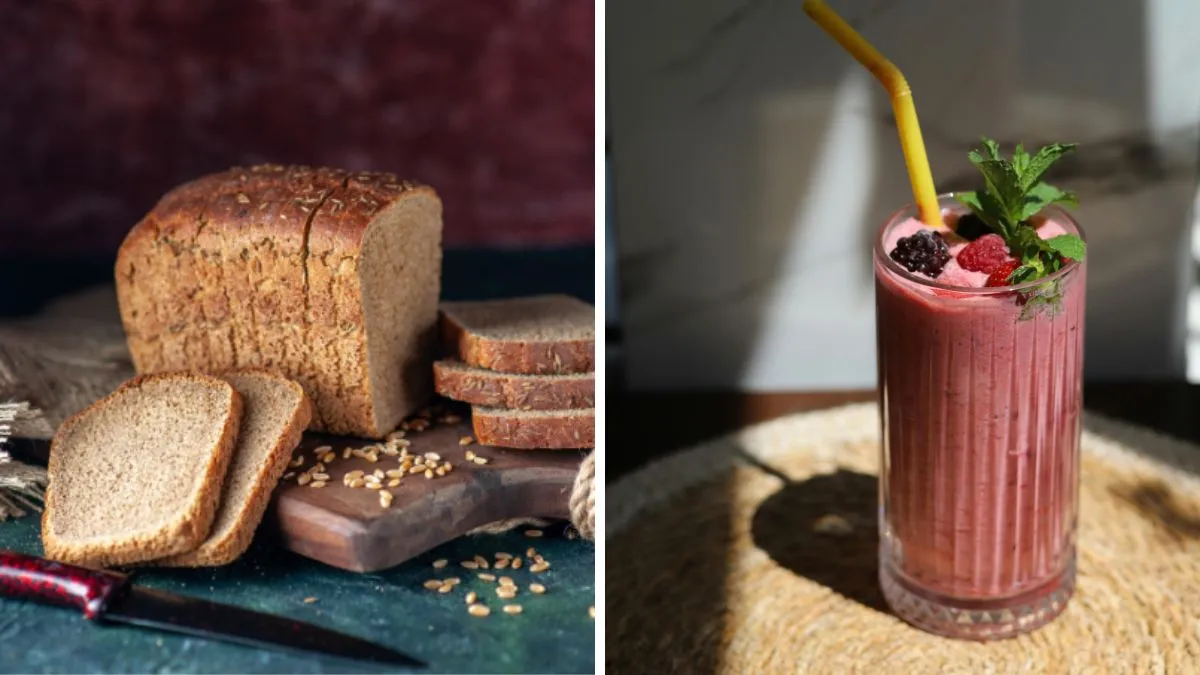
Every week, someone tries to “eat healthier”—switching to brown bread, starting their day with smoothies, and replacing snacks with granola.
Yet, despite these changes, their blood sugar levels continue to rise.
It feels confusing. But there’s a reason behind it.
“Much of what is marketed as ‘healthy’ today is essentially refined carbohydrates with a health halo,” says Dr. Gagandeep Singh, MBBS, Founder of Redial Clinic.
The Smoothie Illusion
A fruit smoothie appears to be the perfect breakfast—natural, vitamin-rich, and light.
But the way it’s consumed changes how the body processes it.
When fruits are blended:
- Their fibre structure is broken down
- Sugar becomes easier and faster to absorb
- The drink turns into a high-glycaemic load beverage
This relates to the concept of Glycaemic Index—how quickly a food raises blood glucose levels.
A smoothie made with bananas, mangoes, dates, and honey may seem wholesome but can spike blood sugar rapidly, especially when consumed on an empty stomach.
The Brown Bread Myth
Brown bread is often assumed to be healthier than white bread—but that’s not always true.
Many packaged “brown breads” are:
- Made from refined flour (maida)
- Coloured with caramel or molasses
- Low in actual whole grains
Even genuine whole wheat bread, once milled into fine flour, loses much of its structural integrity and can still behave like a quick-digesting carbohydrate.
“If ‘wheat flour’ appears before ‘whole wheat flour’ on the label, it’s essentially refined flour with colouring,” Dr. Singh explains.
Why Granola Isn’t Always Healthy
Granola carries a strong “health food” image, but its ingredient list often tells another story.
Typical granola includes:
- Oats baked with honey or syrup
- Jaggery or sugar
- Dried fruits
- Added oils
This combination makes it energy-dense and sugar-heavy, sometimes closer to a dessert than a balanced meal.
“A single serving can contain more sugar than expected, despite being marketed as nutritious,” says Dr. Singh.
Other ‘Healthy’ Foods That May Spike Sugar
The pattern extends beyond breakfast staples. Many foods with a healthy label can still trigger rapid sugar spikes:
- Flavoured yoghurt
- Packaged fruit juices (even “no added sugar”)
- Protein bars with dates or syrups
- Multigrain biscuits
- Excess honey
The real issue isn’t just sugar content—it’s how quickly the body absorbs it.
What Actually Works Better
Instead of relying on labels or trends, experts recommend focusing on metabolic response.
A more balanced approach includes:
1. Prioritise Protein
- Eggs
- Paneer
- Chicken or fish
Protein slows digestion and helps stabilise blood sugar.
2. Add Healthy Fats
- Ghee
- Butter
- Olive oil
Fats reduce the speed of glucose absorption.
3. Choose Whole Over Processed
- Eat whole fruits instead of smoothies
- Prefer minimally processed foods
4. Time Your Meals Wisely
Eating fruits after meals rather than on an empty stomach can reduce sudden spikes.
The Science Behind It
Blood sugar spikes are closely linked to conditions like Insulin Resistance and Type 2 Diabetes. Repeated spikes over time can strain the body’s ability to regulate glucose effectively.
That’s why even “healthy-looking” foods can become problematic if they are:
- Highly processed
- Low in fibre
- High in rapidly absorbable sugars
The Bottom Line
Not everything labelled healthy works the same way inside your body.
“The label is marketing. The blood sugar response is physiological,” Dr. Singh explains.
The real shift happens when you move beyond trends and start understanding how your body actually responds to food.
Because sometimes, the foods you trust the most are the ones quietly working against you.
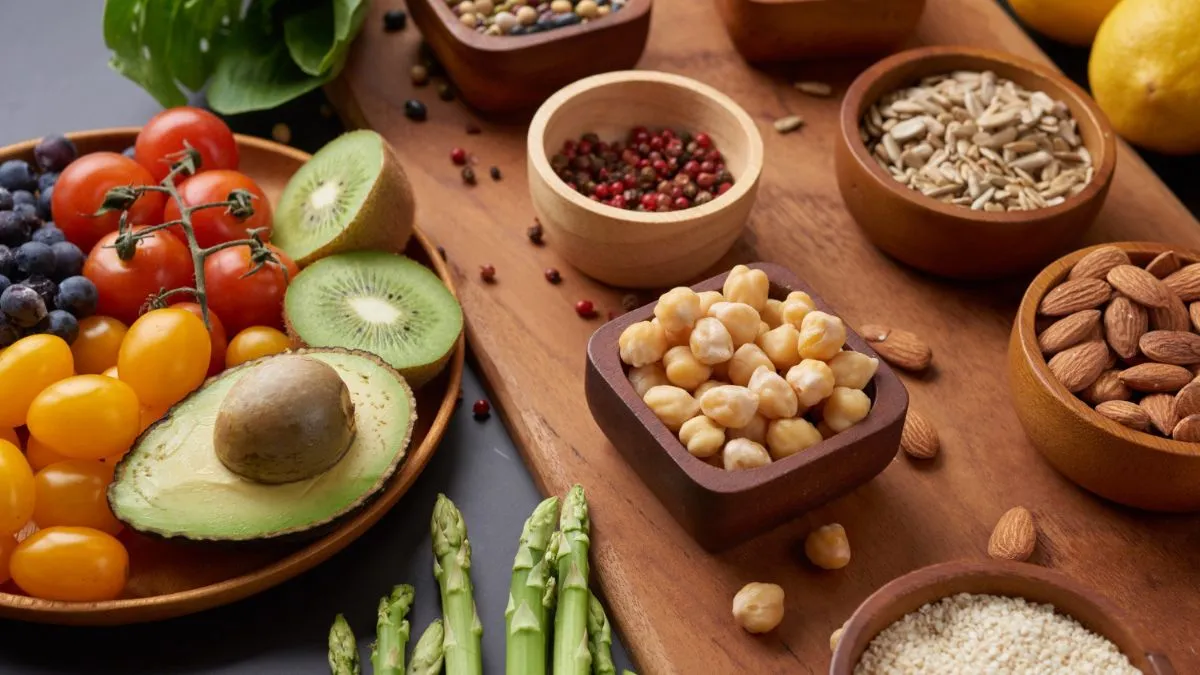
Protein may be dominating today’s nutrition trends, but there’s another essential nutrient quietly falling behind—fibre. While high-protein diets are widely promoted for weight loss and muscle gain, experts warn that ignoring fibre can lead to long-term health issues.
According to Dr Jeremy London, a board-certified heart surgeon with over 25 years of experience, most people are not meeting their daily fibre requirements—something that can impact digestion, heart health, and blood sugar levels.
🥗 The Fibre Gap Most People Ignore
Modern diets often prioritise protein while overlooking fibre-rich foods like whole grains, fruits, and legumes.
Dr London explains:
Recommended Daily Fibre Intake:
- Women: ~25 grams
- Men: ~38 grams
This shortfall—often called the “fibre gap”—can gradually affect overall health if not addressed.
🍽️ Easy High-Fibre Meals You Can Add Today
The good news? Increasing fibre doesn’t require drastic changes. Simple, everyday foods can make a big difference.
🌅 Breakfast Ideas
- Oatmeal combo:
Rolled oats (½ cup dry) + 1 cup raspberries + 1 ounce almonds
→ ~15.5g fibre - Fruit & seed mix:
1 medium pear + 2 tbsp flaxseeds + yoghurt
→ ~10–12g fibre
🍛 Lunch & Dinner Options
- Lentils (½ cup cooked): ~7.8g fibre
- Black beans (½ cup cooked): ~7.5g fibre
- Balanced plate:
1 medium sweet potato (with skin) + 1 cup broccoli
→ ~9–10g fibre
These are simple additions—not restrictive diets—making them easy to maintain long-term.
❤️ Why Fibre Matters More Than You Think
Fibre is not just about digestion—it plays a critical role in overall health:
- Helps stabilise blood sugar levels
- Supports cholesterol control
- Improves gut microbiome health
- Aids in weight management and satiety
As Dr London puts it:
⚖️ The Bottom Line
While protein remains important, a balanced diet must include adequate fibre. Ignoring it could mean missing out on key health benefits that go far beyond digestion.
Adding a few fibre-rich foods to your daily meals is a simple, effective step toward better long-term health—no extreme diets required.


⚽ Kolkata Derby Could Decide ISL 2026 Title Race as Five Clubs Wait on Crucial Weekend

Kerala CM Race Intensifies: Posters in Wayanad Target Rahul Gandhi and Priyanka Gandhi Vadra Amid KC Venugopal Speculation

‘Last Plate Syndrome’: Why Many Mothers Eat Last and How It Quietly Affects Their Health

Delhi Police SI Neetu Bisht Caught Taking ₹20 Lakh Bribe – Shocking Details Emerge in Corruption Probe

Ex-Cricketer Shikhar Dhawan Buys Ultra-Luxury Apartment Worth ₹69 Crore in Gurugram

Telegram Channels Disseminating Pro‑Russian Propaganda in Poland
-
 Crime & Investigation1 year ago
Delhi Police SI Neetu Bisht Caught Taking ₹20 Lakh Bribe – Shocking Details Emerge in Corruption Probe
-
 Celebrity Lifestyle1 year ago
Ex-Cricketer Shikhar Dhawan Buys Ultra-Luxury Apartment Worth ₹69 Crore in Gurugram
-
 Glamour & Entertainment1 year ago
Telegram Channels Disseminating Pro‑Russian Propaganda in Poland
-

 Bollywood1 year ago
No ₹3 Lakh Fine or 2-Year Jail: The Truth Behind the ‘Hakla’ GIF Buzz
-

 Travel & Adventure1 year ago
Best Places to Hangout in Delhi (2025): Top 10 Picks for Fun & Chill
-

 Beauty1 year ago
Top 10 Skincare Brands in India Loved by Dermatologists (2025 Update)
-

 Business1 year ago
Amazon sets 30‑day relocation deadline for corporate staff—opt out by resigning in 60 days
-

 Education1 year ago
NEET UG Controversy Explained: Paper Leak, Impersonations & Ongoing Probe