
Health & Wellness
Why Eating Late at Night or Skipping Breakfast Could Harm Your Health

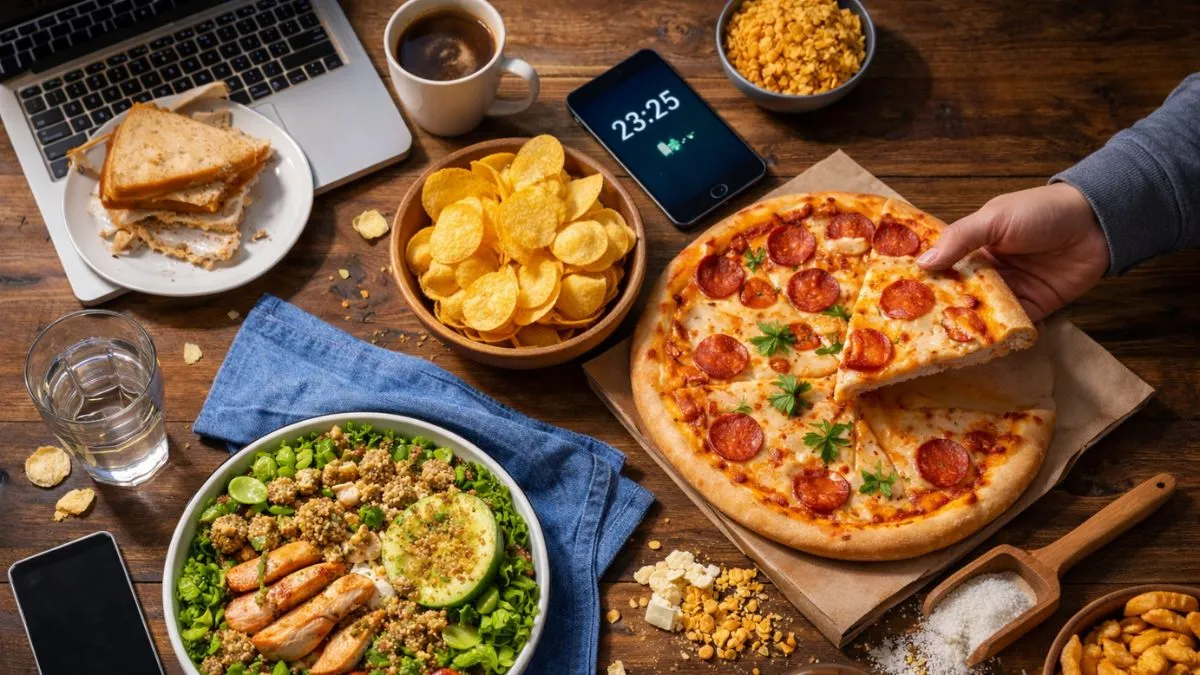
In today’s fast-paced lifestyle, irregular eating habits have become common. Skipping breakfast, delaying meals, and eating late at night may seem harmless—but over time, these patterns can disrupt your metabolism and overall health.
According to Aditi Prasad Apte, maintaining consistent meal timing is just as important as eating the right foods.
⏰ The Hidden Impact of Skipping Meals
Skipping meals—especially breakfast—can throw your body off balance.
When you skip meals:
- Blood sugar levels drop initially
- Hunger hormones increase
- You’re more likely to overeat later
This cycle can lead to spikes and crashes in blood sugar, increasing the risk of:
- Insulin resistance
- Weight gain
- Type 2 diabetes
🌙 What Happens When You Eat Late at Night
Eating late—particularly heavy meals—can negatively impact how your body processes food.
At night:
- Metabolism naturally slows down
- The body becomes less efficient at processing glucose and fats
As a result:
- Calories are more likely to be stored as fat
- Risk of obesity and metabolic disorders increases
Late-night eating is also linked to metabolic syndrome, a condition that raises the risk of heart disease and diabetes.
😴 Sleep Disruption & Hormonal Imbalance
Eating late doesn’t just affect digestion—it can also disturb your sleep cycle.
Heavy meals before bed can:
- Reduce sleep quality
- Interfere with digestion
- Disrupt hunger hormones like:
- Ghrelin (hunger hormone)
- Leptin (satiety hormone)
This imbalance may leave you:
- Feeling tired in the morning
- Hungrier throughout the day
- Stuck in a cycle of overeating
🦠 Impact on Gut Health
Irregular eating patterns can disturb your gut health by affecting the balance of gut microbiota.
This may lead to:
- Bloating
- Digestive discomfort
- Increased inflammation
Over time, poor gut health can contribute to broader metabolic issues.
🍽️ Why Meal Timing Matters
While food quality is important, meal timing plays a crucial role in maintaining:
- Stable energy levels
- Healthy metabolism
- Hormonal balance
Your body functions best when it follows a consistent rhythm.
✅ Simple Habits for Better Health
To improve your eating pattern:
- Don’t skip breakfast regularly
- Maintain consistent meal timings
- Avoid heavy meals late at night
- Space meals evenly throughout the day
As Aditi Prasad Apte notes, regular meal timing is a foundational step in preventing long-term metabolic disorders.
🏁 Final Take
Irregular eating habits may seem minor, but they can have a major impact on your metabolism, hormones, and overall health.
Instead of focusing only on what you eat, pay attention to when you eat. Sometimes, improving your health doesn’t require a strict diet—just better timing and consistency.











On World Health Day, conversations around health often focus on big lifestyle changes. But when it comes to gut health, it’s the small, everyday habits that quietly cause the most damage.
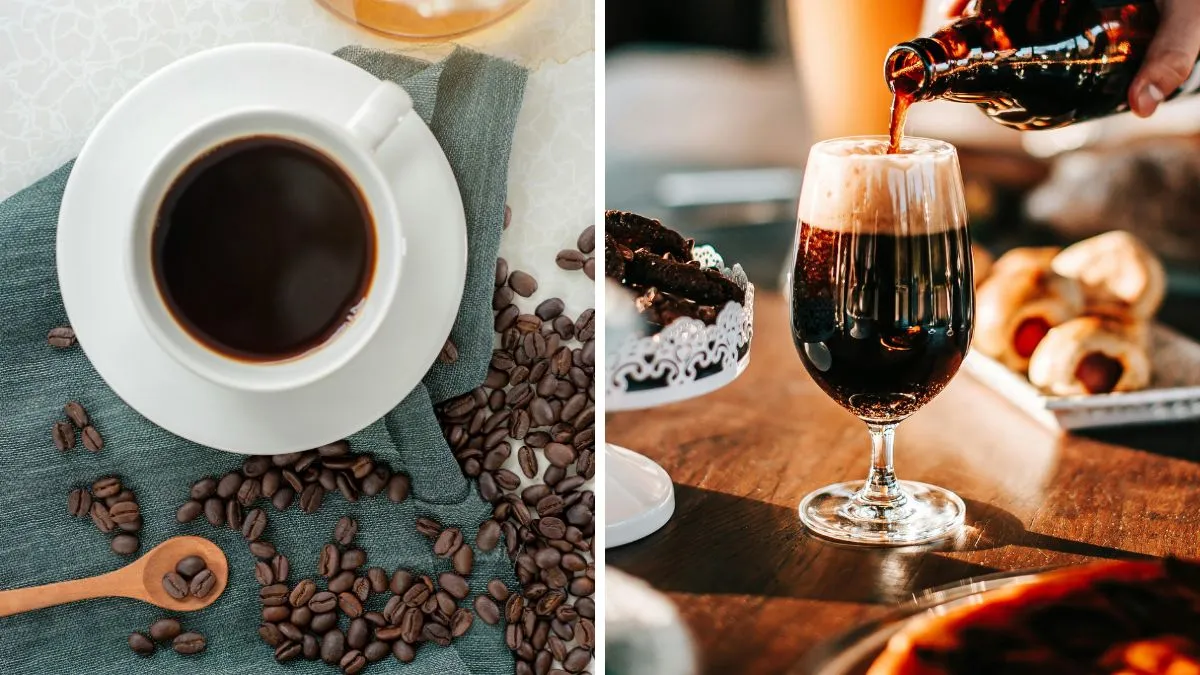
According to Dr Sandeep Kulkarni, common routines like excessive caffeine intake, alcohol consumption, irregular meals, and poor sleep can significantly impact the digestive system over time.
🧬 Why Gut Health Matters More Than You Think
Your digestive system does more than just process food. It plays a crucial role in:
- Nutrient absorption
- Immunity
- Hormonal balance
- Overall well-being
The gut is highly sensitive to lifestyle changes, and even minor imbalances can lead to discomfort and long-term health issues.
🍷 Alcohol: A Major Threat to Digestive Health
Alcohol is one of the biggest contributors to gut-related problems.
Regular or excessive consumption can lead to:
- Inflammation of the stomach lining
- Disruption of gut bacteria
- Increased acid production
Over time, this may result in serious conditions like:
- gastritis
- liver cirrhosis
- pancreatitis
☕ Is Too Much Coffee Harming Your Gut?
Coffee is a daily essential for many—but too much of it can be problematic.
Excess caffeine can:
- Increase gastric acid production
- Trigger acid reflux
- Disrupt bowel movements
It may also contribute to gastroesophageal reflux disease (GERD), causing symptoms like:
- Heartburn
- Bloating
- Discomfort
⚠️ The Bigger Problem: Your Lifestyle
Focusing on a single habit—like coffee or alcohol—doesn’t tell the full story.
The real issue lies in a combination of unhealthy patterns, such as:
- Irregular meal timings
- Chronic stress
- Lack of sleep
- Skipping meals
- Over-reliance on stimulants
Together, these habits put continuous strain on your digestive system.
🦠 Why Your Gut Feels the Impact First
The gut is one of the most sensitive systems in the body. When exposed to repeated stressors, it reacts quickly.
Common signs of poor gut health include:
- Acidity
- Bloating
- Indigestion
- Irregular bowel movements
If ignored, these issues can progress into more serious digestive disorders.
🌿 Simple Habits to Protect Your Gut
Improving gut health doesn’t require drastic changes—small adjustments can make a big difference:
- Limit alcohol consumption
- Reduce excessive caffeine intake
- Eat meals at regular intervals
- Stay hydrated
- Prioritise sleep and stress management

such as sleep quality, stress management, and consistent eating patterns also influence metabolic balance.
Rethinking What “Healthy” Really Means
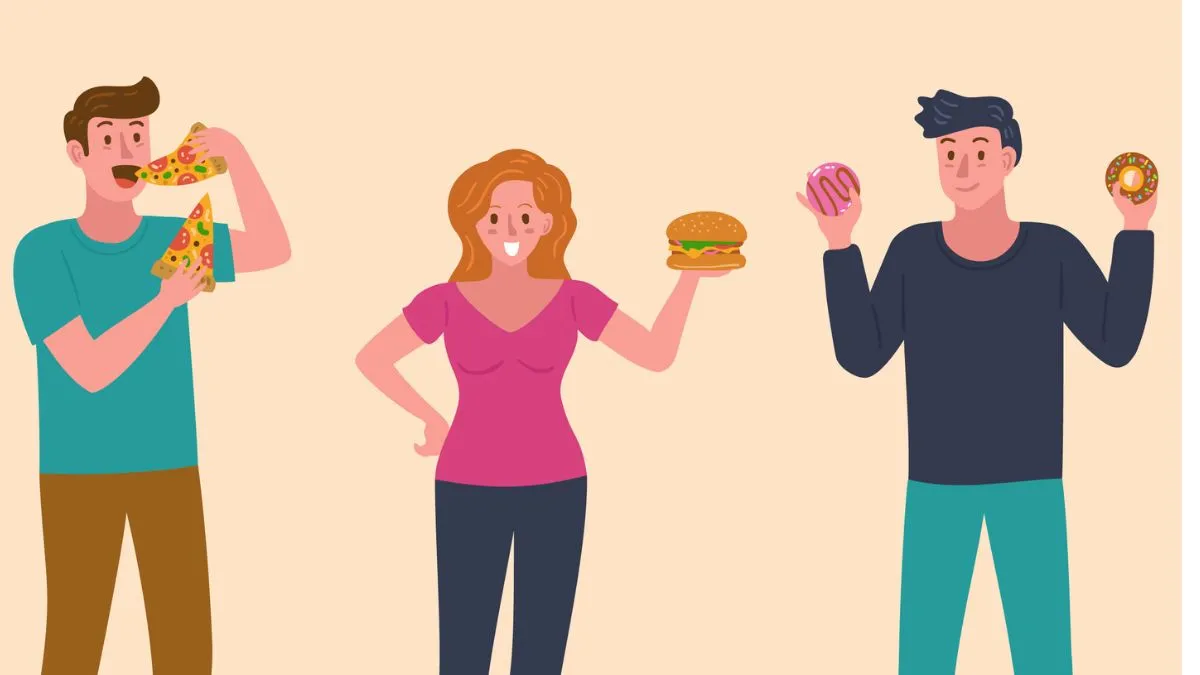
Experts increasingly stress that health cannot be judged purely by appearance. A person may appear slim but still have underlying metabolic risks.
“True health is about how efficiently the body processes food, regulates energy, and responds to stress,” Dr Bhandary says.
Rather than focusing only on body weight, experts recommend adopting a holistic approach to health, which includes balanced nutrition, regular physical activity, good sleep, and routine health check-ups.
“Real prevention is not about trying to be thin,” Dr Bhandary concludes. “It is about building a lifestyle that supports the body’s internal balance and long-term wellbeing.”
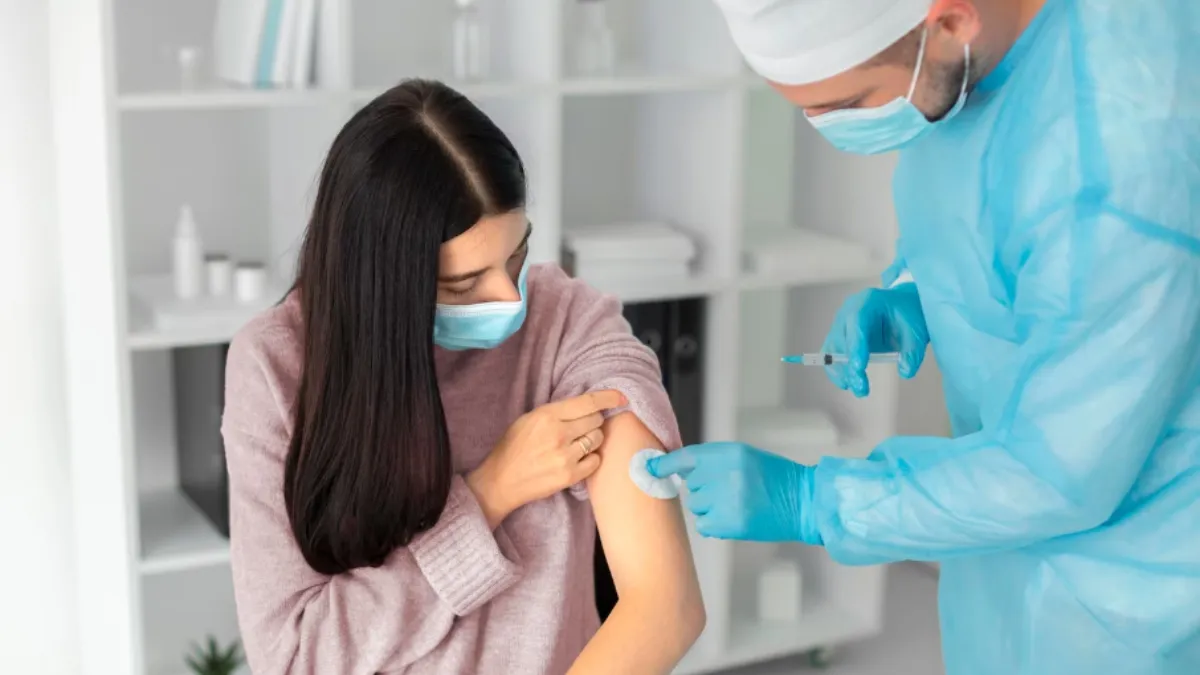
Getting vaccinated against the Human Papillomavirus (HPV) is a crucial step in protecting both girls and boys from HPV-related infections and cancers, including cervical, anal, and throat cancers. While the HPV vaccine is proven to be safe and effective, following simple aftercare measures can help reduce discomfort and ensure a smooth recovery.
Doctors recommend HPV vaccination for children, adolescents, and young adults, and in certain cases, for older age groups as well. Parents are advised to vaccinate their children as per medical guidance to ensure long-term protection.
According to Dr Pratima Thamke, Consultant Obstetrician and Gynaecologist at Motherhood Hospital, Kharghar, Mumbai, proper aftercare plays an important role in managing mild side effects and supporting the body’s immune response after vaccination.
What to Expect After the HPV Vaccine
Most people experience mild and temporary side effects, which usually resolve within 2–3 days. These reactions are a normal sign that the body is building protection against the virus.
Common post-vaccination effects include:
- Pain, redness, or swelling at the injection site
- Mild fever
- Headache or fatigue
- Dizziness or lightheadedness
- Body aches
Teenagers, in particular, may feel faint shortly after the injection, which is why monitoring is essential.
HPV Vaccine Aftercare: Do’s
✔ Stay at the clinic for 15–30 minutes after vaccination to monitor for rare allergic reactions or fainting episodes.
✔ Sit or lie down if feeling dizzy, especially in adolescents, to prevent falls or injuries.
✔ Apply a clean, cool compress to the injection site to reduce pain and swelling.
✔ Move the arm gently instead of keeping it completely still to ease stiffness.
✔ Drink plenty of fluids, including water, soups, and electrolyte drinks, to stay hydrated.
✔ Get adequate rest, allowing the body to recover and respond effectively to the vaccine.
✔ Take medication for pain or fever only if prescribed by a doctor.
✔ Eat a light meal before vaccination, especially for children, to reduce the risk of dizziness.
HPV Vaccine Aftercare: Don’ts
✘ Avoid massaging or rubbing the injection site for at least 24 hours, even if soreness is present.
✘ Do not engage in strenuous physical activity or intense workouts for a day or two after vaccination.
✘ Avoid smoking and alcohol consumption, as they may interfere with recovery and immune response.
✘ Do not self-medicate without medical advice, as improper medication use can be harmful.
✘ Avoid heavy or oily meals, particularly for children and teenagers, immediately after vaccination.
Special Precautions to Keep in Mind
- Contact a doctor immediately if there is a high fever lasting more than 48 hours, severe swelling or redness, intense pain at the injection site, breathing difficulty, or rash.
- Pregnant women should inform their doctor before receiving the HPV vaccine and strictly follow medical guidance.
- If a dose is missed, the vaccination series does not need to be restarted—the remaining dose can be taken as advised by the healthcare provider.
- Completing the full vaccine schedule is essential for maximum protection.
Why HPV Vaccine Aftercare Matters
Proper aftercare helps minimize discomfort, supports the immune system, and ensures the vaccine works effectively. With adequate rest, hydration, and monitoring of mild side effects, most people recover quickly and resume normal daily activities within a short time.
The HPV vaccine remains a critical preventive measure for long-term health. Clearing doubts with a qualified medical expert helps individuals and parents make informed decisions and approach vaccination with confidence.
Disclaimer
The information provided in this article is for general awareness only and should not be considered professional medical advice. Always consult a doctor or qualified healthcare provider for personalized guidance regarding vaccination, side effects, or health concerns.


Zareen Khan’s Mother Parveen Khan Passes Away After Prolonged Illness in Mumbai

Prabhas Reviews Biker: ‘Enjoyed It from Start to End’

Sunil Gavaskar Slams Overseas Players Over IPL 2026 Availability, Questions Commitment

Ex-Cricketer Shikhar Dhawan Buys Ultra-Luxury Apartment Worth ₹69 Crore in Gurugram

Delhi Police SI Neetu Bisht Caught Taking ₹20 Lakh Bribe – Shocking Details Emerge in Corruption Probe

Telegram Channels Disseminating Pro‑Russian Propaganda in Poland
-
 Celebrity Lifestyle11 months ago
Ex-Cricketer Shikhar Dhawan Buys Ultra-Luxury Apartment Worth ₹69 Crore in Gurugram
-
 Crime & Investigation8 months ago
Delhi Police SI Neetu Bisht Caught Taking ₹20 Lakh Bribe – Shocking Details Emerge in Corruption Probe
-
 Glamour & Entertainment10 months ago
Telegram Channels Disseminating Pro‑Russian Propaganda in Poland
-

 Bollywood8 months ago
No ₹3 Lakh Fine or 2-Year Jail: The Truth Behind the ‘Hakla’ GIF Buzz
-

 Entertainment10 months ago
Abhijeet & Dr Tarika Reunite in CID 2 — Fans Say ‘Clear the Misunderstanding Now
-

 Business10 months ago
Amazon sets 30‑day relocation deadline for corporate staff—opt out by resigning in 60 days
-

 Travel & Adventure10 months ago
Best Places to Hangout in Delhi (2025): Top 10 Picks for Fun & Chill
-

 Economy & Business10 months ago
📈 Indian Stock Market Soars in June 2025 Amid RBI Rate Cut and Foreign Investment Boost