News
Delhi Police Busts ISI Spy Module: Nepali Man Held for Sending Indian SIM Cards to Pakistan
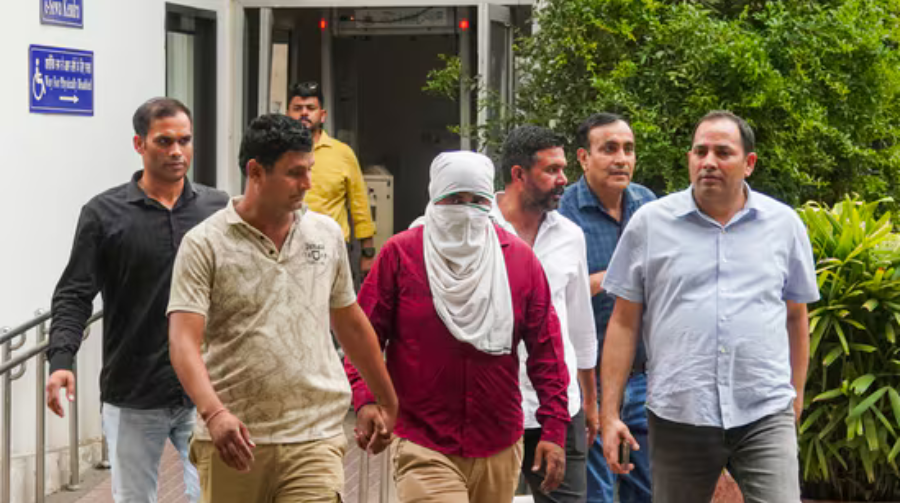
The Delhi Police Special Cell has busted a major espionage racket linked to Pakistan’s intelligence agency ISI and arrested a 43-year-old Nepali citizen, Prabhat Kumar Chaurasia, for supplying Indian SIM cards that were being used in Pakistan.
According to officials, Chaurasia had procured 16 Indian SIM cards (Airtel and Jio) using his Aadhaar card. Out of these, 11 SIM cards were traced as active on WhatsApp in Pakistan, in cities like Lahore and Bahawalpur. The SIM cards were smuggled through Nepal to ISI handlers, who used them to attempt contact with Indian Army officials.

Attempts to Extract Sensitive Defence Information
Police investigations revealed that Chaurasia had been in touch with ISI operatives since 2024. The Pakistani agency allegedly lured him with promises of a US visa and a career in journalism abroad in exchange for his services.
Through the WhatsApp accounts registered on these Indian SIMs, attempts were being made to extract sensitive defence-related information. Delhi Police has registered a case under sections 61(2)/152 of the BNS at the PS Special Cell and further interrogation of the accused is underway to uncover wider links.
Pakistan’s Continued Espionage Attempts
This case adds to a long list of espionage attempts by Pakistan that Indian security agencies have foiled over the years. By exploiting loopholes in telecom systems and targeting vulnerable individuals with financial or career incentives, ISI has repeatedly tried to infiltrate Indian defence communications.
Officials pointed out that routing SIM cards through Nepal is a known ISI tactic to bypass direct detection. The fresh module’s bust highlights how Pakistan continues to adopt underhanded methods to destabilise India and gather intelligence.

Timing Amid Strained India-Pakistan Relations
The incident comes against the backdrop of tense India-Pakistan ties, particularly after the recent Pahalgam terror attack, where India publicly exposed Pakistan’s role before the international community. This exposure has reportedly irked Islamabad, prompting renewed espionage efforts.
Indian agencies, however, remain vigilant. The arrest of Chaurasia and the exposure of this spy module is seen as a major success in neutralising Pakistan’s covert operations.

Significance of the Bust
- Prevented possible leaks of defence information.
- Exposed ISI’s recruitment tactics using false promises of foreign visas and careers.
- Highlighted the use of telecom loopholes (routing SIMs via Nepal).
- Strengthened India’s counter-espionage operations at a sensitive time in regional security.