
Travel & Adventure
Planning a Thailand Trip in 2025? Tourists May Get Free Domestic Flights Under New Subsidy Plan

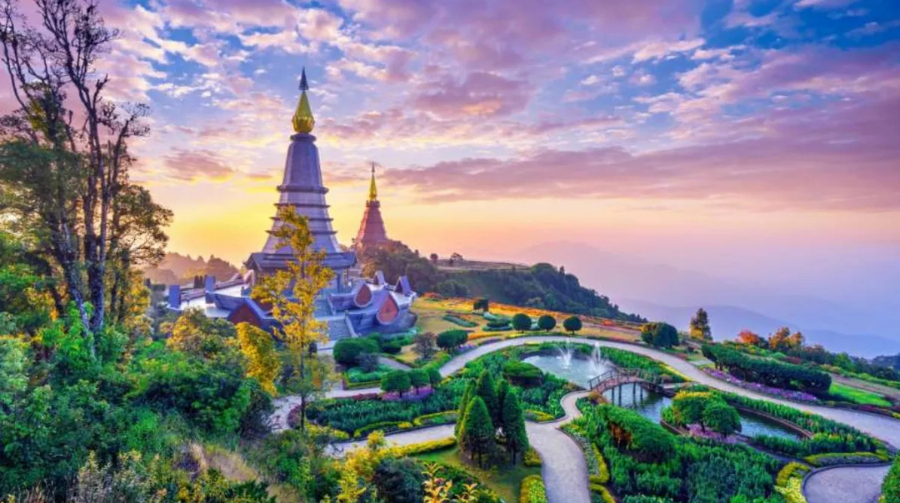
- /home/u299404478/domains/toplisted.in/public_html/wp-content/plugins/mvp-social-buttons/mvp-social-buttons.php on line 27
https://toplisted.in/wp-content/uploads/2025/08/1-48.png&description=Planning a Thailand Trip in 2025? Tourists May Get Free Domestic Flights Under New Subsidy Plan', 'pinterestShare', 'width=750,height=350'); return false;" title="Pin This Post">
- Share
- Tweet /home/u299404478/domains/toplisted.in/public_html/wp-content/plugins/mvp-social-buttons/mvp-social-buttons.php on line 72
https://toplisted.in/wp-content/uploads/2025/08/1-48.png&description=Planning a Thailand Trip in 2025? Tourists May Get Free Domestic Flights Under New Subsidy Plan', 'pinterestShare', 'width=750,height=350'); return false;" title="Pin This Post">
Thailand has long been a favorite among global travelers, and in 2025, the country is rolling out yet another tourist-friendly initiative. As part of a new subsidy plan worth 700 million Thai Baht, international visitors may soon enjoy free domestic flights across Thailand. The scheme aims to boost tourism in smaller towns and regional destinations, allowing travelers to explore beyond Bangkok, Phuket, and Chiang Mai.
Why Thailand is making travel easier for tourists
Thailand is already one of the most accessible destinations for Indian travelers, with visa-free entry for citizens of 93 countries including India. Recently, the government revamped visa rules to help long-term visitors and LTR (Long-Term Resident) permit holders maximize their stay. Now, the country wants to make domestic travel within Thailand cheaper and more convenient, encouraging tourists to explore cultural and heritage sites across the nation.
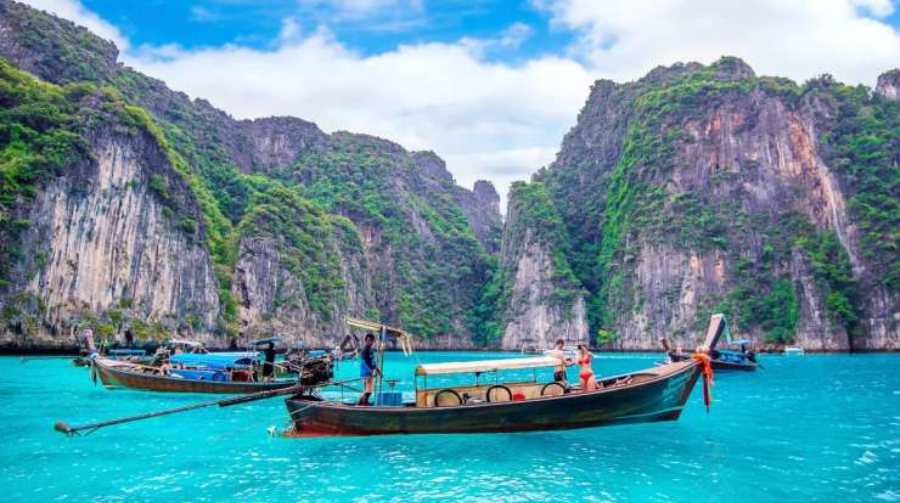
Sorawong Thienthong, Thailand’s Minister of Tourism and Sports, confirmed that the plan is part of the “Amazing Thailand Grand Tourism and Sports Year” campaign, designed to promote both tourism and cultural heritage.
Free domestic flights: How the scheme will work
- Funding: 700 million Baht allocated to subsidize tickets.
- Travel Period: Subsidy program runs from August to December 2025, with flights scheduled between September and November.
- Coverage: At least 200,000 foreign visitors are expected to benefit.
- Airlines Included: Six major carriers – Thai AirAsia, Bangkok Airways, Nok Air, Thai Airways International, Thai Lion Air, and Thai Vietjet.
Under the scheme, the government will subsidize 1,750 Baht (approx ₹4,000) for one-way tickets and 3,500 Baht (approx ₹8,000) for round trips. This means tourists will either fly for free or pay significantly reduced fares.
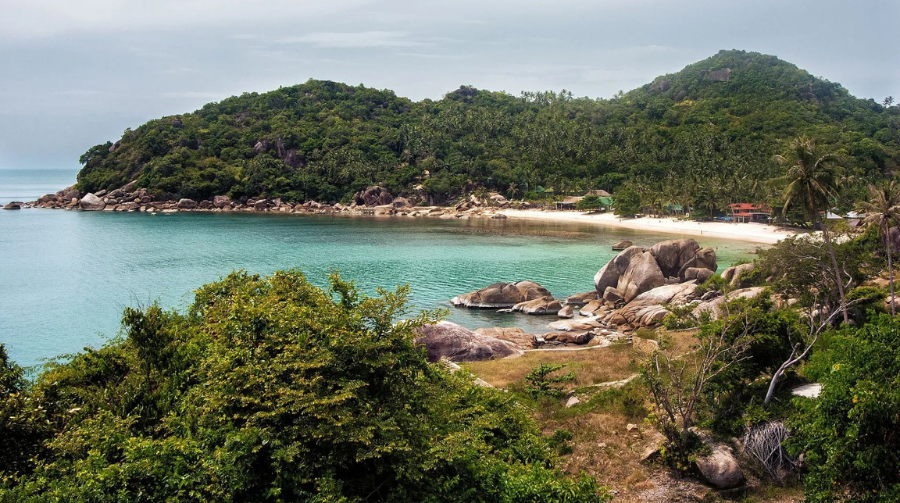
Focus on culture, heritage, and regional cities
The subsidy will encourage visitors to explore UNESCO-designated cities, regional tourist hubs, and hidden gems outside Thailand’s crowded hotspots. Famous cultural sites like Wat Pho in Bangkok (recently visited by PM Narendra Modi) will remain key attractions, but smaller cities will now get more global visibility. This approach mirrors Japan’s domestic travel campaigns, where foreign visitors are encouraged to move beyond metropolitan hubs.
Extra perks: Luggage and ticket benefits
Alongside free flights, travelers booking their international tickets to Thailand through airline websites, online travel agencies, or multi-city options will also receive:
- 20 kg free luggage allowance
- Two complimentary domestic flight tickets (or one one-way ticket, depending on the package)
This will make travel within Thailand far more economical for families and solo travelers alike.
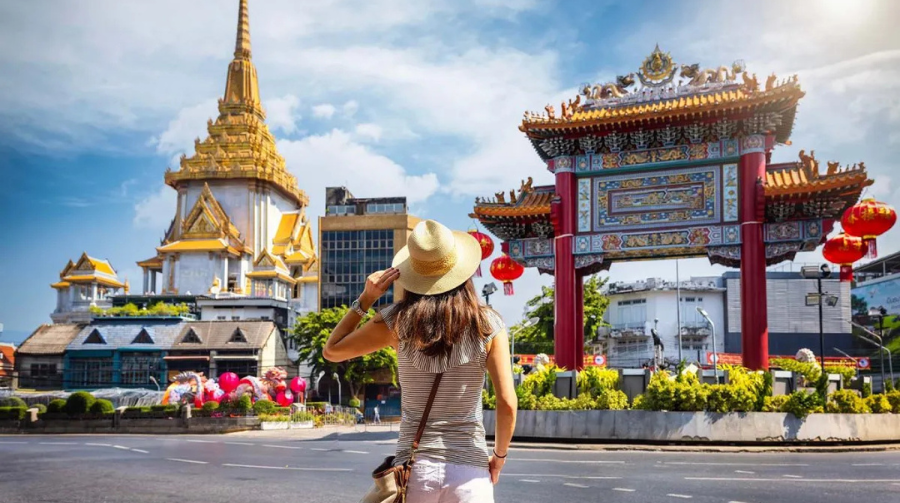
Economic impact and what’s next
The Thai government expects this initiative to significantly strengthen the economy by redirecting tourism away from just Bangkok and Phuket and creating revenue opportunities in less-explored destinations. The proposal is currently awaiting cabinet approval before being officially implemented.
If approved, the scheme will not only benefit tourists but also create growth opportunities for local businesses, airlines, and hospitality sectors in smaller cities, helping Thailand position itself as one of the most tourist-friendly destinations in Asia in 2025.
Travel & Adventure
Kamakhya Temple in Assam: Location, Timings, Significance, Distance & Online Booking Guide
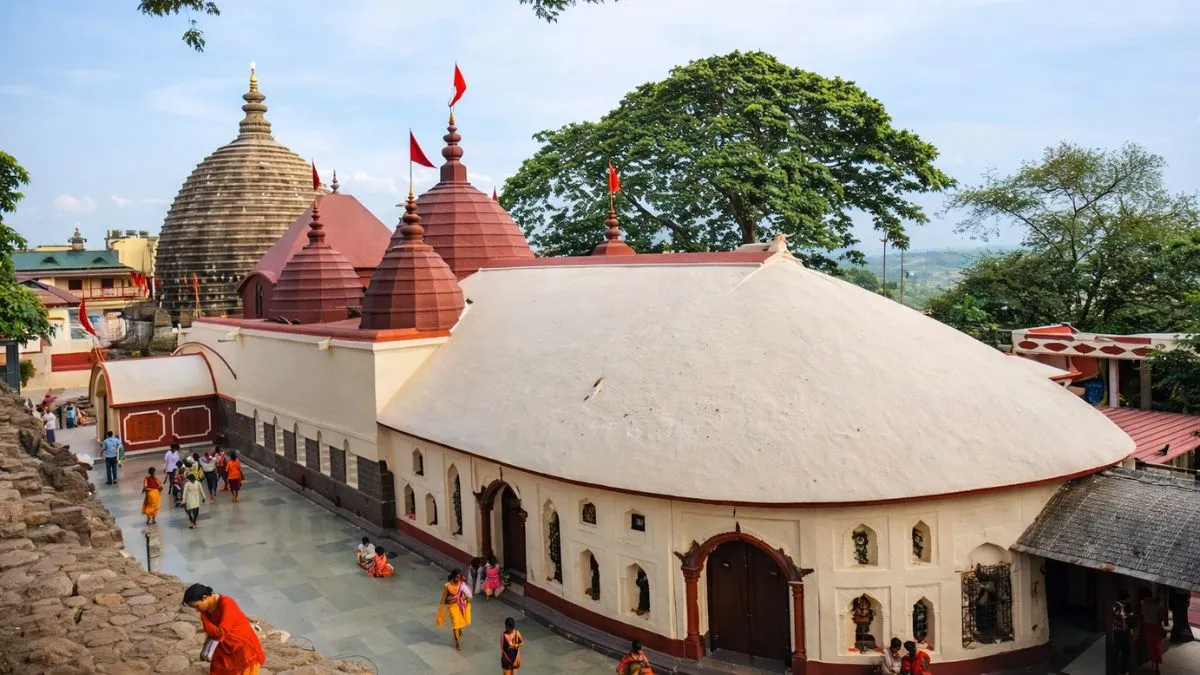
Perched atop the Nilachal Hill in Guwahati, Assam, Kamakhya Temple is not merely a place of worship—it is an experience steeped in mysticism, symbolism, and ancient spiritual tradition. One of the most revered Shakti Peeths in India, the temple draws devotees, spiritual seekers, and curious travellers from across the world.
Unlike conventional temples centred on idols, Kamakhya is rooted in symbolic worship of feminine creative energy, making it one of the most unique shrines in Hinduism.
Where is Kamakhya Temple located?
Kamakhya Temple is situated on Nilachal Hill, overlooking the majestic Brahmaputra River in Guwahati, Assam. Despite its serene hilltop setting, the temple remains well-connected to the city, offering both accessibility and a sense of seclusion from urban chaos.
Why Kamakhya Temple is one of the most powerful Shakti Peeths
Kamakhya is believed to be the site where the yoni (womb) of Goddess Sati fell after her body was dismembered by Lord Vishnu’s Sudarshan Chakra. This association makes the temple a profound centre of Shakti (divine feminine energy).
Instead of a traditional idol, devotees worship a naturally occurring yoni-shaped stone housed in a subterranean sanctum, symbolising creation, fertility, and the cyclical nature of life. The temple is deeply linked with Tantric practices, and many rituals here reflect ancient esoteric traditions.
Kamakhya Temple history and architecture
The original temple is believed to date back to ancient times but was reconstructed in the 16th century by Koch dynasty ruler King Naranarayan, after being destroyed during earlier invasions. Architecturally, it follows the Nilachal-style with a beehive-shaped shikhara, blending indigenous Assamese elements with medieval temple design.
Kamakhya Temple timings: Darshan & aarti schedule
- Opening time: Around 5:30 AM
- Closing time: Around 10:00 PM
- Darshan breaks: Afternoon closures for rituals
- Aartis: Morning and evening aartis are held daily
Timings may vary during festivals and special pujas.
Kamakhya Temple distance from key locations
- From Guwahati city centre: ~8 km
- From Guwahati Railway Station: ~7 km
- From Lokpriya Gopinath Bordoloi International Airport: ~20 km
Taxis, autos, and buses are easily available to reach the temple.
Kamakhya Temple online booking: Darshan, Puja & Prasad
Devotees can book:
- Special darshan
- Specific pujas
- Prasad offerings
through the official Kamakhya Temple website. Online booking is highly recommended during peak seasons and festivals to avoid long queues.
Darshan rules: Dress code & temple guidelines
- Modest and traditional attire is advised
- Mobile phones, cameras, leather items are prohibited
- Footwear must be removed before entering temple premises
- Photography inside the sanctum is strictly not allowed
Best time to visit Kamakhya Temple Assam
- Ideal months: October to March (pleasant weather)
- Major festival: Ambubachi Mela (June)
Ambubachi Mela significance
During Ambubachi Mela, the goddess is believed to undergo annual menstruation, symbolising fertility and regeneration. The temple remains closed for three days and reopens on the fourth day, attracting lakhs of devotees.
Nearby places to visit around Kamakhya Temple
- Umananda Temple
- Assam State Museum
- Brahmaputra River cruise
- Basistha Ashram
Final thoughts
Kamakhya Temple is not about hurried darshan or ritual checklists. It invites stillness, reflection, and surrender. Whether you visit as a devotee or a seeker, the energy of Nilachal Hill leaves a lasting impression—quiet, powerful, and deeply transformative.
Travel & Adventure
After 17 years, Ekambaranathar Temple in Kanchipuram witnesses Maha Kumbhabhishekam rituals
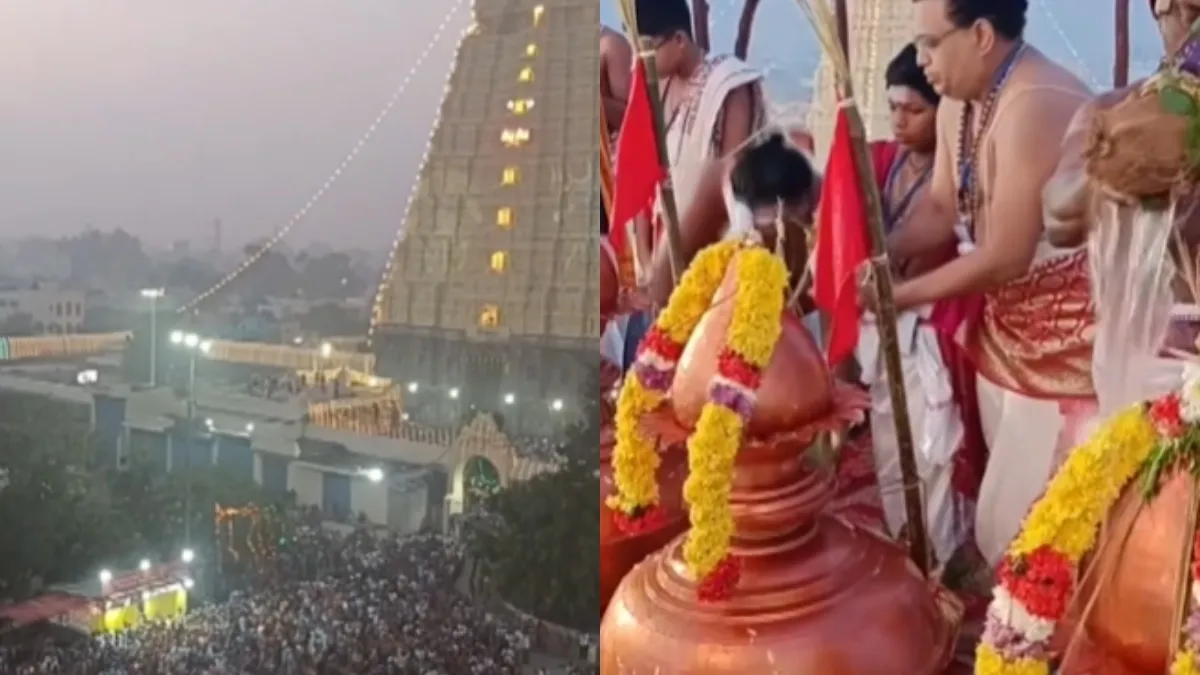
The iconic Ekambaranathar Temple in Kanchipuram witnessed its grand Maha Kumbhabhishekam on Monday, marking a historic moment after a gap of 17 years. Priests performed elaborate homams, consecration rites, and the final anointment of the temple towers, completing one of the most significant rituals in the Shaivite tradition.
Ekambaranathar Temple: A Sacred Landmark
Dedicated to Lord Shiva, Ekambaranathar Temple is one of the revered Pancha Bhootha Sthalams, representing the element Prithvi (earth). Known for its architectural marvels, towering gopurams, and deep-rooted spiritual heritage, the temple underwent an extensive restoration project worth ₹29 crore before the consecration.
The renovation was executed without altering the temple’s ancient heritage, ensuring that the centuries-old Dravidian architecture remains intact for future generations.
Consecration with Holy Waters from India’s Sacred Rivers
Ahead of the ceremony, holy water from several sacred rivers across the country was collected and placed in consecration pots (kalasams) at the Yagasala. These kalasams became the focal point of the rituals, with priests conducting hours of special homams and pujas to sanctify them.
The event follows the recent Maha Kumbhabhishekam of Sree Padmanabhaswamy Temple in Kerala earlier in June 2025.
Understanding Maha Kumbhabhishekam
The Maha Kumbhabhishekam is a sacred, elaborate ritual that revitalises a temple after major reconstruction or restoration. It is considered the moment when the temple is spiritually “reborn.”
It is not just a ceremony—it is a re-energising of divine presence, involving a series of rites rooted in Agamic and Vedic traditions.
1. Purification & Preparatory Rituals
The event begins with:
- Purification rituals
- Chanting of Vedas & Agamas
- Sanctification of herbs, water, and materials
- Creation of sacred kumbhas filled with holy water, sandalwood, herbs, and other auspicious elements
These pots serve as vessels for invoking cosmic divine energy.
2. Invoking Divine Presence
The next stage includes:
- Fire sacrifices (homas)
- Continuous chanting of mantras
- Invoking divine energy into the kumbhas
One of the key rituals is Kalakarshanam, in which the divine energy of the deity is symbolically drawn into the pots, especially when structural changes have occurred or idols have been shifted.
3. The Final Anointment — The Heart of Kumbhabhishekam
At the most auspicious moment, priests climb the temple towers and pour the sanctified water over:
- Kalasams (spires)
- Gopurams
- Domes
- Main sanctum (garbhagriha)
This ritual represents the infusion of divine life-force, marking the completion of the temple’s spiritual rejuvenation.
The ceremony draws thousands of devotees, who believe the moment brings immense spiritual merit and divine blessings.
Cultural and Spiritual Significance
Maha Kumbhabhishekam is celebrated with:
- Devotional music and cultural performances
- Massive public participation
- Special darshan arrangements
- Offerings and community feasts
For devotees, this event signifies renewal, purity, and the reconnection of the material world with cosmic divinity.
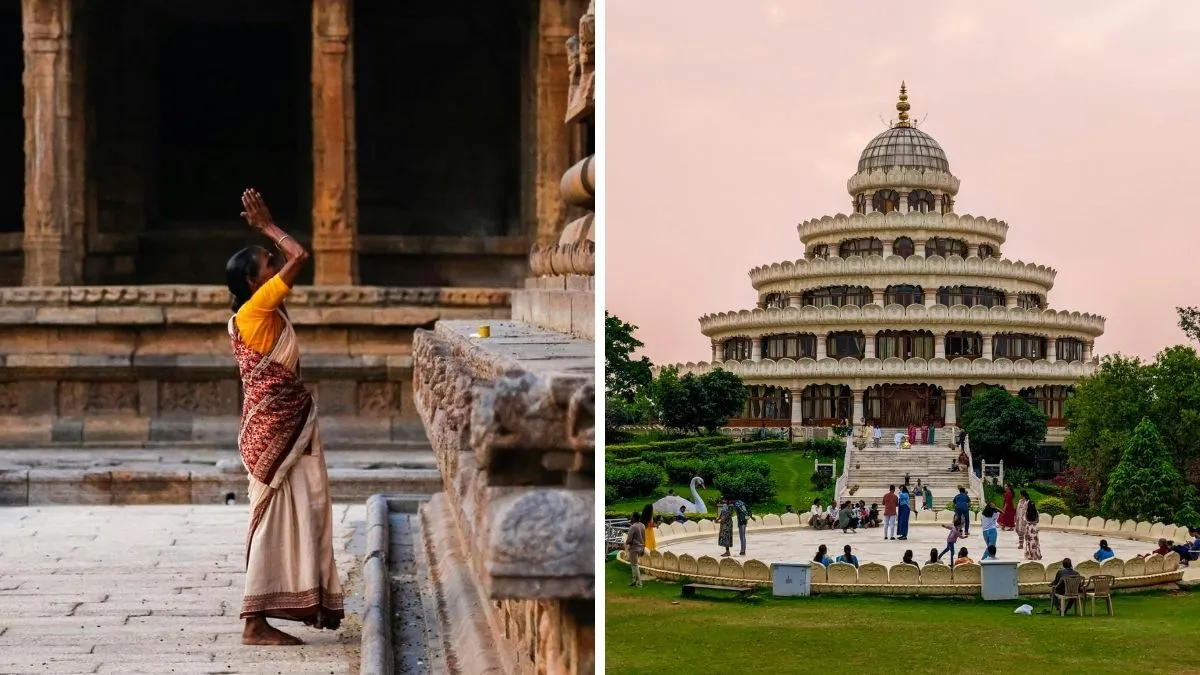
Discover a gentle, restorative side of the city through temples, ashrams, lakes, meditation centres, and timeless sacred spaces.
Bengaluru often moves at a pace that leaves little room to breathe. The hum of traffic, the deadlines, the rush of everyday life — they can feel overwhelming. Yet hidden within the city are sacred pockets of quiet: places where bells ring softly, chants linger in the air, and strangers sit together in silence without needing words. These corners remind us that peace is not distant; it only needs to be sought.
This 24-hour spiritual trail takes you through Bengaluru’s calmest, most reflective spaces — offering a full day to pause, reset, and rediscover stillness.
6:00 AM — Sunrise Walk & Meditation at Sankey Tank
Begin with the gentlest start.
As the sky warms with soft pinks, Sankey Tank offers a serene lakeside path perfect for slow walking or seated meditation. Joggers pass quietly, seniors chat softly, and the breeze feels like a whispered welcome. Find a bench, close your eyes, and let your breath settle with the morning light.
Why start here?
Water bodies naturally calm the mind; this is the ideal grounding before a full spiritual day.
7:30 AM — Immerse in Morning Aarti at ISKCON Temple, Rajajinagar
The ISKCON Temple envelops you in devotion the moment you walk in.
The rhythmic chanting, golden interiors, cymbals, and mridangam beats create an atmosphere that instantly soothes restless thoughts.
Take time to sit in the prayer hall. Let the vibrations wash over you.
Don’t miss: the warm prasadam — simple, comforting, and deeply grounding.
10:00 AM — Art of Living International Centre, Kanakapura Road
Drive toward Bengaluru’s edges, where the city slowly fades into lush hills.
The Art of Living Ashram spans acres of peaceful land, dotted with meditation halls, lotus ponds, and walking paths.
At the ashram, you can:
- Join a guided meditation
- Sit silently inside the magnificent Vishalakshi Mantap
- Walk around lotus-filled ponds
- Visit the serene Gyan Mandir or Radha Kunj
This space offers a rare opportunity to disconnect without effort.
1:00 PM — Satvik Lunch at Satvik Café (JP Nagar or Jayanagar)
After a morning of inner work, nourish your body with sattvic food — gentle, wholesome, and light.
Choose comforting dishes such as:
- Khichdi
- Fresh rotis and sabzi
- Millet-based meals
- Tulsi or chamomile herbal teas
A sattvic meal helps sustain your calm throughout the day.
3:00 PM — Step Into Silence at Jamia Masjid, City Market
Entering Bengaluru’s largest mosque feels like stepping into another world.
Outside, City Market is a whirlwind of voices and colours. Inside, the mosque radiates calm — white arches, wide courtyards, and soft murmurs of prayer.
Sit for a moment and notice how the contrast itself feels spiritual.
It is a reminder that peace can exist right beside chaos.
4:30 PM — A Pause in the Oldest Church: St. Mary’s Basilica
St. Mary’s Basilica carries centuries of history within its stained-glass windows and quiet pews.
Candles flicker, light filters through coloured glass, and the atmosphere feels like pure stillness. Just five minutes here can feel like a deep exhale.
Reflect, pray, or simply sit. This is one of Bengaluru’s most comforting havens.
6:00 PM — Sunset at Ragigudda Sri Prasanna Anjaneyaswamy Temple, JP Nagar
Climb the monolithic hill to reach this iconic temple.
As the sun sets, the entire temple glows with oil lamps and ringing bells. The view of the city below is breathtaking — a perfect moment to let go of the day’s weight.
7:30 PM — Classical Bengaluru Spirituality at Bull Temple, Basavanagudi
One of the oldest temples in the city, Bull Temple reverberates with timeless energy. The massive Nandi carved from a single stone, the smell of incense, the soft chorus of chants — all of it feels beautifully rooted in tradition.
Evenings here feel like stepping back into old Bengaluru, where spirituality was woven into everyday life.
9:00 PM — Night Meditation at Pyramid Valley
A short drive out of the city leads you to one of India’s largest meditation pyramids.
Inside, the acoustics and darkness deepen the meditative experience. You may feel your mind quiet down faster — the pyramid’s unique structure is designed to intensify inner focus.
This is one of the most powerful meditation spots around Bengaluru.
11:00 PM — Herbal Tea, Journaling & Reflection
Close your spiritual day gently.
Sip on tulsi or chamomile tea, settle into a quiet corner — maybe at home, maybe outdoors — and jot down what you noticed:
- Did your breathing slow?
- Did your thoughts soften?
- Did the city feel different today?
Look at the stars for a moment of gratitude and closure.
Why This 24-Hour Trail Matters
A day like this won’t transform your entire life, but it will create a shift — a softer mind, an open heart, and a quieter inner world. Bengaluru may run fast, but its soul remains deeply spiritual. Hidden among its markets, lakes, temples, churches, and masjids are places that help you return to yourself.
Peace doesn’t always require a long journey.
Sometimes, all it takes is one thoughtfully planned day.


⚽ Kolkata Derby Could Decide ISL 2026 Title Race as Five Clubs Wait on Crucial Weekend

Kerala CM Race Intensifies: Posters in Wayanad Target Rahul Gandhi and Priyanka Gandhi Vadra Amid KC Venugopal Speculation

‘Last Plate Syndrome’: Why Many Mothers Eat Last and How It Quietly Affects Their Health

Delhi Police SI Neetu Bisht Caught Taking ₹20 Lakh Bribe – Shocking Details Emerge in Corruption Probe

Ex-Cricketer Shikhar Dhawan Buys Ultra-Luxury Apartment Worth ₹69 Crore in Gurugram

Telegram Channels Disseminating Pro‑Russian Propaganda in Poland
-
 Crime & Investigation1 year ago
Delhi Police SI Neetu Bisht Caught Taking ₹20 Lakh Bribe – Shocking Details Emerge in Corruption Probe
-
 Celebrity Lifestyle1 year ago
Ex-Cricketer Shikhar Dhawan Buys Ultra-Luxury Apartment Worth ₹69 Crore in Gurugram
-
 Glamour & Entertainment1 year ago
Telegram Channels Disseminating Pro‑Russian Propaganda in Poland
-

 Bollywood1 year ago
No ₹3 Lakh Fine or 2-Year Jail: The Truth Behind the ‘Hakla’ GIF Buzz
-
 Travel & Adventure1 year ago
Best Places to Hangout in Delhi (2025): Top 10 Picks for Fun & Chill
-

 Beauty1 year ago
Top 10 Skincare Brands in India Loved by Dermatologists (2025 Update)
-

 Business1 year ago
Amazon sets 30‑day relocation deadline for corporate staff—opt out by resigning in 60 days
-

 Entertainment1 year ago
Abhijeet & Dr Tarika Reunite in CID 2 — Fans Say ‘Clear the Misunderstanding Now