
Ai
No Needles, No Pain! India Unveils Its First AI-Powered Blood Test with Just a Face Scan


- /home/u299404478/domains/toplisted.in/public_html/wp-content/plugins/mvp-social-buttons/mvp-social-buttons.php on line 27
https://toplisted.in/wp-content/uploads/2025/07/Toplisted-Image-size-64.png&description=No Needles, No Pain! India Unveils Its First AI-Powered Blood Test with Just a Face Scan', 'pinterestShare', 'width=750,height=350'); return false;" title="Pin This Post">
- Share
- Tweet /home/u299404478/domains/toplisted.in/public_html/wp-content/plugins/mvp-social-buttons/mvp-social-buttons.php on line 72
https://toplisted.in/wp-content/uploads/2025/07/Toplisted-Image-size-64.png&description=No Needles, No Pain! India Unveils Its First AI-Powered Blood Test with Just a Face Scan', 'pinterestShare', 'width=750,height=350'); return false;" title="Pin This Post">
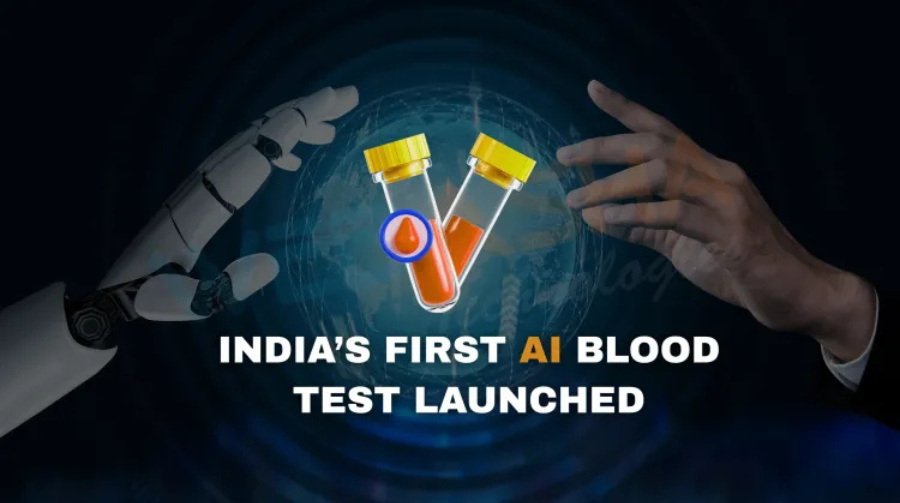
In a world-first for India, scientists and startups have introduced a futuristic blood testing method that completely eliminates the need for needles. You can now get a detailed health check-up by simply looking into a camera — no pain, no fear, no blood.
This new system is designed to make diagnostics quicker, more accessible, and completely non-invasive, marking a major milestone in healthcare technology.
How Does It Work?
The technology combines artificial intelligence (AI), computer vision, and advanced algorithms to analyze your facial features.
Here’s how it works in simple steps:
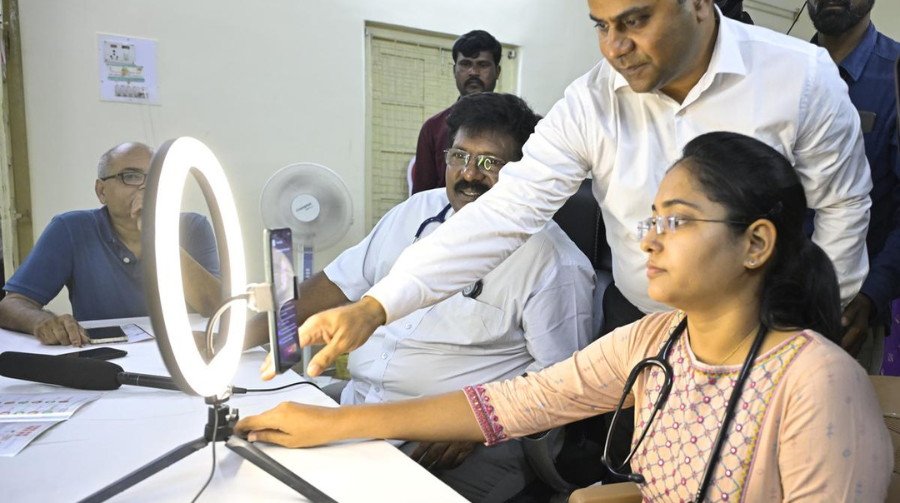
- You sit in front of a camera and look at it steadily for 30 to 60 seconds.
- The AI scans your facial micro-expressions, blood flow patterns, and subtle skin color changes.
- The system uses huge datasets from previous clinical studies to predict various blood and health markers.
This type of “video-based vital signs monitoring” has been in research globally, but India’s launch is among the first to reach a public pilot stage.
The Science Behind Face-Based Diagnostics
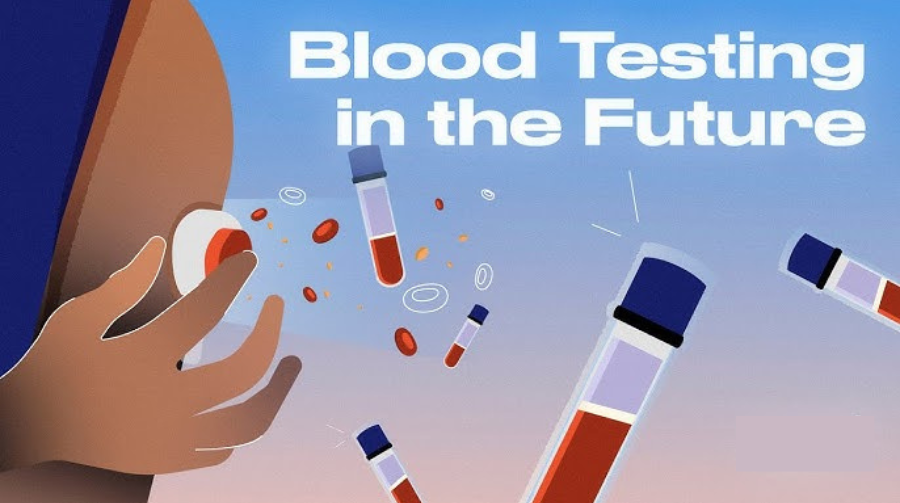
Our skin, especially on the face, reflects a lot of information about our internal health.
- Microvascular changes: Subtle changes in blood vessels under the skin indicate blood circulation quality.
- Skin color variations: Changes in skin tone can signal oxygen levels, anemia, or blood sugar fluctuations.
- Facial thermal patterns: Useful for detecting fever and inflammation markers.
When these are combined with AI’s data-processing power, they can replicate the information you’d normally get from a blood sample.

What Health Markers Can It Detect?
As of now, this AI-based scan can estimate:
- Blood glucose (sugar) levels
- Hemoglobin (anemia risk)
- Oxygen saturation (SpO2)
- Blood pressure and pulse rate
- Cholesterol trends
- Signs of dehydration
Future updates may allow detection of more complex markers like thyroid hormone levels, vitamin deficiencies, and infection indicators.
Who Is Behind This Innovation?
This breakthrough comes from a collaboration between:
- A Bengaluru-based AI health-tech startup
- Top-tier Indian research institutes
- Medical universities specializing in non-invasive diagnostics
The project has been in development for over five years and has involved testing with thousands of patient data points to improve accuracy.
How Accurate and Reliable Is It?
Preliminary studies show high accuracy, with over 85% correlation to traditional blood tests for common markers like glucose and hemoglobin.
However, experts emphasize that it should be used as a screening tool, not a complete replacement for lab blood tests — at least for now.
Impact on India’s Healthcare System
India faces a unique healthcare crisis:
- Huge patient-to-doctor ratio
- Limited diagnostic facilities in rural areas
- High levels of diabetes, hypertension, and heart disease
This new technology could:
- Enable mass community screenings in villages and remote towns
- Reduce the burden on diagnostic labs and hospitals
- Empower people to monitor their health more frequently at home or in local clinics
- Encourage preventive healthcare instead of reactive treatment
Global Potential and Future Use Cases
Globally, non-invasive health monitoring is an emerging trend. Countries like the US, Japan, and China are exploring similar technologies but are still largely in lab stages.
India’s move to pilot it publicly puts the country on the global innovation map and could lead to:
- Partnerships with wearable tech companies
- Integration into smartphones and telehealth apps
- Possible export of this technology to other countries
H2: Expert Opinions and Public Reaction
Expert Views
Medical experts are cautiously optimistic. Dr. Anil Kapoor, a preventive medicine specialist, says: This technology has the potential to transform how we do mass health screening. But it should be regulated and validated continuously
Public Reaction
On social media, excitement is off the charts. Comments like:
- “Finally, no more fear of needles!”
- “I want this in my village clinic!”
- “Technology that truly saves lives.”
The younger generation, who are already comfortable with tech and face recognition, see this as a big win for the future of health monitoring.
Possible Limitations and Challenges
Despite its promise, some challenges remain:
- May not fully replace traditional blood tests for complex diagnostics
- Needs stable lighting and camera quality for accurate readings
- Privacy and data security concerns
- Potential initial high costs for advanced AI systems
The government and developers are working to address these through guidelines and phased rollouts.
What’s Next for Non-Invasive Health Tech?
The future roadmap includes:
- Expanded biomarker detection (vitamin D, thyroid, liver function)
- Home-based devices or mobile app integrations
- AI updates using ongoing data to improve accuracy
- Lowering costs to make it accessible to rural and low-income communities
If successful, India might soon lead the global movement toward completely needle-free, painless, and democratized healthcare.


India has introduced a sweeping regulatory framework for the online gaming sector, with the Promotion and Regulation of Online Gaming Rules, 2026 coming into effect from May 1. The rules operate under the Promotion and Regulation of Online Gaming Act, 2025 and aim to create a safer, more transparent gaming ecosystem.
The move comes as India’s gaming industry continues to expand rapidly, prompting the government to balance innovation with user protection.
🎮 Focus on safe and responsible gaming
The new rules place strong emphasis on user safety, particularly for minors.
Gaming platforms are now required to implement:
- Age verification systems
- Parental controls
- Time limits for gameplay
- Self-exclusion options
- User reporting and grievance mechanisms
- Fair play monitoring systems
These measures are designed to reduce risks such as addiction, cyberbullying, and excessive screen time.
🚫 Complete ban on real-money gaming
One of the most significant provisions is a blanket ban on online money gaming.
- Platforms involving real-money stakes or payouts are prohibited
- Authorities can block apps and websites violating rules
- Financial transactions linked to such platforms can be frozen
The government says this step is aimed at curbing:
- Gambling addiction
- Financial losses among users
- Illegal activities such as money laundering
⚖️ Strict penalties for violations
The framework introduces tough consequences for non-compliance:
- Up to 3 years imprisonment and fines up to ₹1 crore
- Repeat offenders may face up to 5 years in jail
- Even advertising banned platforms can attract legal action
This signals a strong enforcement stance against illegal gaming operations.
🏛️ New regulatory body established
To oversee implementation, the government has set up the Online Gaming Authority of India under the Ministry of Electronics and Information Technology (MeitY).
Key responsibilities:
- Classifying online games
- Maintaining a list of banned platforms
- Handling user complaints and appeals
- Coordinating enforcement across states
📈 Boost for esports and digital growth
While the rules impose restrictions, they also aim to support legitimate gaming sectors:
- Encouragement for esports and skill-based games
- Improved investor confidence due to regulatory clarity
- Potential growth in jobs across game design, development, and content creation
The government believes these reforms could position India as a global gaming hub.
🌍 Why this matters
India is one of the fastest-growing gaming markets in the world. With millions of users—many of them young—clear regulations were seen as necessary to:
- Protect consumers
- Ensure ethical practices
- Promote sustainable industry growth
🧾 Final takeaway
The new rules mark a turning point for India’s gaming industry—combining strict regulation with growth opportunities. While the ban on real-money gaming may reshape parts of the market, the focus on safety and esports could drive a more responsible and innovative ecosystem.
India has rapidly become the largest market for OpenAI’s newly launched ChatGPT Images 2.0, highlighting the country’s growing appetite for AI-driven creativity and digital expression.
Within days of its rollout, India outpaced all other regions in usage, with millions of users experimenting with AI-generated visuals—from stylised portraits to multilingual designs.
🚀 Strong start in India, steady growth globally
While India’s adoption has been explosive, global growth has been more measured:
- App downloads rose 11% globally (Sensor Tower data)
- Daily active users and sessions increased by about 1%
- Website visits saw a modest 1.6% uptick (Similarweb)
This suggests that while the feature has generated buzz worldwide, India is leading actual engagement and usage.
📊 India vs the world: A clear lead
- India: ~5 million downloads during launch week
- United States: ~2 million downloads
- Daily active users (India): +3.4% growth week-on-week
Emerging markets such as Pakistan, Vietnam, and Indonesia also recorded strong growth, with some regions seeing download spikes of up to 79%.
🎨 What users in India are creating
Indian users are embracing ChatGPT Images 2.0 primarily for creative and personal expression, rather than just productivity. Popular use cases include:
- Anime-style avatars and AI portraits
- Social media profile images
- Fantasy-themed magazine covers
- Tarot and artistic illustrations
- Fashion mood boards
- Photo restoration and enhancement
- Dramatic visual storytelling
AI is increasingly becoming a tool for identity and storytelling, not just automation.
🌐 Multilingual advantage drives adoption
One of the biggest factors behind India’s surge is improved support for non-Latin scripts.
ChatGPT Images 2.0 can now generate accurate text within images in languages like:
- Hindi
- Bengali
- Other regional languages
This significantly expands usability for millions of users, making the tool more accessible and culturally relevant.
📈 Bigger picture: India’s growing AI influence
India’s early dominance in adopting this feature reflects a broader trend:
- Rapid digital adoption
- Strong creator economy
- High engagement with visual-first platforms
As AI tools become more accessible, India is positioning itself not just as a consumer market, but as a creative powerhouse shaping global AI trends.
🧾 Conclusion
While the rest of the world is still gradually exploring AI-generated imagery, India has already turned ChatGPT Images 2.0 into a creative playground. The combination of cultural diversity, mobile-first users, and multilingual capabilities has created the perfect environment for rapid adoption.
The coming months will determine whether this momentum spreads globally—but for now, India is clearly leading the charge.
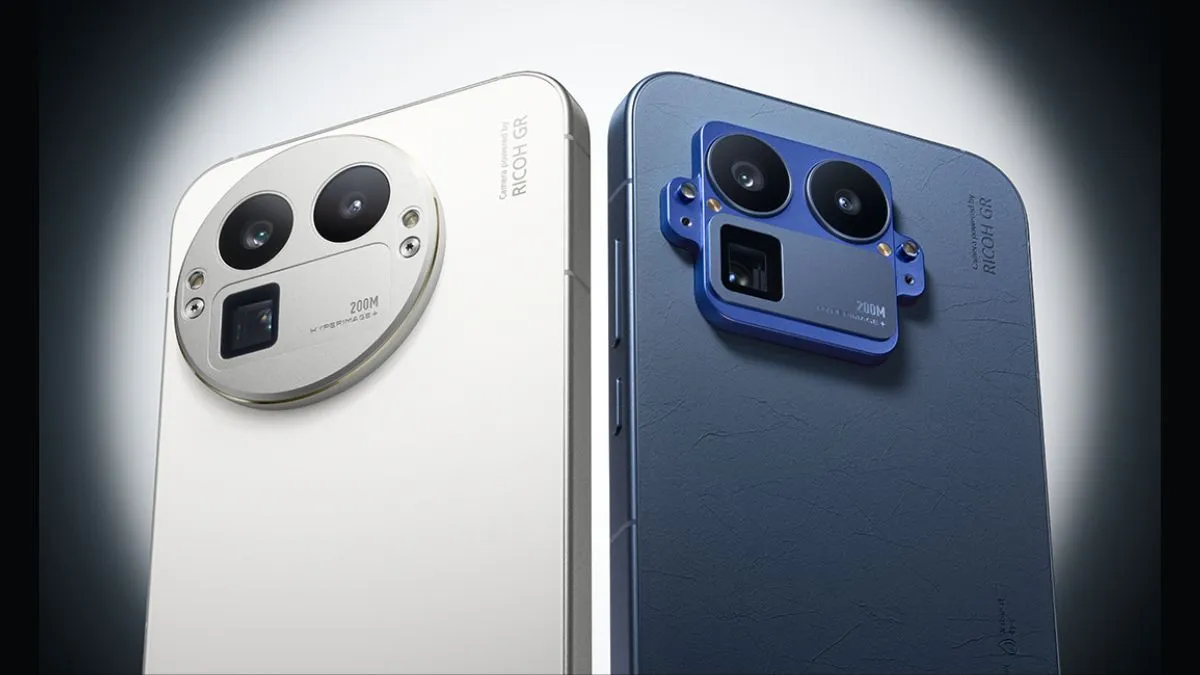
Realme GT 8 Pro and GT 8 Pro Dream Edition Launch in India Starting at Rs 67,999
Image Source: Realme
Written By: Saumya Nigam @snigam04
Published: November 26, 2025 11:17 IST
New Delhi:
Realme has officially launched its flagship smartphones, the Realme GT 8 Pro and Realme GT 8 Pro Dream Edition, in India. The first sale began on November 25, 2025, and the devices are available on realme.com, Flipkart, and major retail stores nationwide.
Realme GT 8 Pro Price and Offers
Available Offers on realme.com and Flipkart:
- GT 8 Pro (12GB RAM + 256GB storage): Rs 72,999
- With bank offers + EMI + Deco Set Gift: Rs 67,999
- GT 8 Pro (16GB RAM + 512GB storage): Rs 78,999
- With bank offers + EMI + Deco Set Gift: Rs 73,999
- GT 8 Pro Dream Edition (16GB RAM + 512GB storage): Rs 79,999
- Up to 12-month no-cost EMI: Rs 79,999
Flagship Display and Immersive Experience
The Realme GT 8 Pro features an industry-first 2K 144Hz HyperGlow Display with a peak brightness of 7000 nits, ensuring excellent visibility even under bright sunlight.
Other premium features include:
- Symmetric Master Acoustic Speaker
- Ultra Haptic Motor
- 7K Ultimate VC Cooling System
Together, these components deliver a rich multimedia and gaming experience.
First-Ever RICOH GR Camera System
A standout feature of the GT 8 Pro is its industry-first RICOH GR Camera System, developed in collaboration with RICOH GR over four years. Key specifications:
- 200MP Ultra Clarity Telephoto camera
- GR focal lengths: 28mm and 40mm
- GR Film Tones
- Snap Focus for instant street photography
This brings a professional-grade, street-photography experience to smartphone users.
Massive 7000mAh Battery with Ultra-Fast Charging
The GT 8 Pro is powered by a 7000mAh Titan Battery, supporting:
- 120W Ultra Charge
- 50W Wireless Charging
Realme claims over 20 hours of video playback and up to 8.4 hours of continuous gaming, making it ideal for heavy users.
World’s First Switchable Camera Bump
Realme introduces the Switchable Camera Bump, allowing users to customize the camera island design between round, square, or themed styles.
The GT 8 Pro comes in Diary White and Urban Blue, built using sustainable recycled materials.
GT 8 Pro Dream Edition
The GT 8 Pro Dream Edition, developed in partnership with the Aston Martin Aramco F1 Team, brings exclusive design elements:
- Aston Martin Racing Green finish
- Lime Essence detailing
- Central silver Aston Martin emblem
- Exclusive F1-inspired UI
This special edition offers a premium, motorsport-inspired aesthetic alongside flagship performance.


⚽ Kolkata Derby Could Decide ISL 2026 Title Race as Five Clubs Wait on Crucial Weekend

Kerala CM Race Intensifies: Posters in Wayanad Target Rahul Gandhi and Priyanka Gandhi Vadra Amid KC Venugopal Speculation

‘Last Plate Syndrome’: Why Many Mothers Eat Last and How It Quietly Affects Their Health

Delhi Police SI Neetu Bisht Caught Taking ₹20 Lakh Bribe – Shocking Details Emerge in Corruption Probe

Ex-Cricketer Shikhar Dhawan Buys Ultra-Luxury Apartment Worth ₹69 Crore in Gurugram

Telegram Channels Disseminating Pro‑Russian Propaganda in Poland
-
 Crime & Investigation1 year ago
Delhi Police SI Neetu Bisht Caught Taking ₹20 Lakh Bribe – Shocking Details Emerge in Corruption Probe
-
 Celebrity Lifestyle1 year ago
Ex-Cricketer Shikhar Dhawan Buys Ultra-Luxury Apartment Worth ₹69 Crore in Gurugram
-
 Glamour & Entertainment1 year ago
Telegram Channels Disseminating Pro‑Russian Propaganda in Poland
-

 Bollywood1 year ago
No ₹3 Lakh Fine or 2-Year Jail: The Truth Behind the ‘Hakla’ GIF Buzz
-
 Travel & Adventure1 year ago
Best Places to Hangout in Delhi (2025): Top 10 Picks for Fun & Chill
-

 Beauty1 year ago
Top 10 Skincare Brands in India Loved by Dermatologists (2025 Update)
-

 Business1 year ago
Amazon sets 30‑day relocation deadline for corporate staff—opt out by resigning in 60 days
-

 Entertainment1 year ago
Abhijeet & Dr Tarika Reunite in CID 2 — Fans Say ‘Clear the Misunderstanding Now