
Tech
Metro Boost for Ghaziabad: DMRC Proposes Blue Line Expansion from Noida — Full Details

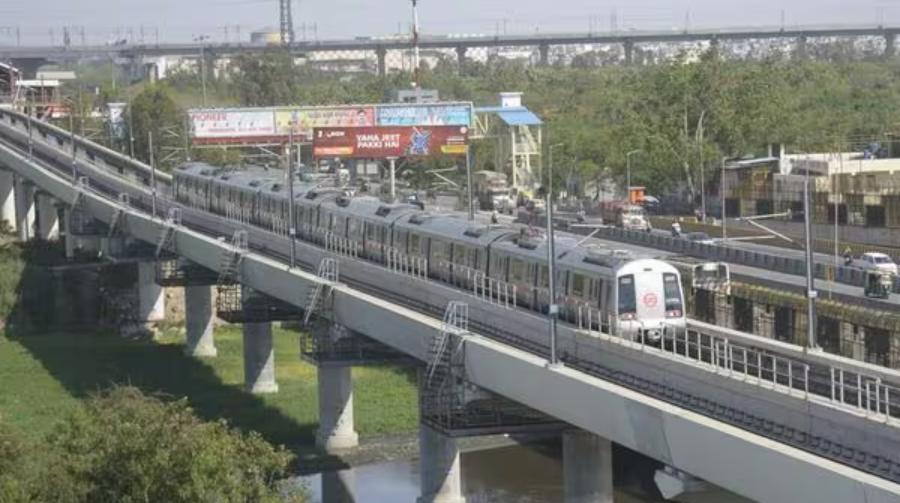
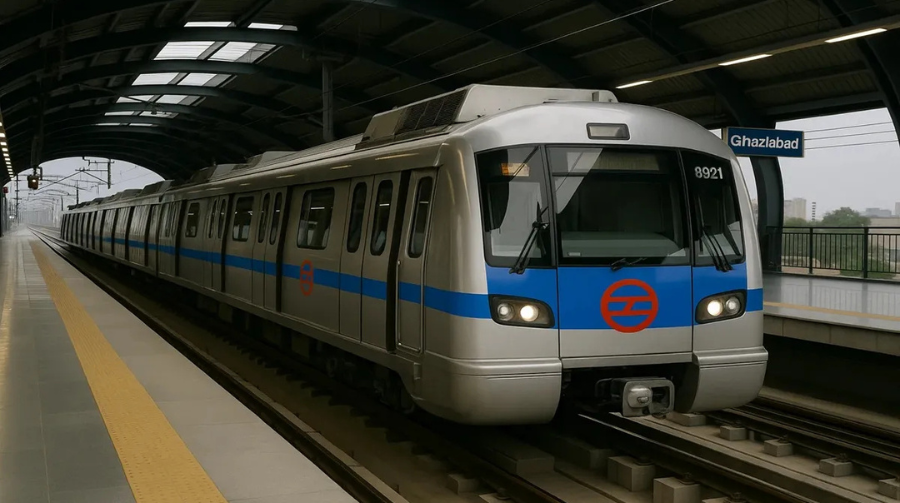
The National Capital Region (NCR) is set for a major metro connectivity upgrade as the Delhi Metro Rail Corporation (DMRC) proposes a 5.1–5.8 km Blue Line extension from Noida Electronic City (Sector 62) to Sahibabad in Ghaziabad. This move could drastically cut travel time, reduce congestion at key Delhi interchange stations, and finally give Ghaziabad residents direct metro access to Noida.
But what exactly is being proposed, who will benefit, and what are the potential roadblocks? Here’s everything you need to know.
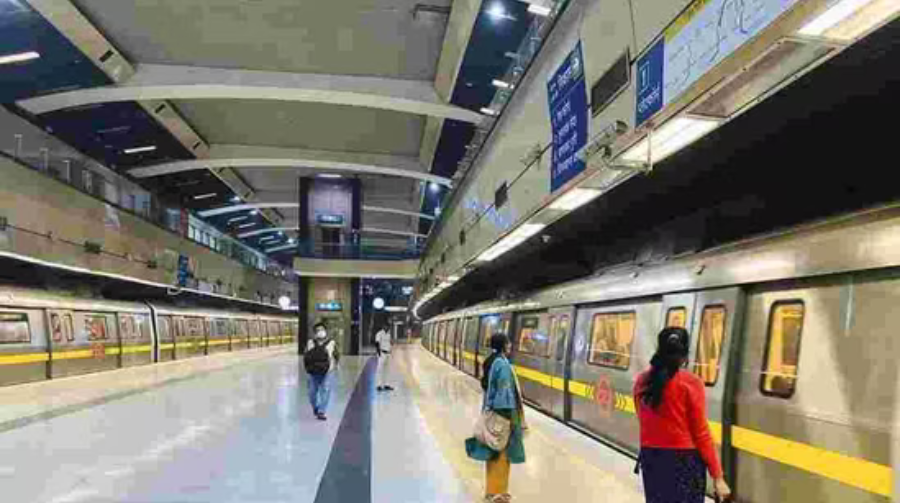
The Current Problem
As it stands, Ghaziabad and Noida — despite being only 10–12 km apart — have no direct metro line connecting them. Commuters must take the Blue Line through Delhi, changing trains at Yamuna Bank or Rajiv Chowk, or navigate congested roads.
This adds 30–45 minutes extra to otherwise short intercity commutes. With Ghaziabad’s population crossing 20 lakhs and many tech workers living in Indirapuram or Vasundhara but working in Noida, the demand for a direct metro link has long been growing.
What the DMRC Is Proposing
After shelving two older route options in 2018 and 2020 due to budget constraints, DMRC has submitted a revised plan in early 2024, which includes:
- An elevated metro extension of approximately 5.83 km from Noida Sector 62 to Sahibabad
- 5 proposed stations:
- Vaibhav Khand
- DPS Indirapuram
- Shakti Khand
- Vasundhara Sector 5
- Sahibabad (to link with the Rapid Rail system)
- Estimated ridership: Over 1.25 lakh daily commuters within 2 years of completion
This plan is now a key part of DMRC’s Phase‑V expansion, which includes four new metro corridors in Ghaziabad.
The Budget: How Much Will It Cost?
The project isn’t cheap. Here’s how the numbers break down:
- Revised cost (2024): ₹1,866–1,873 crore (compared to ₹1,517 crore in 2018)
- Land acquisition: ₹223 crore (for ~26,000 sq meters, including 7,600 sq m private land)
- Construction cost: ~₹1,500 crore including stations, pillars, tracks, etc.
- Funding split:
- 80% from state agencies (Ghaziabad Development Authority, UP Housing Board)
- 20% from central government
- Additional loan assistance planned from NCR Planning Board
Multi‑Modal Connectivity: A Game-Changer
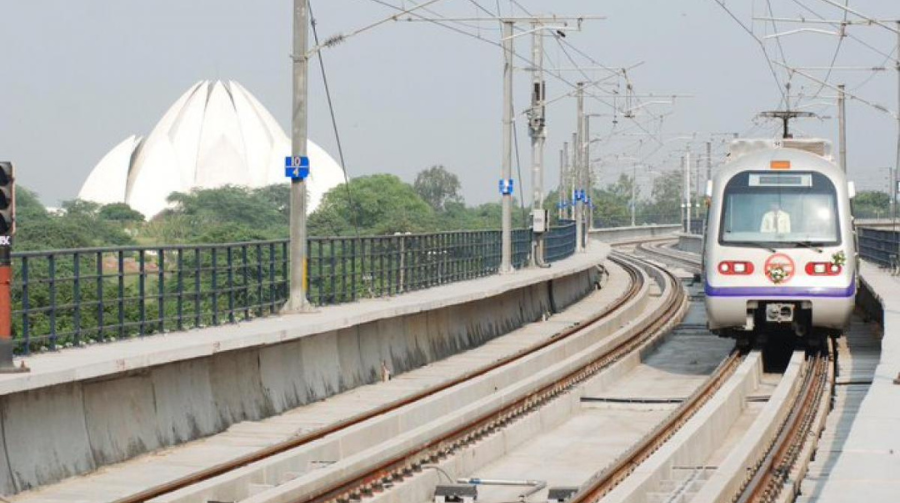
Perhaps the most exciting feature? The final station — Sahibabad — will offer direct integration with the Namo Bharat Rapid Rail (RRTS) corridor that runs between Delhi and Meerut.
This means commuters from Noida could:
- Board at Sector 62 → Get off at Sahibabad → Switch to Rapid Rail → Reach Meerut in 35 minutes
- Or reach Sarai Kale Khan in Delhi via the same RapidX link, skipping road traffic altogether
The integration would be via a foot overbridge or integrated concourse, allowing seamless interchange without exiting platforms.
Timeline: When Will It Be Ready?
Here’s what we know so far:
- February 2024: DMRC submitted revised Detailed Project Report (DPR) to GDA
- Mid 2024: Expected GDA and state government approval
- Late 2024: Center’s financial nod (pending Phase-V rollout)
- 2025: Tendering and groundwork likely to begin
- Expected completion: By 2027, if funding and land acquisition remain on track
Keep in mind: this timeline is optimistic and subject to political approvals and budget releases.
Who Benefits the Most?
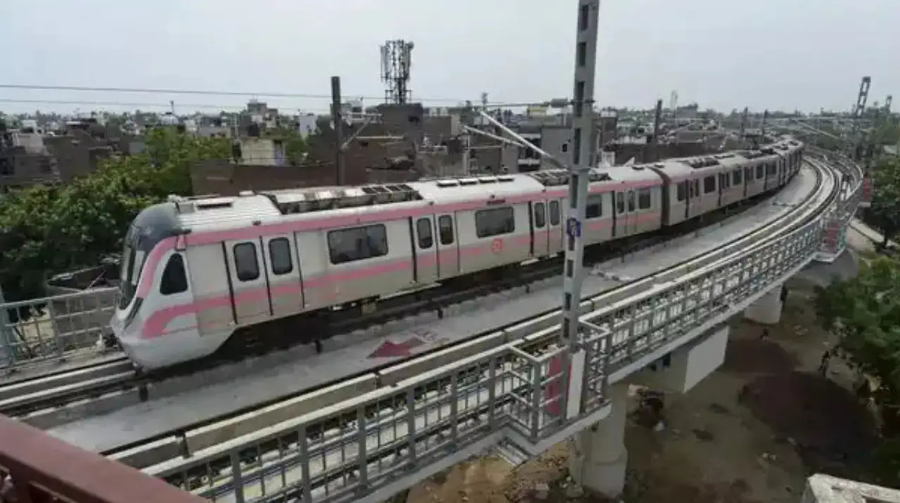
The proposed Blue Line extension will primarily benefit Ghaziabad and East Delhi residents who:
- Live in Indirapuram, Vaishali, Vasundhara, Shakti Khand, Vaibhav Khand, and Rajendra Nagar
- Work in Noida Sector 62–78 IT corridors
- Travel frequently to RapidX stations like Sahibabad, Ghaziabad RRTS, or Duhai
It’s expected to reduce car and cab usage significantly, easing pressure on Delhi’s arterial roads like NH‑9 and Link Road.
Infrastructure Challenges Ahead
Despite the promise, there are hurdles:
- Land Acquisition Bottlenecks
Acquiring private land (~7,600 sq m) could spark compensation disputes and delay construction. - Rising Construction Costs
Inflation, material costs, and potential contractor disputes may escalate budgets. - Metro‑RRTS Integration Complexities
Engineering seamless interchange with the Rapid Rail platform across Link Road at Sahibabad involves significant redesigns. - Funding Uncertainties
Central funding depends on Phase‑V being greenlit fully — which may be influenced by upcoming general elections.
Why Earlier Plans Were Shelved
The 2018 and 2020 proposals failed due to:
- High costs without clear integration to Rapid Rail
- Duplication of coverage with Vaishali–Mohan Nagar metro stretch
- Political disagreements over who would fund how much
This time, however, the integration with RRTS and inclusion in Phase‑V has strengthened the case.
Other Metro Corridors Proposed Under Phase-V
DMRC’s Phase-V expansion includes four Ghaziabad metro corridors:
- Noida Electronic City to Sahibabad (Blue Line) – this proposal
- Vaishali to Mohan Nagar (Blue Line extension)
- Shaheed Sthal to Ghaziabad Railway Station (Red Line infill)
- Hindon Airport to Arthala (Pink Line via new Gokulpuri interchange)
Together, these aim to make Ghaziabad a major metro hub, reducing its historic dependence on Delhi junctions.


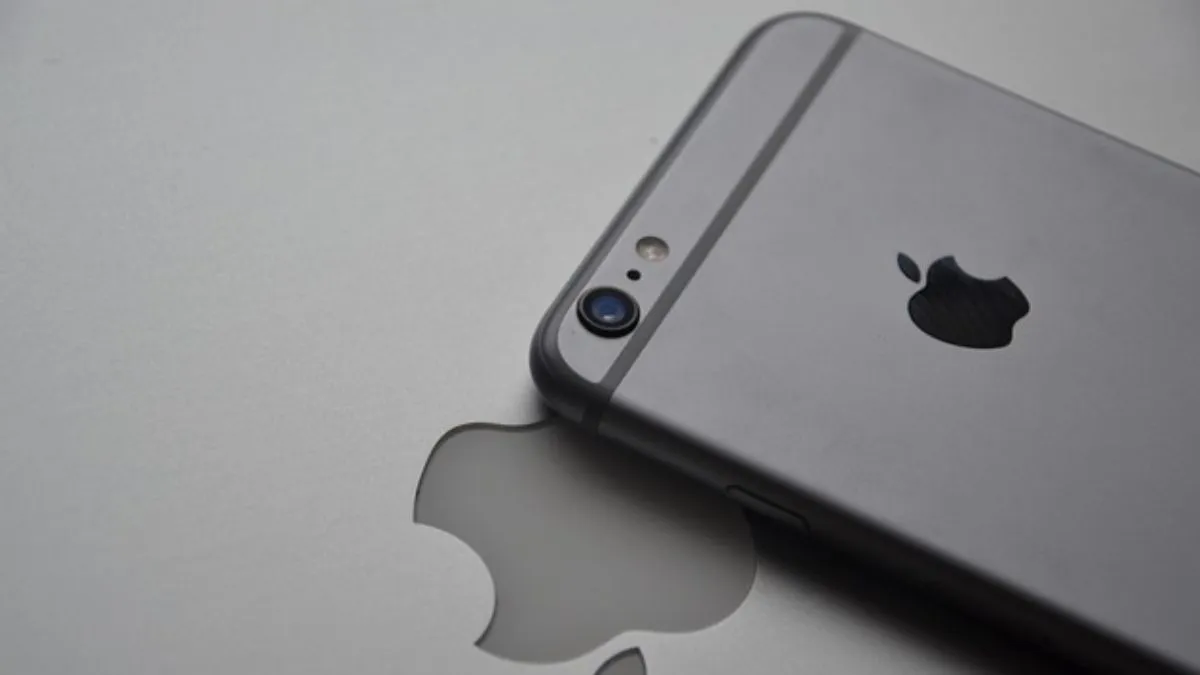
Apple has released a new set of security updates for several older iPhones and iPads, including devices like the iPhone 6s and iPhone 7. The update aims to fix serious security vulnerabilities discovered in older versions of iOS and iPadOS.
The updates include iOS 16.7.15, iOS 15.8.7, iPadOS 16.7.15, and iPadOS 15.8.7, and are specifically designed for devices that no longer support the latest versions of iOS.
Apple released these patches after security researchers discovered a dangerous exploit toolkit called the Coruna exploit kit, which could potentially allow attackers to compromise devices running outdated operating systems.
What is the Coruna exploit kit?
Security researchers from Google and cybersecurity firm iVerify recently identified the Coruna exploit kit, a sophisticated cyberattack toolkit that chains together 23 separate vulnerabilities.
This exploit targets weaknesses in two critical components:
- WebKit, the browser engine used by Safari
- The system kernel, which controls core device operations
In many cases, attackers only need to trick users into clicking a malicious link or visiting a compromised website. Once triggered, the exploit can allow hackers to gain deeper access to the device.
Apple confirmed that the newly released updates patch these vulnerabilities and block the exploit chain.
List of iPhones receiving the update
The security patch is available for several older iPhone models that are still widely used:
- iPhone 6s (2015)
- iPhone 7 (2016)
- iPhone 8 (2017)
- iPhone X (2017)
- iPhone SE (1st generation) (2016)
iPads covered by the update
Apple has also rolled out the patch for older iPad models, including:
- iPad mini 4
- iPad Pro (1st generation)
Although these devices no longer receive major feature updates, Apple continues to release security fixes to keep them protected from cyber threats.
Updates for newer Apple devices
Alongside patches for older hardware, Apple also released iOS 26.3.1 and iPadOS 26.3.1 for newer devices.
These updates mainly focus on:
- Bug fixes
- Performance improvements
- Better stability
- Compatibility with accessories such as the Apple Studio Display
While they do not introduce major new features, they improve overall system reliability.
Why updating your device is important
Security experts strongly recommend installing the update as soon as possible. Devices running outdated software are more vulnerable to cyberattacks, data theft, and malware infections.
Even older devices can remain secure if users regularly install the latest patches released by Apple.
How to update your iPhone or iPad
To install the latest update on your device:
- Open Settings
- Tap General
- Select Software Update
- Download and install the available update
Once installed, your device will be protected against the vulnerabilities linked to the Coruna exploit kit.
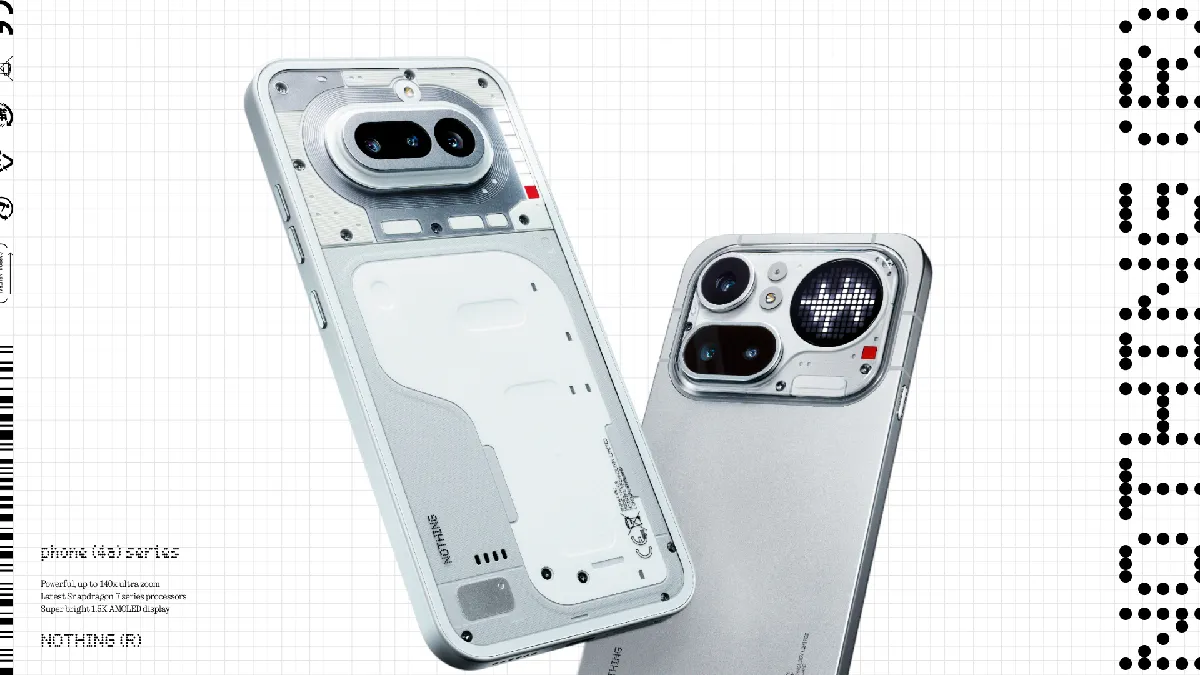
Nothing Technology Limited has officially launched the Nothing Phone (4a) series in India, introducing two new smartphones — Nothing Phone (4a) and Nothing Phone (4a) Pro.
The new lineup brings several upgrades over its predecessor, including Snapdragon chipsets, AMOLED displays, telephoto cameras, enhanced Glyph interface, and AI-powered features. Both devices run on Android 16-based Nothing OS 4.1 and continue the brand’s signature transparent design language.
The company has also confirmed long-term software support, promising three years of Android updates and six years of security updates for both smartphones.
Nothing Phone 4a and Phone 4a Pro price in India
Nothing Phone 4a price
- ₹31,999 – 8GB RAM + 128GB storage
- ₹34,999 – 8GB RAM + 256GB storage
- ₹37,999 – 12GB RAM + 256GB storage
Nothing Phone 4a Pro price
- ₹39,999 – 8GB RAM + 128GB storage
- ₹42,999 – 8GB RAM + 256GB storage
- ₹45,999 – 12GB RAM + 256GB storage
Launch offers
- ₹1,000 instant bank discount
- ₹6,000 exchange bonus
Both smartphones will be available via Flipkart.
Sale dates
- Nothing Phone 4a: March 13, 2026
- Nothing Phone 4a Pro: March 27, 2026
Colour options
Nothing Phone 4a
- Black
- Blue
- Pink
- White
Nothing Phone 4a Pro
- Black
- Pink
- Silver
Nothing Phone 4a specifications and features
The Nothing Phone 4a runs on Nothing OS 4.1 based on Android 16 and features a 6.78-inch LTPS flexible AMOLED display with a resolution of 1,224 × 2,720 pixels.
Display highlights
- 120Hz refresh rate
- Up to 4,500 nits peak brightness
- 440ppi pixel density
- 1.07 billion colours
- 2,500Hz touch sampling rate in gaming mode
- 2,160Hz PWM dimming
- Protection from Corning Gorilla Glass 7i
Performance
The smartphone is powered by the 4nm Snapdragon 7s Gen 4 processor, designed to deliver improved gaming performance and AI processing capabilities.
It includes:
- Up to 12GB LPDDR4x RAM
- Up to 256GB UFS 3.1 storage
- IP64 dust and splash resistance
New Glyph Bar interface
The Phone 4a introduces a redesigned Glyph Bar interface featuring 63 mini-LED lights arranged in six zones.
New features include:
- Generative ringtones
- Glyph Timer
- Essential Notifications
- Volume indicator
- Live notifications
- Camera countdown
- Glyph Torch
- Flip to Record
- Flip to Glyph
- Glyph progress bar
These lights provide visual alerts for notifications, calls, timers, and music playback.
Nothing Phone 4a camera system
The device features a triple rear camera setup:
- 50MP main camera with Samsung GN9 sensor and OIS
- 50MP periscope telephoto camera with Samsung JN5 sensor and up to 70x Ultra Zoom
- 8MP ultra-wide camera with Sony IMX355 sensor and 120° field of view
For selfies, the phone includes a 32MP front camera with a Samsung KD1 sensor.
Video recording supports 4K at 30fps.
Battery and connectivity
The Nothing Phone 4a houses a 5,400mAh battery with 50W fast charging. According to the company, the device can charge from 1% to 100% in about 64 minutes.
Connectivity options include:
- 5G and 4G LTE
- Wi-Fi 6
- Bluetooth 5.4
- NFC
- USB Type-C
- GPS, GLONASS, BeiDou, Galileo and QZSS
The phone also includes an in-display fingerprint scanner, gyroscope, accelerometer, compass, proximity sensor and ambient light sensor.
Nothing Phone 4a Pro specifications
The Nothing Phone 4a Pro offers a slightly more premium experience with a 6.83-inch 1.5K AMOLED display.
Display features
- Up to 144Hz refresh rate
- 5,000 nits peak brightness
- 2,500Hz touch sampling rate
- 2,160Hz PWM dimming
- Gorilla Glass 7i protection
Performance
The Pro model is powered by the Snapdragon 7 Gen 4 chipset.
It includes:
- Up to 12GB LPDDR5x RAM
- Up to 256GB UFS 3.1 storage
- IP65 dust and water resistance
Glyph Matrix interface
Unlike the standard model, the Phone 4a Pro introduces a Glyph Matrix interface with 137 mini-LEDs and up to 3,000 nits brightness.
It supports interactive features called Glyph Toys, which allow users to display:
- Battery status
- Timer
- Digital clock
- Solar Path indicator
- Glyph Mirror animations
Nothing Phone 4a Pro camera setup
The Pro model also features a triple-camera system:
- 50MP primary camera with Sony LYT-700C sensor and OIS
- 50MP telephoto camera with up to 140x Ultra Zoom
- 8MP ultra-wide camera
For selfies and video calls, the device uses the same 32MP front camera as the standard model.
Conclusion
With the launch of the Nothing Phone 4a series, Nothing continues to strengthen its position in India’s competitive mid-range smartphone segment.
The lineup combines premium design, powerful Snapdragon processors, telephoto cameras, AI features, and a unique Glyph interface, making the devices stand out from conventional Android smartphones.
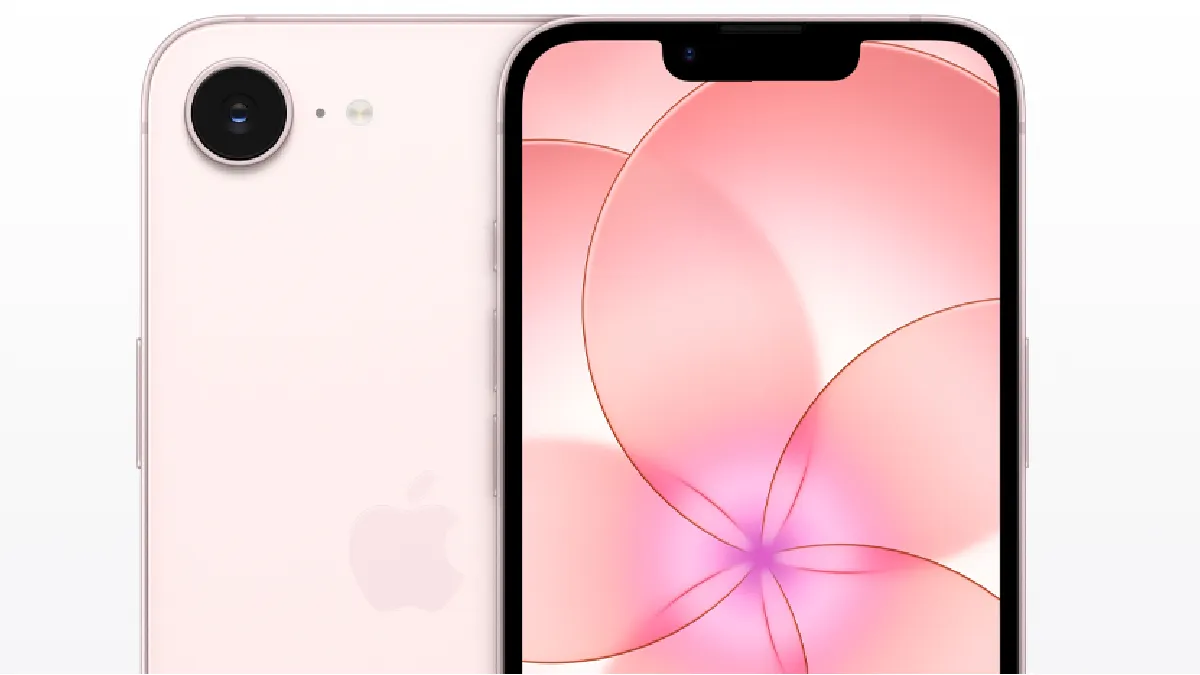
Apple Inc. has officially launched the iPhone 17e in India and global markets as the successor to the iPhone 16e. Positioned as a more affordable entry in the iPhone lineup, the 17e brings incremental upgrades in performance, storage, and connectivity.
The iPhone 17e starts at Rs 64,900, while the iPhone 16e was launched at Rs 59,900. On the surface, both phones look nearly identical — but there are several important differences under the hood.
Here’s a detailed breakdown.
📱 Design & Display
Both smartphones feature:
- 6.1-inch OLED Super Retina XDR display
- 60Hz refresh rate
- Notch design
- HDR support
- Similar brightness levels
However, there is a small durability upgrade:
- iPhone 16e: Ceramic Shield
- iPhone 17e: Ceramic Shield 2 (improved drop resistance)
There are no changes in refresh rate, meaning both models still operate at 60Hz — unlike the Pro variants that offer ProMotion.
Verdict: Display experience remains largely unchanged, with minor durability improvement in the 17e.
⚙️ Performance & Processor
This is where the biggest difference lies.
- iPhone 17e: A19 Bionic chip
- iPhone 16e: A18 Bionic chip
The A19 Bionic delivers:
- Better CPU efficiency
- Improved GPU performance
- Enhanced AI processing for Apple Intelligence
- Better thermal management
The 17e also introduces:
- N1 chip with C1x modem (improved connectivity & power efficiency)
- Compared to C1 modem in iPhone 16e
Both phones feature similar battery capacity, but the newer chip may provide slightly better real-world battery optimisation.
Verdict: iPhone 17e offers a noticeable performance upgrade, especially for gaming and AI-based features.
💾 Storage & Charging
Another major change:
- iPhone 16e: Starts at 128GB
- iPhone 17e: Starts at 256GB
This makes the new base model more future-proof for users who store photos, videos, and apps extensively.
Charging differences:
- iPhone 17e supports MagSafe wireless charging
- Fast wired charging supported on both
Verdict: The doubled base storage is a major practical upgrade.
📸 Camera Comparison
Both models feature:
- 48MP Fusion main rear camera
- 12MP front camera
- Apple Intelligence integration
What’s new in 17e?
- Improved depth control
- Enhanced image processing via A19 chip
- Slightly better low-light optimisation
However, there are no hardware upgrades in terms of additional lenses or megapixels.
Verdict: Camera improvements are software-driven rather than hardware-based.
🔋 Battery & Connectivity
- Same battery capacity on paper
- Better modem (C1x) in iPhone 17e
- Improved network stability and potentially better 5G performance
Connectivity is one of the quieter but important upgrades in the 17e.
💰 Price Comparison (India)
| Model | Launch Price | Base Storage |
|---|---|---|
| iPhone 16e | Rs 59,900 | 128GB |
| iPhone 17e | Rs 64,900 | 256GB |
Although the 17e costs Rs 5,000 more, it offers:
- New chipset
- Double base storage
- Improved modem
- MagSafe support
🛒 Availability Note
Following the launch of the iPhone 17e, Apple has removed the iPhone 16e from its official website, limiting its availability through Apple Store channels.
🤔 Which One Should You Buy?
Choose iPhone 17e if:
- You want better long-term performance
- You need 256GB storage minimum
- You value improved connectivity
- You plan to keep the phone for 3–4 years
Choose iPhone 16e (if available at discount) if:
- You find it at a significantly lower price
- 128GB storage is enough for you
- You don’t need the latest chipset
📌 Final Verdict
The iPhone 17e is an incremental but meaningful upgrade. While design and camera hardware remain the same, the A19 Bionic chip, upgraded modem, MagSafe support, and higher base storage make it a more future-ready option.
If priced competitively during sales, it could become one of Apple’s strongest mid-premium offerings in 2026.


Healthy pav bhaji recipe: A lighter take on the classic street-food favourite

Apple releases security update for iPhone 6s, iPhone 7 and other older devices: Full list

‘Badshah is being judged…’: Santy Sharma defends rapper amid Tateeree song controversy

Ex-Cricketer Shikhar Dhawan Buys Ultra-Luxury Apartment Worth ₹69 Crore in Gurugram

Delhi Police SI Neetu Bisht Caught Taking ₹20 Lakh Bribe – Shocking Details Emerge in Corruption Probe

Telegram Channels Disseminating Pro‑Russian Propaganda in Poland
-
 Celebrity Lifestyle10 months ago
Ex-Cricketer Shikhar Dhawan Buys Ultra-Luxury Apartment Worth ₹69 Crore in Gurugram
-
 Crime & Investigation8 months ago
Delhi Police SI Neetu Bisht Caught Taking ₹20 Lakh Bribe – Shocking Details Emerge in Corruption Probe
-
 Glamour & Entertainment9 months ago
Telegram Channels Disseminating Pro‑Russian Propaganda in Poland
-

 Bollywood7 months ago
No ₹3 Lakh Fine or 2-Year Jail: The Truth Behind the ‘Hakla’ GIF Buzz
-

 Entertainment9 months ago
Abhijeet & Dr Tarika Reunite in CID 2 — Fans Say ‘Clear the Misunderstanding Now
-

 Business9 months ago
Amazon sets 30‑day relocation deadline for corporate staff—opt out by resigning in 60 days
-

 Travel & Adventure9 months ago
Best Places to Hangout in Delhi (2025): Top 10 Picks for Fun & Chill
-

 Economy & Business9 months ago
📈 Indian Stock Market Soars in June 2025 Amid RBI Rate Cut and Foreign Investment Boost