
Lifestyle
Strong Legs, Sharper Brain? Scientists Link Leg Strength to Lower Alzheimer’s Risk


We often separate brain health from physical fitness—thinking of puzzles, diet, or sleep as the main factors. But growing research suggests something surprisingly simple may play a major role:
👉 Your leg strength.
Neurologists like Ayesha Sherzai and Dean Sherzai highlight that strong lower-body muscles may significantly reduce the risk of Alzheimer’s disease and cognitive decline.
🔬 What the Research Actually Shows
One of the most cited findings comes from a twin study, which is important because it controls for genetics.
👉 Key insight:
- Twins with stronger legs had better memory outcomes
- About 47% showed normal cognitive function compared to weaker counterparts
- The program lasted just 6 months
- Exercise time: 30–45 minutes, a few times per week
Even more interesting:
👉 The benefits persisted after the exercise program ended
🧠 Why Leg Strength Affects Brain Health
This isn’t just coincidence—it’s biology.
1. Largest Muscle Group = Strongest Signals
Your legs contain the biggest muscles in the body. When you train them:
- Blood circulation improves
- Oxygen supply to the brain increases
- Anti-inflammatory responses are triggered
2. Brain-Boosting Chemicals
Exercise—especially resistance training—stimulates:
- Growth factors (like BDNF)
- Neuroplasticity (brain’s ability to adapt)
👉 These are crucial in preventing diseases like Alzheimer’s disease
3. Blood Sugar & Metabolism Control
Strong muscles improve insulin sensitivity.
👉 Why it matters:
- Poor metabolic health is linked to cognitive decline
- Some researchers even call Alzheimer’s “Type 3 diabetes” (informally)
4. Mobility = Independence = Brain Health
Leg strength helps maintain:
- Balance
- Movement
- Daily activity
👉 Less movement = faster cognitive decline
⚠️ Important Clarification
The “47% reduction” doesn’t mean:
❌ You eliminate Alzheimer’s risk
It means:
✔️ There is a strong association
✔️ Exercise is a protective factor, not a cure
🏋️ Best Leg Exercises for Brain Health
You don’t need a gym or heavy weights.
Beginner-Friendly:
- Mini squats
- Chair squats
- Step-ups
- Walking lunges
Moderate:
- Bodyweight squats
- Resistance band exercises
- Stair climbing
Advanced:
- Weighted squats
- Leg press
- Deadlifts
👉 Aim for:
- 3–4 times per week
- 20–40 minutes per session
🏠 Easy “No-Excuse” Routine
Inspired by Dean Sherzai:
- Watching TV? → Do 10–15 squats
- Waiting for food? → 60-second mini squats
- On calls? → Stand and move
👉 Small habits = long-term brain protection
🧾 Who Benefits the Most?
This approach is especially helpful for:
- People with sedentary lifestyles
- Adults over 40
- Those with mild cognitive impairment (MCI)
- Anyone with family history of dementia
🧠 Final Verdict
✔️ Strong evidence supports the link between muscle strength and brain health
✔️ Leg training is one of the most efficient ways to protect cognitive function
✔️ Simple, consistent movement matters more than intensity
🔥 Key Takeaway
👉 You don’t need complex brain games to protect your mind.
Sometimes, the best thing you can do for your brain is:















Health & Wellness
Scientists Identify Brain Mechanism Behind High Blood Pressure, Opening New Treatment Path


High blood pressure—also known as Hypertension—is typically linked to lifestyle factors like diet, stress, lack of exercise, or genetics. But new research suggests that the brain itself may play a much bigger role than previously thought.
A recent study published in Circulation Research highlights how a specific brain region involved in breathing could directly influence blood pressure—potentially opening doors to entirely new treatment strategies.
🔬 What the Study Discovered
Researchers from the University of São Paulo and the University of Auckland focused on a small but important brain region called the:
👉 Lateral parafacial nucleus (pFL)
Traditionally, this region is known for controlling breathing patterns, especially forceful exhalations like:
- Coughing
- Laughing
- Heavy breathing during exercise
However, the study found something unexpected:
👉 The pFL can also activate the nervous system in a way that constricts blood vessels, leading to increased blood pressure.
⚙️ How the Brain May Raise Blood Pressure
Here’s the mechanism in simple terms:
- The pFL region becomes overactive
- It stimulates the sympathetic nervous system (fight-or-flight response)
- Blood vessels tighten (vasoconstriction)
- Blood pressure rises
👉 This explains why some people have persistent high blood pressure even with medication
🧪 What Happened in the Experiments
The study was conducted on animal models (rats), where scientists used genetic tools to control brain activity.
They observed:
- Activating pFL neurons → Blood pressure increased
- Deactivating pFL neurons → Blood pressure returned to normal
In hypertensive rats:
- The pFL was overactive
- It affected both breathing and cardiovascular function
🧠 Why This Matters
1. Explains “Uncontrolled Hypertension”
About 50% of hypertension cases may have a neurogenic (brain-related) component.
👉 This could explain why:
- Some patients don’t respond well to standard drugs
- Blood pressure remains high despite treatment
2. Strong Link to Sleep Apnea
The study also helps explain the connection between Sleep apnea and high blood pressure.
During sleep apnea:
- Oxygen levels drop
- Carbon dioxide rises
- pFL neurons get activated
👉 This triggers blood pressure spikes during sleep
3. New Treatment Possibilities
Instead of only treating symptoms (like relaxing blood vessels), future treatments may:
👉 Target the root cause in the brain
One promising approach involves the:
- Carotid bodies (small sensors in the neck)
Scientists aim to:
- Reduce their activity
- Indirectly calm the pFL region
- Lower blood pressure safely without directly affecting the brain
💊 What This Means for Future Treatments
Researchers, including Julian Paton, suggest that:
- New drugs could modulate nerve activity
- Treatments may become more personalized
- Patients resistant to current medications could benefit
👉 However, this is still early-stage research
⚠️ Important Limitations
- The study was conducted on animals
- Human trials are still needed
- Not all hypertension cases are brain-related
👉 So this is promising—but not yet a cure or immediate solution
🧾 Bigger Picture: Rethinking Hypertension
This research shifts the perspective:
❌ Old view: Blood pressure is mainly lifestyle-driven
✔️ New view: It is a complex interaction between brain, body, and environment
🧠❤️ Final Takeaway
✔️ The brain may play a direct role in regulating blood pressure
✔️ Breathing-related neural circuits could influence heart health
✔️ Future treatments might target the nervous system, not just blood vessels
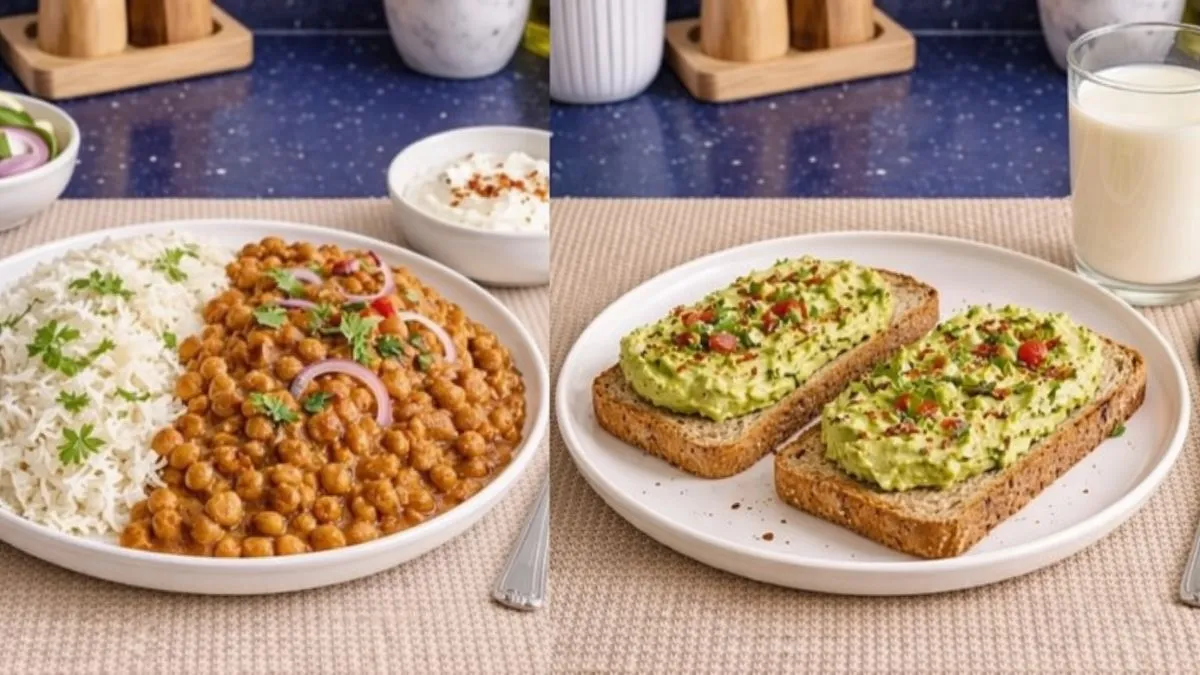
A vegetarian diet can absolutely meet high-protein goals—it just requires intentional food combinations. A plan shared by fitness trainer Divy Chheda demonstrates how to reach ~100g protein within 1600 calories, using familiar Indian foods like chole, rice, tofu, and curd.
Let’s break it down—and improve it.
🍽️ The Original Meal Plan (Refined)
🌅 Breakfast
- Avocado toast (2 slices high-protein bread + 50g avocado + onion + tomato)
- 250 ml high-protein milk
👉 Estimated nutrition:
- Protein: ~18–22g
- Calories: ~350–400 kcal
✔️ Good fats + carbs + protein
⚠️ Avocado adds calories but little protein
🍛 Lunch
- Chole (30g raw chickpeas cooked)
- Rice (30g raw)
- 1 tbsp oil
- Onion + tomato
- 250g curd
👉 Estimated nutrition:
- Protein: ~22–26g
- Calories: ~450–500 kcal
✔️ Strong protein from chickpeas + curd
✔️ Balanced Indian meal
⚠️ Oil slightly increases calories
🍎 Snacks
- 1 apple
- 1 scoop protein powder
👉 Estimated nutrition:
- Protein: ~20–25g
- Calories: ~180–220 kcal
✔️ Protein shake is key to hitting 100g
✔️ Simple and practical
🍜 Dinner
- Coconut curry tofu noodles
- 100g tofu
- 30g whole wheat noodles
- 80 ml coconut milk
- Vegetables (broccoli, onion, tomato)
- 1 tbsp oil
👉 Estimated nutrition:
- Protein: ~25–30g
- Calories: ~450–500 kcal
✔️ Tofu is the main protein driver
⚠️ Coconut milk + oil increase calories
📊 Total Daily Intake (Estimated)
- Protein: ~95–105g
- Calories: ~1500–1650 kcal
👉 Yes, the claim is realistic—but only if:
- High-protein milk is used
- Protein powder is included
- Portions are controlled strictly
🧠 Expert Reality Check
✔️ What’s Good About This Plan
- Uses normal Indian foods (not extreme dieting)
- Balanced across carbs, fats, protein
- Includes plant + dairy protein sources
- Easy to follow for beginners
⚠️ What Needs Improvement
1. Protein Quality
Plant proteins (like chickpeas, wheat) are incomplete proteins.
👉 Fix:
- Combine foods (dal + rice, roti + curd)
- Include tofu, dairy, or soy regularly
2. Heavy Reliance on Protein Powder
Without the shake, protein drops to ~70–75g.
👉 Suggestion:
- Add:
- Paneer
- Greek yogurt
- Soya chunks
3. Calories from Fat
Coconut milk + oil + avocado = calorie dense
👉 Fix:
- Reduce oil to 2 tsp total per day
- Use light coconut milk
4. Low Fiber Variety
Needs more vegetables and legumes diversity
🔁 Improved Version (Better Optimization)
🌅 Breakfast Upgrade
- Add:
- 2 tbsp peanut butter or
- 100g Greek yogurt
👉 +8–10g protein boost
🍛 Lunch Upgrade
- Increase chickpeas to 50g raw
👉 +5–6g protein
🍜 Dinner Upgrade
- Replace some noodles with:
- Soya chunks or
- Extra tofu (150g total)
👉 +8–12g protein
💪 How Much Protein Do You Actually Need?
According to general guidelines:
- Sedentary: 0.8 g/kg
- Active: 1.2–1.6 g/kg
- Fat loss/muscle gain: 1.6–2.2 g/kg
👉 Example:
- 70 kg person:
- Minimum: ~56g
- Fitness goal: 90–140g
So this 100g plan is ideal for:
- Weight loss
- Muscle maintenance
- Beginner fitness routines
🧾 Final Verdict
✔️ Yes, this plan works
✔️ Practical and realistic
✔️ Good starting point for vegetarians
But:
👉 It’s not “perfect”
👉 Needs small tweaks for:
- Better protein quality
- Lower calories from fat
- Less dependence on supplements
🔥 Simple Takeaway
You don’t need exotic foods to hit protein goals.
👉 Just combine:
- Dairy + legumes
- Soy + grains
- Add 1 protein supplement if needed
Lifestyle
‘Boys Don’t Cry’ Is Outdated: Why Men Must Stop Suppressing Emotions, Psychologist Explains

For generations, many men have grown up with a rigid idea of masculinity—be strong, stay silent, and never show vulnerability. Phrases like “boys don’t cry” or “man up” have long shaped how men deal with emotions.
But today, mental health experts are challenging this mindset. According to S Giriprasad from Aster Whitefield Hospital, emotional expression is not a weakness—it’s essential for overall well-being.
The Long-Standing Myth of Emotional Suppression
For decades, emotional control has been equated with strength, especially for men. Many are taught early on to:
- Hide sadness
- Avoid expressing fear
- Suppress vulnerability
Over time, this conditioning leads to a dangerous belief: that emotions should be ignored rather than understood.
However, psychology tells a different story—emotions don’t disappear when suppressed. They accumulate and eventually surface in other, often harmful, ways.
The Hidden Psychological Costs
Suppressing emotions doesn’t make them go away. Instead, it can lead to:
- Irritability and anger outbursts
- Sleep disturbances and fatigue
- Chronic stress and burnout
- Anxiety and depression
- Physical symptoms like headaches or body pain
Many men fail to recognize these signs as emotional distress because they’ve been conditioned to disconnect from their feelings.
Why Emotional Expression Matters
Letting emotions out—whether through talking, writing, or even crying—is a form of emotional regulation, not loss of control.
For example:
- Crying can help release stress hormones
- Talking can provide clarity and relief
- Reflecting helps process difficult experiences
Emotional expression acts as a reset mechanism, helping the mind regain balance.
The Pressure of Traditional Gender Roles
Society often places men into fixed roles:
- The provider
- The protector
- The problem-solver
While these roles are admirable, they can create immense pressure to always appear strong and in control. As a result:
- Many men avoid seeking help
- Emotional struggles remain hidden
- Support is often sought only at a breaking point
This not only affects mental health but also relationships, work performance, and overall quality of life.
The Need for Safe Spaces
One of the biggest barriers to emotional expression is the lack of safe, judgment-free environments.
Men need spaces where they can:
- Speak openly without fear
- Share struggles honestly
- Seek guidance when needed
These spaces can include:
- Close friendships
- Supportive family environments
- Professional counselling or therapy
Normalizing these conversations is key to long-term change.
Redefining Strength: Vulnerability Is Not Weakness
A healthier version of masculinity embraces both strength and vulnerability.
Being emotionally aware:
- Improves decision-making
- Strengthens relationships
- Builds resilience
- Enhances self-understanding
True strength lies not in suppressing emotions, but in acknowledging and managing them effectively.
Moving Towards Healthier Masculinity
The conversation around men’s mental health is evolving—but slowly. Breaking long-held beliefs takes time, awareness, and effort.
What Needs to Change:
- Encourage open emotional conversations
- Challenge harmful stereotypes
- Promote mental health education
- Support seeking professional help
Final Thoughts
The idea that “boys don’t cry” is no longer relevant in today’s world. Emotional expression is not a flaw—it’s a fundamental human need.
By redefining masculinity to include openness, vulnerability, and self-care, men can lead healthier, more balanced lives. Strength is not about enduring everything in silence—it’s about knowing when to speak, feel, and reach out.


Scientists Identify Brain Mechanism Behind High Blood Pressure, Opening New Treatment Path

Strong Legs, Sharper Brain? Scientists Link Leg Strength to Lower Alzheimer’s Risk

Trainer-Backed Vegetarian Plan: 100g Protein Under 1600 Calories

Ex-Cricketer Shikhar Dhawan Buys Ultra-Luxury Apartment Worth ₹69 Crore in Gurugram

Delhi Police SI Neetu Bisht Caught Taking ₹20 Lakh Bribe – Shocking Details Emerge in Corruption Probe

Telegram Channels Disseminating Pro‑Russian Propaganda in Poland
-
 Celebrity Lifestyle11 months ago
Ex-Cricketer Shikhar Dhawan Buys Ultra-Luxury Apartment Worth ₹69 Crore in Gurugram
-
 Crime & Investigation9 months ago
Delhi Police SI Neetu Bisht Caught Taking ₹20 Lakh Bribe – Shocking Details Emerge in Corruption Probe
-
 Glamour & Entertainment10 months ago
Telegram Channels Disseminating Pro‑Russian Propaganda in Poland
-

 Bollywood8 months ago
No ₹3 Lakh Fine or 2-Year Jail: The Truth Behind the ‘Hakla’ GIF Buzz
-

 Entertainment10 months ago
Abhijeet & Dr Tarika Reunite in CID 2 — Fans Say ‘Clear the Misunderstanding Now
-

 Business10 months ago
Amazon sets 30‑day relocation deadline for corporate staff—opt out by resigning in 60 days
-

 Travel & Adventure10 months ago
Best Places to Hangout in Delhi (2025): Top 10 Picks for Fun & Chill
-

 Economy & Business10 months ago
📈 Indian Stock Market Soars in June 2025 Amid RBI Rate Cut and Foreign Investment Boost