
Lifestyle
Kitchen Island Inspiration: From Functional Prep Zones to Stylish Breakfast Bars


- /home/u299404478/domains/toplisted.in/public_html/wp-content/plugins/mvp-social-buttons/mvp-social-buttons.php on line 27
https://toplisted.in/wp-content/uploads/2025/07/Toplisted-Image-size-116.png&description=Kitchen Island Inspiration: From Functional Prep Zones to Stylish Breakfast Bars', 'pinterestShare', 'width=750,height=350'); return false;" title="Pin This Post">
- Share
- Tweet /home/u299404478/domains/toplisted.in/public_html/wp-content/plugins/mvp-social-buttons/mvp-social-buttons.php on line 72
https://toplisted.in/wp-content/uploads/2025/07/Toplisted-Image-size-116.png&description=Kitchen Island Inspiration: From Functional Prep Zones to Stylish Breakfast Bars', 'pinterestShare', 'width=750,height=350'); return false;" title="Pin This Post">
Kitchen islands aren’t just trendy—they’re a game-changer in terms of functionality and design. Whether you need more counter space, seating, or storage, an island can solve multiple problems while adding style to your space.
Choosing the Right Kitchen Island Design
Before you choose an island, ask:
- What’s your primary goal? (prep, seating, storage, all of the above)
- How big is your kitchen?
- Do you need a fixed or portable island?
🔹 Small kitchens: Opt for rolling carts or narrow rectangular islands.
🔹 Large kitchens: Explore L-shaped or double islands with seating and appliances built in.

Kitchen Island Styles to Inspire You
- Minimalist Marble Top Island
- Sleek look, great for modern kitchens
- Doubles as a wine bar or breakfast nook
- Rustic Wood Island
- Warm tones with farmhouse charm
- Adds character to white or neutral kitchens
- Bold Colored Island
- Contrasting shades (navy, forest green)
- Adds a designer pop to your space
- Industrial Chic Island
- Exposed pipes, metal stools, concrete or wood top
- Perfect for loft-style homes
- Vintage Repurposed Island
- Reuse old dressers or butcher blocks
- Budget-friendly + eco-conscious

Smart Storage Solutions for Islands
Use the base of your island wisely:
- Deep drawers for pots/pans
- Hidden pull-out spice racks
- Built-in trash bin or compost drawer
- Slide-out chopping boards
Pro tip: Add power outlets for blenders, mixers, or charging phones.
Seating Ideas for Breakfast Bars
Turn your island into a cozy family hub with smart seating.
- Counter-height stools (24–26 inches): Best for standard-height islands
- Bar-height stools (28–30 inches): For taller island counters
- Backless stools: Tuck away neatly for space-saving
- Upholstered seats: Great for comfort in eat-in kitchens
Add an overhang of 12–18 inches for comfy legroom under the counter.

Multi-Functional Island Features
Go beyond just prep or seating. Modern kitchen islands can include:
- Built-in wine fridge
- Microwave or warming drawer
- Second sink for washing veggies
- Induction cooktop
- Pull-out breakfast trays
Best Materials for Kitchen Islands
| Surface Type | Pros | Ideal For |
|---|---|---|
| Quartz | Durable, modern, low maintenance | Busy kitchens |
| Granite | Heat-resistant, natural beauty | Luxury look |
| Butcher Block | Warm, great for cutting | Rustic charm |
| Stainless Steel | Industrial, hygienic | Commercial-style homes |

Kitchen Island Lighting & Decor Tips
Lighting sets the tone:
- Pendant lights: Hang 2–3 evenly spaced over the island
- Chandeliers: Add elegance to large islands
- LED strips: Under-cabinet glow for ambiance
Add flair with:
- Potted herbs or flowers
- Hanging racks for pans
- Open shelving for books or mugs
Health & Wellness
‘Last Plate Syndrome’: Why Many Mothers Eat Last and How It Quietly Affects Their Health

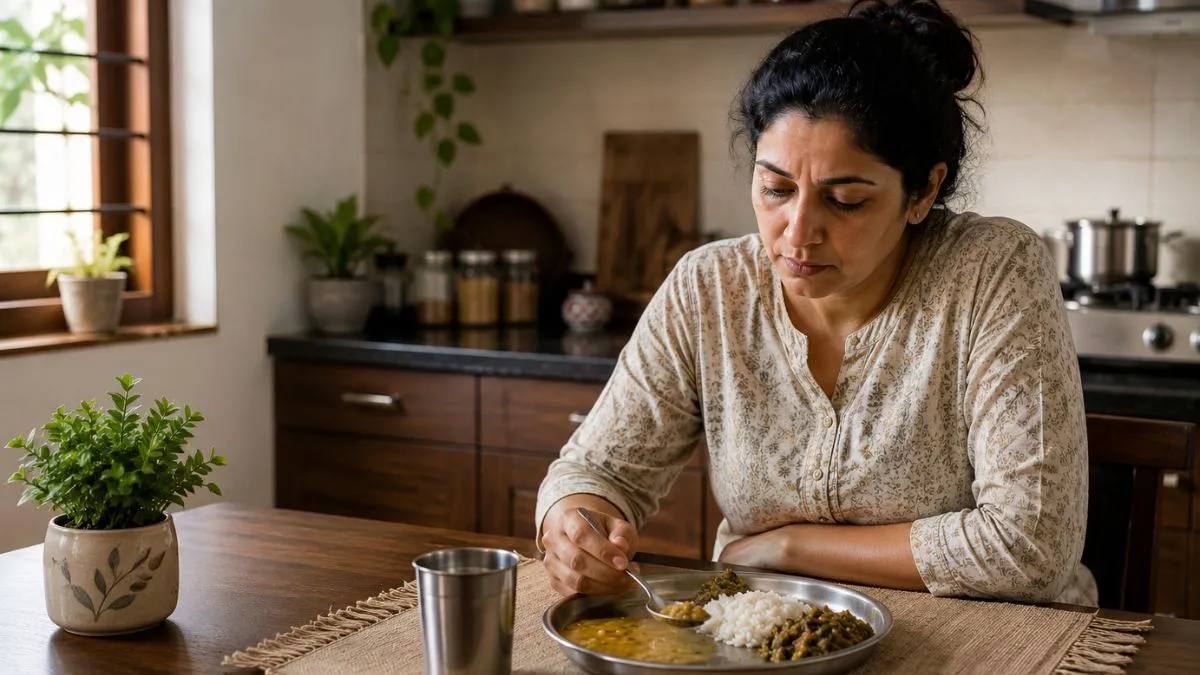
In countless Indian households, mothers are often the first to enter the kitchen and the last to eat. While the rest of the family finishes dinner together, many women are still serving food, cleaning up, or waiting until everyone else is satisfied before finally sitting down themselves. By then, meals are cold, hunger has been ignored for hours, and eating becomes more of a routine than nourishment.
This deeply normalised behaviour is now increasingly being recognised as “Last Plate Syndrome” — a silent but widespread habit that may affect women’s nutrition, energy, and long-term health.
According to Misba Begum Hussain Masthan from Apollo Clinic, many mothers unintentionally prioritise everyone else’s meals while continuously delaying or neglecting their own dietary needs.
What Is ‘Last Plate Syndrome’?
“Last Plate Syndrome” refers to the pattern where mothers or caregivers:
- Serve everyone first
- Eat only after the family finishes
- Skip meals due to household work
- Consume leftovers or reduced portions
- Ignore hunger for long periods
Experts say this behaviour is not usually intentional neglect. Instead, it develops gradually through caregiving responsibilities, social expectations, and family habits that become deeply rooted over time.
In many homes, eating last is even seen as an act of care or sacrifice, making the issue harder to recognise as a health concern.
Why Eating Late Regularly Can Be Harmful
Nutritionists warn that constantly postponing meals may quietly affect both physical and mental health.
Long gaps without food can lead to:
- Fatigue
- Irritability
- Headaches
- Difficulty concentrating
- Low energy levels
- Mood swings
Over time, irregular eating patterns may also disturb:
- Blood sugar balance
- Digestion
- Hormonal health
- Metabolism
Nutritional Deficiencies Women May Develop
According to experts, mothers who consistently eat late or consume inadequate meals may be at greater risk of nutritional deficiencies involving:
- Iron
- Vitamin B12
- Calcium
- Protein
These deficiencies can contribute to:
- Anaemia
- Weak bones
- Muscle weakness
- Hair fall
- Reduced immunity
- Persistent tiredness
In the long run, poor eating patterns may also increase the risk of:
- Diabetes
- High blood pressure
- Obesity linked to irregular metabolism
- Osteoporosis
🏠 Why This Habit Is Common in Indian Families
The syndrome is closely linked to cultural and social expectations.
Many women grow up believing:
- Family members should eat first
- Mothers should keep serving until everyone is done
- Personal hunger can wait
- Self-care is secondary to caregiving
Because the behaviour has existed for generations, families often fail to notice its emotional and nutritional consequences.
Experts say the issue is less about food itself and more about the invisible burden of caregiving.
Small Changes Can Improve Women’s Nutrition
Health specialists say improving nutrition does not require expensive diets or major lifestyle changes.
Simple everyday habits can help significantly:
- Eating meals on time
- Avoiding long gaps without food
- Drinking enough water
- Keeping healthy snacks nearby
- Sitting down to eat properly
Foods Experts Recommend Including Daily
Nutritionists advise adding simple nutrient-rich foods commonly available in Indian kitchens, such as:
- Dal
- Curd
- Eggs
- Fruits
- Nuts
- Sprouts
- Green vegetables
These foods support:
- Better iron levels
- Bone health
- Energy production
- Muscle strength
- Overall immunity
Family Support Matters Too
Experts stress that women’s nutrition should not be treated as a personal responsibility alone.
Families can support mothers by:
- Sharing cooking duties
- Helping with serving food
- Encouraging everyone to eat together
- Respecting meal timings for all family members equally
Even small changes in household behaviour can positively affect both emotional well-being and physical health.
Why ‘Last Plate Syndrome’ Is Resonating Online
The phrase has gained attention because many women instantly recognise the pattern from their own lives. Social media discussions around the topic have highlighted how everyday routines that seem “normal” can quietly affect women’s health over years.
For many readers, the conversation reflects:
- Emotional labour within families
- Invisible caregiving responsibilities
- The need to prioritise women’s health without guilt
Experts believe appreciation for mothers should extend beyond celebrations and include consistent care for their physical and emotional well-being.
Final Takeaway
“Last Plate Syndrome” may appear like a small household habit, but health experts say repeated nutritional neglect can have long-term effects on women’s health. Recognising the issue early, encouraging healthier family routines, and ensuring mothers eat on time can help improve both nutrition and overall well-being.
Festivals
Vat Savitri Vrat 2026: Complete Puja Samagri List, Rituals, Significance and Important Traditions


Vat Savitri Vrat is one of the most sacred fasting rituals observed by married Hindu women, especially in North India, Maharashtra, Bihar and parts of eastern India. The vrat is dedicated to Goddess Savitri, whose devotion and determination are believed to have brought her husband Satyavan back to life from Lord Yama.
In 2026, Vat Savitri Vrat will be observed on Saturday, May 16 on the occasion of Vat Amavasya.
Women observe the vrat for:
- Long life of their husbands
- Family prosperity
- Marital happiness and well-being
The central ritual of the festival involves worshipping the sacred banyan tree (Vat Vriksha), which symbolises immortality, strength and longevity in Hindu tradition.
Complete Vat Savitri Puja Samagri List 2026
Before beginning the puja, devotees usually gather all required items in advance.
Essential Puja Items
- Bamboo basket or puja thali
- Roli (kumkum)
- Haldi (turmeric powder)
- Akshat (unbroken rice grains)
- Kalash filled with clean water
- Gangajal
- Incense sticks (agarbatti)
- Camphor (kapoor)
- Desi ghee diya
- Cotton wicks
Flowers & Offerings
- Fresh flowers
- Flower garlands
- Fruits
- Seasonal sweets
- Prasad items
- Soaked black chana or gram
Traditional Ritual Items
- Coconut
- Betel leaves (paan)
- Supari (betel nut)
- Milk and curd
- Sacred red or yellow thread
- Raw cotton thread for wrapping around banyan tree
Suhag Items
- Bangles
- Bindi
- Sindoor
- Chunari or new clothes
- Mehendi (optional)
These items symbolise marital prosperity and are considered auspicious during the vrat.
Banyan Tree Worship Items
- Banyan tree leaves or branch (if worshipping at home)
- Water for offering to the tree
- Puja mat or cloth for sitting
Why Is the Banyan Tree Worshipped?
The banyan tree, known as Vat Vriksha, holds deep spiritual significance in Hinduism.
It symbolises:
- Longevity
- Stability
- Eternal life
- Protection of family
During the puja, married women tie sacred threads around the tree while praying for the long and healthy life of their husbands.
Story Behind Vat Savitri Vrat
The vrat is associated with the legendary tale of Savitri and Satyavan.
According to Hindu mythology:
- Savitri was deeply devoted to her husband Satyavan
- When Lord Yama came to take Satyavan’s soul, Savitri followed him with unwavering determination
- Impressed by her devotion and intelligence, Lord Yama restored Satyavan’s life
This story symbolises:
- Faith
- Devotion
- Strength of marital commitment
Important Rituals of Vat Savitri Vrat
Women observing the vrat usually:
- Wake up early and bathe before sunrise
- Wear traditional and auspicious attire
- Observe nirjala or partial fast
- Worship the banyan tree
- Listen to or recite Savitri-Satyavan Katha
- Offer fruits, flowers and prasad
- Perform parikrama (circumambulation) of the tree while tying thread
In many communities, women also exchange puja items and blessings after completing the rituals.
Spiritual Importance of the Vrat
Vat Savitri Vrat is not just about fasting but also reflects:
- Dedication toward family
- Spiritual discipline
- Cultural traditions passed across generations
The vrat remains an important part of Hindu marital customs and continues to be observed with devotion across India.
Final Note
Devotees are advised to arrange all puja materials a day before the vrat to ensure smooth rituals on the auspicious day. Traditions and rituals may vary slightly depending on region and family customs.

A major change has officially been introduced in women’s healthcare terminology. What was previously known as Polycystic Ovary Syndrome or PCOS will now be referred to as Polyendocrine Metabolic Ovarian Syndrome (PMOS).
Medical experts involved in the renaming say the old term “PCOS” was medically misleading because it focused heavily on ovarian cysts, even though the condition affects multiple hormonal and metabolic systems throughout the body.
The decision follows years of international consultation involving doctors, researchers, endocrinologists, healthcare organisations and patient advocacy groups.
Why experts wanted to change the name
According to Helena Teede from Monash University, the original term never accurately described the actual condition.
Doctors explained that many women diagnosed with PCOS do not have true ovarian cysts at all. Instead, they often have what specialists call “arrested follicles,” where eggs stop developing properly because of hormonal imbalances.
The older name created confusion for patients because:
- Ovarian cysts are not required for diagnosis
- Many patients never develop actual cysts
- The condition impacts hormones, metabolism and mental health too
- It can affect fertility, insulin resistance, skin health and weight management
Experts believe the new name PMOS better reflects the broader endocrine and metabolic nature of the condition.
What does PMOS stand for?
PMOS = Polyendocrine Metabolic Ovarian Syndrome
The new term highlights three major areas affected by the condition:
1. Polyendocrine
This refers to the involvement of multiple hormones and endocrine systems in the body.
2. Metabolic
Many women with PMOS experience:
- Insulin resistance
- Weight gain
- Difficulty losing weight
- Increased diabetes risk
- Cholesterol imbalance
3. Ovarian
The ovaries are still involved, particularly in ovulation and reproductive health, but they are no longer considered the sole focus of the condition.
Why the word “polycystic” was considered inaccurate
When doctors first described the condition decades ago, ovaries appeared uneven or bumpy during surgeries and scans. At the time, these structures were assumed to be cysts.
However, researchers now clarify that these are not the same as pathological ovarian cysts, which:
- Grow abnormally
- Cause severe pain
- Rupture or bleed
- Sometimes require surgery
Instead, PMOS is primarily linked to immature or undeveloped follicles caused by hormonal disruption.
This distinction became one of the strongest reasons behind the renaming effort.
Global consultation behind the PMOS decision
The renaming process reportedly involved:
- Thousands of patients worldwide
- Medical specialists and researchers
- More than 50 healthcare and academic organisations
- Endocrinologists and reproductive health experts
Unlike previous attempts, experts say this process was more transparent and community-driven.
Doctors also debated whether the familiar acronym “PCOS” should remain unchanged to avoid confusion. However, survey participants reportedly prioritised medical accuracy over convenience.
Symptoms commonly linked to PMOS
Although symptoms vary from person to person, PMOS may involve:
- Irregular periods
- Excess facial or body hair
- Acne and oily skin
- Hair thinning or hair loss
- Weight gain
- Difficulty conceiving
- Insulin resistance
- Fatigue
- Mood changes or anxiety
Experts say many women remain undiagnosed for years because symptoms often develop gradually.
Experts stress that PMOS is treatable
Doctors emphasise that PMOS does not automatically mean infertility. Many women with the condition are able to conceive naturally or with proper medical support.
According to experts, early diagnosis and lifestyle management play a major role in improving outcomes.
Treatment plans may include:
- Diet and exercise changes
- Hormonal therapy
- Insulin management medication
- Fertility treatment when required
- Stress and mental health support
Could there be a male version of PMOS?
Some researchers are also studying whether a related hormonal-metabolic condition may exist in men.
Preliminary studies have explored symptoms such as:
- Insulin resistance
- Obesity
- Hormonal imbalance
- Sparse hair growth
- Early balding
- Mental health issues
However, experts caution that research in this area remains inconclusive and scientifically premature.
Medical terminology may continue to change
Researchers also plan to gradually update diagnostic language used in scans and reports. Terms like “polycystic ovarian morphology” may eventually be replaced with terminology that better reflects arrested follicles and hormonal imbalance.
Healthcare professionals believe these changes could help reduce confusion, stigma and delayed diagnosis among patients.
The transition from PCOS to PMOS is expected to happen gradually through updated medical guidelines, awareness campaigns and healthcare education over the coming years.


⚽ Kolkata Derby Could Decide ISL 2026 Title Race as Five Clubs Wait on Crucial Weekend

Kerala CM Race Intensifies: Posters in Wayanad Target Rahul Gandhi and Priyanka Gandhi Vadra Amid KC Venugopal Speculation

‘Last Plate Syndrome’: Why Many Mothers Eat Last and How It Quietly Affects Their Health

Delhi Police SI Neetu Bisht Caught Taking ₹20 Lakh Bribe – Shocking Details Emerge in Corruption Probe

Ex-Cricketer Shikhar Dhawan Buys Ultra-Luxury Apartment Worth ₹69 Crore in Gurugram

Telegram Channels Disseminating Pro‑Russian Propaganda in Poland
-
 Crime & Investigation1 year ago
Delhi Police SI Neetu Bisht Caught Taking ₹20 Lakh Bribe – Shocking Details Emerge in Corruption Probe
-
 Celebrity Lifestyle1 year ago
Ex-Cricketer Shikhar Dhawan Buys Ultra-Luxury Apartment Worth ₹69 Crore in Gurugram
-
 Glamour & Entertainment1 year ago
Telegram Channels Disseminating Pro‑Russian Propaganda in Poland
-

 Bollywood1 year ago
No ₹3 Lakh Fine or 2-Year Jail: The Truth Behind the ‘Hakla’ GIF Buzz
-

 Travel & Adventure1 year ago
Best Places to Hangout in Delhi (2025): Top 10 Picks for Fun & Chill
-

 Beauty1 year ago
Top 10 Skincare Brands in India Loved by Dermatologists (2025 Update)
-

 Business1 year ago
Amazon sets 30‑day relocation deadline for corporate staff—opt out by resigning in 60 days
-

 Education1 year ago
NEET UG Controversy Explained: Paper Leak, Impersonations & Ongoing Probe