
Lifestyle
Kitchen Island Inspiration: From Functional Prep Zones to Stylish Breakfast Bars


Kitchen islands aren’t just trendy—they’re a game-changer in terms of functionality and design. Whether you need more counter space, seating, or storage, an island can solve multiple problems while adding style to your space.
Choosing the Right Kitchen Island Design
Before you choose an island, ask:
- What’s your primary goal? (prep, seating, storage, all of the above)
- How big is your kitchen?
- Do you need a fixed or portable island?
🔹 Small kitchens: Opt for rolling carts or narrow rectangular islands.
🔹 Large kitchens: Explore L-shaped or double islands with seating and appliances built in.

Kitchen Island Styles to Inspire You
- Minimalist Marble Top Island
- Sleek look, great for modern kitchens
- Doubles as a wine bar or breakfast nook
- Rustic Wood Island
- Warm tones with farmhouse charm
- Adds character to white or neutral kitchens
- Bold Colored Island
- Contrasting shades (navy, forest green)
- Adds a designer pop to your space
- Industrial Chic Island
- Exposed pipes, metal stools, concrete or wood top
- Perfect for loft-style homes
- Vintage Repurposed Island
- Reuse old dressers or butcher blocks
- Budget-friendly + eco-conscious

Smart Storage Solutions for Islands
Use the base of your island wisely:
- Deep drawers for pots/pans
- Hidden pull-out spice racks
- Built-in trash bin or compost drawer
- Slide-out chopping boards
Pro tip: Add power outlets for blenders, mixers, or charging phones.
Seating Ideas for Breakfast Bars
Turn your island into a cozy family hub with smart seating.
- Counter-height stools (24–26 inches): Best for standard-height islands
- Bar-height stools (28–30 inches): For taller island counters
- Backless stools: Tuck away neatly for space-saving
- Upholstered seats: Great for comfort in eat-in kitchens
Add an overhang of 12–18 inches for comfy legroom under the counter.

Multi-Functional Island Features
Go beyond just prep or seating. Modern kitchen islands can include:
- Built-in wine fridge
- Microwave or warming drawer
- Second sink for washing veggies
- Induction cooktop
- Pull-out breakfast trays
Best Materials for Kitchen Islands
| Surface Type | Pros | Ideal For |
|---|---|---|
| Quartz | Durable, modern, low maintenance | Busy kitchens |
| Granite | Heat-resistant, natural beauty | Luxury look |
| Butcher Block | Warm, great for cutting | Rustic charm |
| Stainless Steel | Industrial, hygienic | Commercial-style homes |

Kitchen Island Lighting & Decor Tips
Lighting sets the tone:
- Pendant lights: Hang 2–3 evenly spaced over the island
- Chandeliers: Add elegance to large islands
- LED strips: Under-cabinet glow for ambiance
Add flair with:
- Potted herbs or flowers
- Hanging racks for pans
- Open shelving for books or mugs
Lifestyle
Hanuman Jayanti 2026: Puja Muhurat, Rituals, Significance & What to Do on This Auspicious Day


Hanuman Jayanti, one of the most sacred festivals dedicated to Lord Hanuman, is being celebrated on April 2, 2026 (Thursday) on the occasion of Chaitra Purnima.
Devotees across India observe fasts, offer prayers, and perform special पूजा rituals to seek strength, protection, and courage—qualities symbolized by Bajrangbali.
🕉️ Hanuman Jayanti 2026 Puja Muhurat (Most Auspicious Timings)
This year, there are two highly शुभ (auspicious) time slots for performing puja:
- 🌅 Morning Muhurat: 6:10 AM to 7:44 AM
- 🌇 Evening Muhurat: 6:39 PM to 8:06 PM
Devotees can worship at any time during the day, but these muhurats are considered especially powerful for prayers and rituals.
⏰ Choghadiya Muhurat Timings
- Auspicious (Shubh): 06:10 AM – 07:44 AM
- Labh (Benefit): 12:25 PM – 01:59 PM
- Amrit (Best): 01:59 PM – 03:32 PM
- Auspicious (Shubh): 05:06 PM – 06:39 PM
- Amrit (Best): 06:39 PM – 08:06 PM
These time slots are considered favorable for पूजा, donations, and spiritual activities.
🙏 What to Do on Hanuman Jayanti
On this sacred day, devotees follow several important rituals:
- Observe a fast (vrat) for spiritual discipline
- Visit Hanuman Temple and offer prayers
- Apply chola (sindoor and oil) to Lord Hanuman’s idol
- Recite Sundarkand, believed to remove obstacles
- Worship Lord Rama along with Hanuman
- Offer prasadam like boondi, laddoos, or jaggery
- Donate food, clothes, or money to the needy
🌼 Spiritual Significance of Hanuman Jayanti
Lord Hanuman is revered as a symbol of:
- Strength and courage
- Devotion and loyalty (especially towards Lord Rama)
- Protection from negative energies
- Discipline and self-control
Celebrating Hanuman Jayanti is believed to bring:
- Mental peace
- Protection from evil
- Increased confidence and resilience
🌟 Why This Day Matters
Hanuman Jayanti is not just about rituals—it’s a reminder to build inner strength, stay devoted, and overcome challenges with courage. Whether you perform puja in the morning or evening, faith and sincerity matter the most.
🔔 Final Thought
As devotees celebrate Hanuman Jayanti 2026, it becomes an opportunity to seek blessings for a life filled with strength, positivity, and determination—just like Bajrangbali.
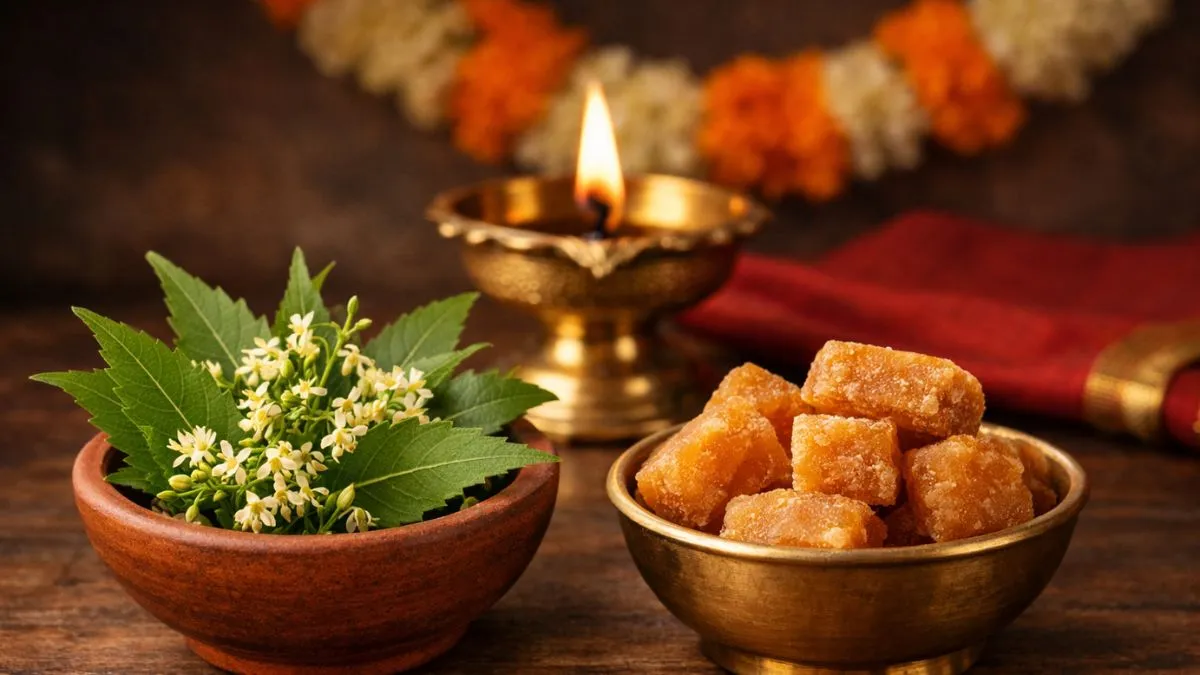
As the Hindu New Year begins with Gudi Padwa and Ugadi, many households across India follow a simple yet meaningful tradition—consuming a mixture of neem and jaggery.
At first glance, this practice may appear symbolic. However, this unique combination of bitter and sweet reflects a deeper connection between seasonal health, nutrition, and cultural wisdom.
More Than a Ritual: A Seasonal Reset
The timing of this tradition is rooted in nature. The Hindu New Year coincides with the transition from winter to spring/summer, a period when the body undergoes subtle changes.
During this phase:
- Digestion may slow or fluctuate
- Immunity can become vulnerable
- Energy levels may shift
According to nutrition experts, traditional food practices like this one are a form of “seasonal intelligence”, designed to help the body adapt naturally.
Why Neem Is Consumed
Neem, known for its strong bitter taste, plays a crucial role in this ritual.
Health Benefits of Neem:
- Contains antimicrobial and anti-inflammatory properties
- Supports liver function and detoxification
- Helps improve digestion and gut balance
- May assist the body in adjusting to seasonal infections
Nutrition experts often describe neem as a natural cleansing agent, helping the body reset after winter indulgence.
Why Jaggery Is Added
Jaggery (gur) balances the bitterness of neem with its natural sweetness while offering its own health benefits.
Benefits of Jaggery:
- Rich in iron, supporting hemoglobin levels
- Aids digestion by stimulating enzymes
- Provides a quick energy boost
- Helps in cleansing the digestive tract
The Science Behind the Combination
The pairing of neem and jaggery is both nutritionally balanced and functionally effective.
- Neem acts as a detoxifier and cleanser
- Jaggery provides energy and nourishment
Together, they:
- Support gut health
- Help in seasonal adaptation
- Balance taste and nutrition
This combination also introduces diverse tastes, which may help in regulating cravings and improving dietary habits.
Cultural and Philosophical Meaning
Beyond health, this ritual carries a deeper symbolic message.
The mix of bitter (neem) and sweet (jaggery) represents:
- Life’s ups and downs
- Acceptance of both joy and challenges
- A reminder to approach the new year with balance and resilience
It reflects the idea that traditional practices are not just about celebration but also about mindfulness and emotional awareness.
A Tradition Rooted in Holistic Living
The practice of consuming neem and jaggery highlights how ancient traditions align with modern health principles.
- Encourages seasonal eating
- Supports digestive and immune health
- Promotes balanced living—physically and emotionally
What may seem like a small ritual is actually a thoughtfully designed lifestyle practice passed down through generations.
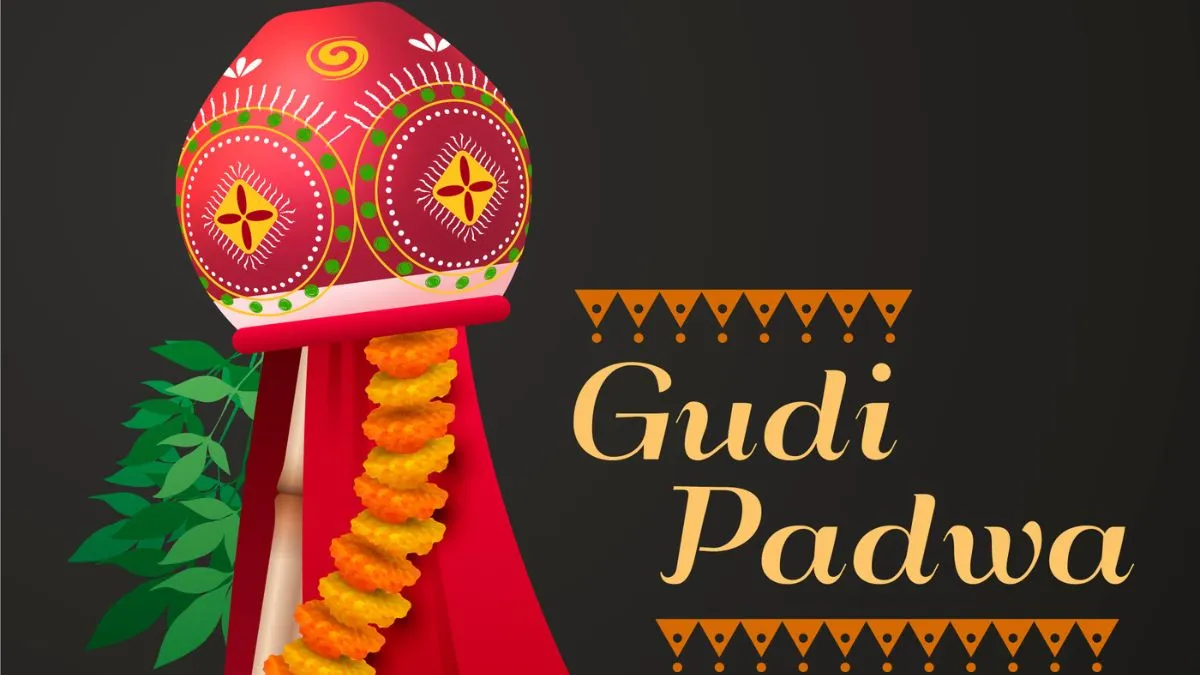
The festival of Gudi Padwa marks the beginning of the Marathi New Year and is also considered the start of the Hindu New Year according to the Vikram Samvat.
Celebrated on the Pratipada (first day) of the Shukla Paksha in the month of Chaitra, this auspicious occasion also coincides with the beginning of Chaitra Navratri.
Across different regions of India, the festival is known by different names. While it is called Gudi Padwa in Maharashtra, it is celebrated as Ugadi in Karnataka and Andhra Pradesh.
Gudi Padwa 2026 Date and Tithi
According to the Hindu Panchang:
- Pratipada Tithi begins: March 19, 2026 at 6:52 AM
- Pratipada Tithi ends: March 20, 2026 at 4:52 AM
Therefore, Gudi Padwa will be celebrated on March 19, 2026 (Thursday).
Auspicious Muhurat for Gudi Padwa 2026
The most favorable time for performing rituals and hoisting the Gudi is during the morning hours.
Shubh Muhurat:
- Best Choghadiya Muhurat: 6:53 AM to 7:57 AM
Other Auspicious Timings:
- Brahma Muhurat: 05:08 AM – 05:56 AM
- Pratah Sandhya: 05:32 AM – 06:44 AM
- Abhijit Muhurat: 12:22 PM – 01:11 PM
- Vijaya Muhurat: 02:47 PM – 03:36 PM
These time slots are considered ideal for prayers, rituals, and starting new ventures.
Significance of Gudi Padwa
Gudi Padwa holds both cultural and spiritual importance.
- The word “Gudi” means a flag or symbol of victory
- It represents success, prosperity, and protection from evil
- The day is believed to mark the creation of the universe by Brahma
The festival signifies new beginnings, hope, and positivity, making it an ideal time to start new work, investments, or personal goals.
Correct Way to Hoist the Gudi
Hoisting the Gudi is the most important ritual of the festival. It is believed to bring good fortune, prosperity, and positive energy into the home.
Ideal Direction
- The Southeast direction (Agni Kona) is considered the most auspicious for placing the Gudi
- It is associated with the fire element, symbolizing energy and strength
How to Prepare the Gudi
A traditional Gudi is made using:
- A long bamboo stick (around 7–8 feet)
- A bright silk cloth (usually saffron or red)
- Neem and mango leaves
- A garland of sugar crystals (gathi)
- An inverted copper or silver pot placed on top
Placement
- Install the Gudi at the main entrance, window, or balcony
- It should be placed at a height where it is clearly visible
- Ensure it faces outward to symbolize victory and welcome prosperity
Rituals While Hoisting
- Offer prayers to deities and seek blessings
- Light incense or a diya
- Chant mantras or perform a small puja
Vastu and Spiritual Beliefs
According to traditional beliefs:
- Hoisting the Gudi helps attract positive energy into the home
- It is associated with planetary benefits, especially Ketu
- It promotes Vastu balance and harmony throughout the year
The Gudi is also seen as a symbol of victory over negativity and obstacles.
Celebration Traditions
People celebrate the day with great enthusiasm, especially in Maharashtra:
- Homes are decorated with rangoli and torans
- People wear new traditional clothes
- Special dishes like Puran Poli and Shrikhand are prepared
- Families come together for prayers and festive meals


Hanuman Jayanti 2026: Puja Muhurat, Rituals, Significance & What to Do on This Auspicious Day

Tristan Stubbs–Prince Yadav Heated Exchange Goes Viral as DC Beat LSG in IPL 2026

Sara Arjun & Ishaan Khatter Spotted Outside Wankhede After Ad Buzz, Video Goes Viral

Ex-Cricketer Shikhar Dhawan Buys Ultra-Luxury Apartment Worth ₹69 Crore in Gurugram

Delhi Police SI Neetu Bisht Caught Taking ₹20 Lakh Bribe – Shocking Details Emerge in Corruption Probe

Telegram Channels Disseminating Pro‑Russian Propaganda in Poland
-
 Celebrity Lifestyle11 months ago
Ex-Cricketer Shikhar Dhawan Buys Ultra-Luxury Apartment Worth ₹69 Crore in Gurugram
-
 Crime & Investigation8 months ago
Delhi Police SI Neetu Bisht Caught Taking ₹20 Lakh Bribe – Shocking Details Emerge in Corruption Probe
-
 Glamour & Entertainment9 months ago
Telegram Channels Disseminating Pro‑Russian Propaganda in Poland
-

 Bollywood8 months ago
No ₹3 Lakh Fine or 2-Year Jail: The Truth Behind the ‘Hakla’ GIF Buzz
-

 Business10 months ago
Amazon sets 30‑day relocation deadline for corporate staff—opt out by resigning in 60 days
-

 Entertainment10 months ago
Abhijeet & Dr Tarika Reunite in CID 2 — Fans Say ‘Clear the Misunderstanding Now
-

 Travel & Adventure10 months ago
Best Places to Hangout in Delhi (2025): Top 10 Picks for Fun & Chill
-

 Economy & Business10 months ago
📈 Indian Stock Market Soars in June 2025 Amid RBI Rate Cut and Foreign Investment Boost