
Food
Nutritionist-Revealed Secret: Wash Dal 3–4 Times, Soak Wisely & Cook to Perfection

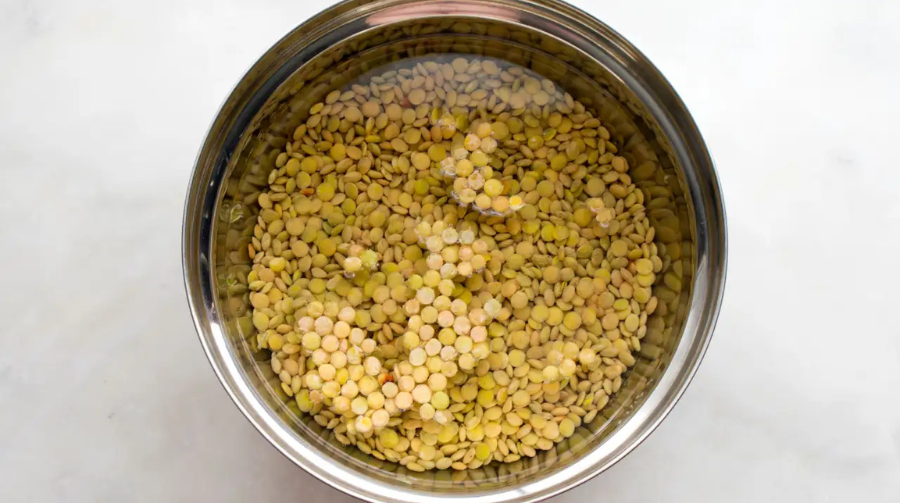
Dal is a staple in South Asian households—not just because it’s affordable and protein-packed, but also rich in fiber, micronutrients, and comfort. However, maximizing its benefits requires more than just boiling it. Nutritionists now emphasize a three-step prep process: washing, soaking, and cooking, to make dal more nutritious, digestible, and delicious.

Wash Thoroughly: Wash 3 to 4 Times Until Water Runs Clear
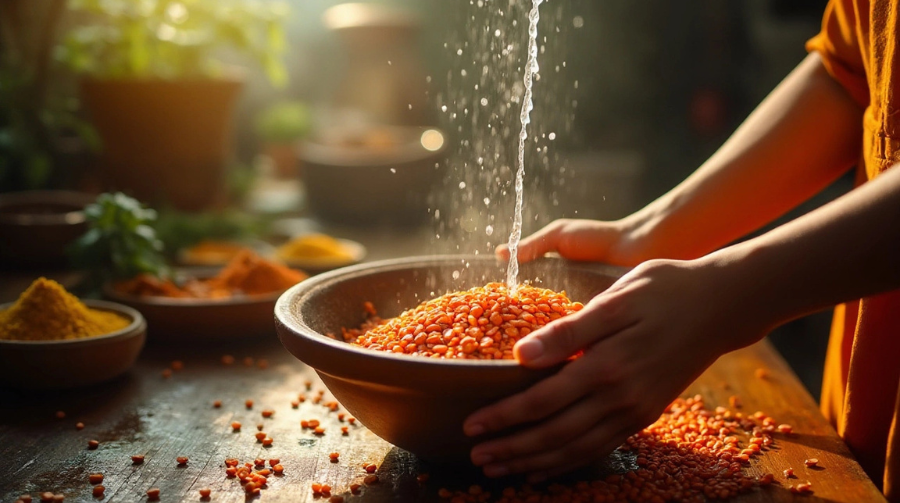
According to a nutritionist featured by India TV, the very first step is washing dal three to four times, rubbing gently with fingers until the rinse water is perfectly clear. This process eliminates dust, impurities, pesticide residues, and excess starch—laying the foundation for a cleaner, healthier dish
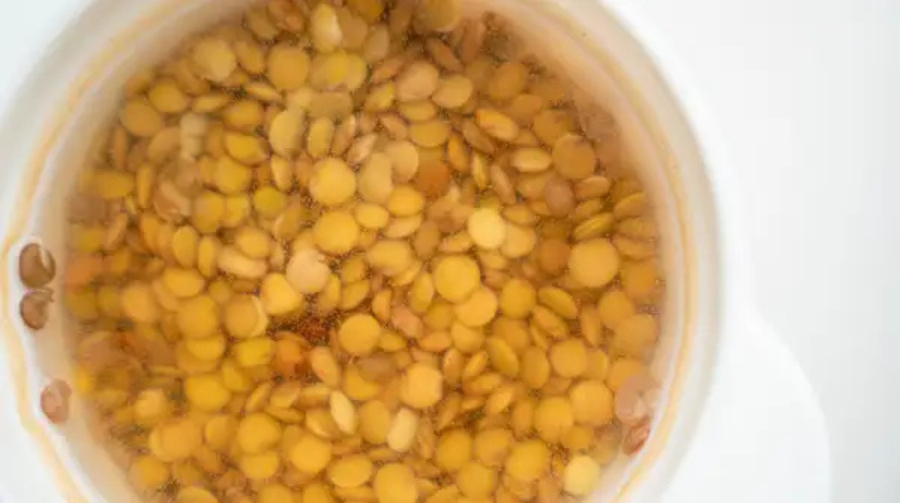
Soak Strategically: Tailor Soaking Time to Dal Type
Soaking isn’t optional—it’s essential for unlocking dal’s full potential:
- Whole dals (moong, toor, urad): soak 4–12 hours (overnight preferred)
- Split dals (moong chilka, masoor, toor): soak 6–8 hours
- Hard legumes (chana, rajma): soak 12–18 hours
Benefits include:
- Reduces compounds like phytates and lectins, enhancing mineral absorption and digestion Cuts down cooking time and ensures even texture

Optimal Water Ratios & Cooking Techniques
- Stovetop method:
- Masoor/moong: 3 cups water per 1 cup dal
- Toor/chana: 3.5–4 cups water per 1 cup dal
- Pressure-cooker method:
- Use slightly less—around 2.5–3 cups water per cup of dal
Additional tips:
- Add salt post-cooking to avoid toughening the dal
- Allow natural pressure release to retain moisture and texture.
- Finish by simmering if soupy, or thinning if too thick.
Enhance Nutrition & Flavor: Tempering and Ingredients
- Use tempering (tadka) with cumin, mustard seeds, garlic, ginger, turmeric, and asafoetida to boost flavor and aid digestion
- Optionally, finish with ghee, fresh herbs, or a squeeze of lemon/tamarind for added nutrition.
- Add leafy greens toward the end for extra vitamins and antioxidants.
Spice It Up & Final Touches
- Don’t skimp on spices—turmeric, coriander, garam masala add depth
- Adjust consistency post-cooking: simmer to thicken, add warm water to loosen.
- Rest dal for a few minutes; it thickens upon cooling naturally.
Why This Method Matters
| Benefit | Outcome |
|---|---|
| Wash 3–4 times | Removes impurities, starch, residues |
| Smart soaking | Improves digestion, nutrient absorption, reduces gas |
| Proper water ratio | Ideal texture without guesswork |
| Post-cook salt + simmer | Creamy consistency, balanced flavor |
| Tempering & spices | Flavor enhancement, better digestion |
TL;DR – Dal Cooking Checklist
- Wash dal 3–4 times until water is clear.
- Soak according to dal type (4–18 hrs).
- Rinse again, then cook with correct water ratio.
- Add salt after cooking, let rest.
- Finish with tempering and optional greens for flavor & nutrition.
By following this method, you’ll enjoy dal that is nutrient-rich, gut-friendly, and bursting with authentic flavor. It’s more than just a dish—it’s wholesome cooking at its best.
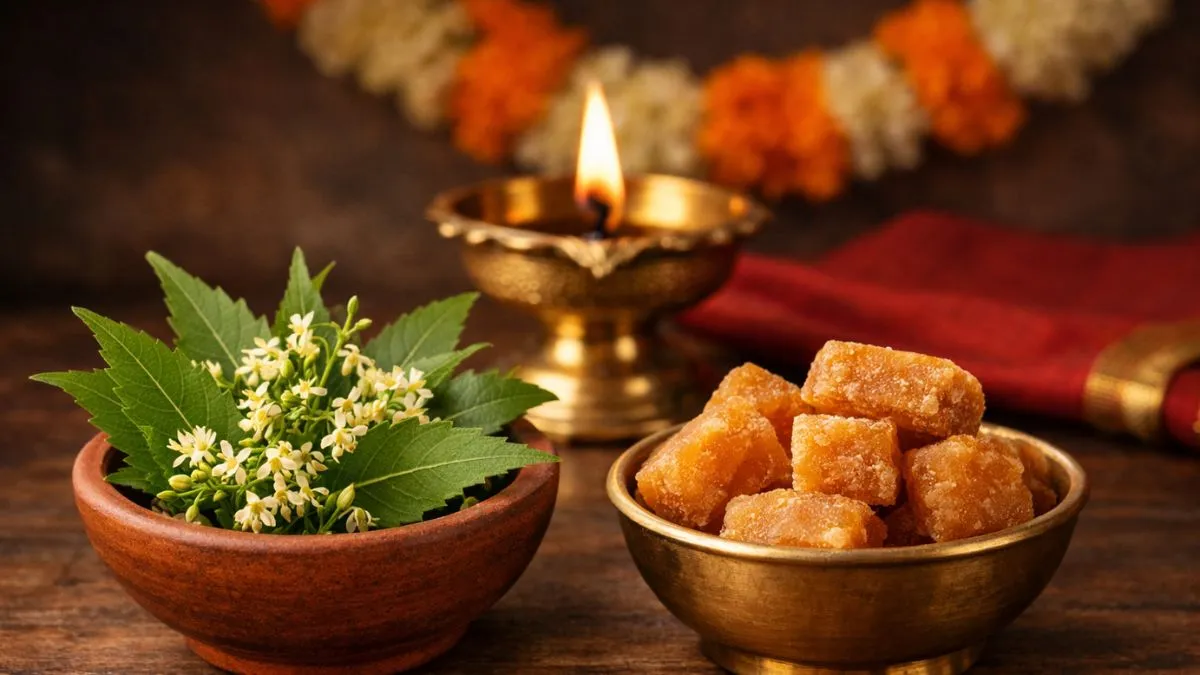
As the Hindu New Year begins with Gudi Padwa and Ugadi, many households across India follow a simple yet meaningful tradition—consuming a mixture of neem and jaggery.
At first glance, this practice may appear symbolic. However, this unique combination of bitter and sweet reflects a deeper connection between seasonal health, nutrition, and cultural wisdom.
More Than a Ritual: A Seasonal Reset
The timing of this tradition is rooted in nature. The Hindu New Year coincides with the transition from winter to spring/summer, a period when the body undergoes subtle changes.
During this phase:
- Digestion may slow or fluctuate
- Immunity can become vulnerable
- Energy levels may shift
According to nutrition experts, traditional food practices like this one are a form of “seasonal intelligence”, designed to help the body adapt naturally.
Why Neem Is Consumed
Neem, known for its strong bitter taste, plays a crucial role in this ritual.
Health Benefits of Neem:
- Contains antimicrobial and anti-inflammatory properties
- Supports liver function and detoxification
- Helps improve digestion and gut balance
- May assist the body in adjusting to seasonal infections
Nutrition experts often describe neem as a natural cleansing agent, helping the body reset after winter indulgence.
Why Jaggery Is Added
Jaggery (gur) balances the bitterness of neem with its natural sweetness while offering its own health benefits.
Benefits of Jaggery:
- Rich in iron, supporting hemoglobin levels
- Aids digestion by stimulating enzymes
- Provides a quick energy boost
- Helps in cleansing the digestive tract
The Science Behind the Combination
The pairing of neem and jaggery is both nutritionally balanced and functionally effective.
- Neem acts as a detoxifier and cleanser
- Jaggery provides energy and nourishment
Together, they:
- Support gut health
- Help in seasonal adaptation
- Balance taste and nutrition
This combination also introduces diverse tastes, which may help in regulating cravings and improving dietary habits.
Cultural and Philosophical Meaning
Beyond health, this ritual carries a deeper symbolic message.
The mix of bitter (neem) and sweet (jaggery) represents:
- Life’s ups and downs
- Acceptance of both joy and challenges
- A reminder to approach the new year with balance and resilience
It reflects the idea that traditional practices are not just about celebration but also about mindfulness and emotional awareness.
A Tradition Rooted in Holistic Living
The practice of consuming neem and jaggery highlights how ancient traditions align with modern health principles.
- Encourages seasonal eating
- Supports digestive and immune health
- Promotes balanced living—physically and emotionally
What may seem like a small ritual is actually a thoughtfully designed lifestyle practice passed down through generations.
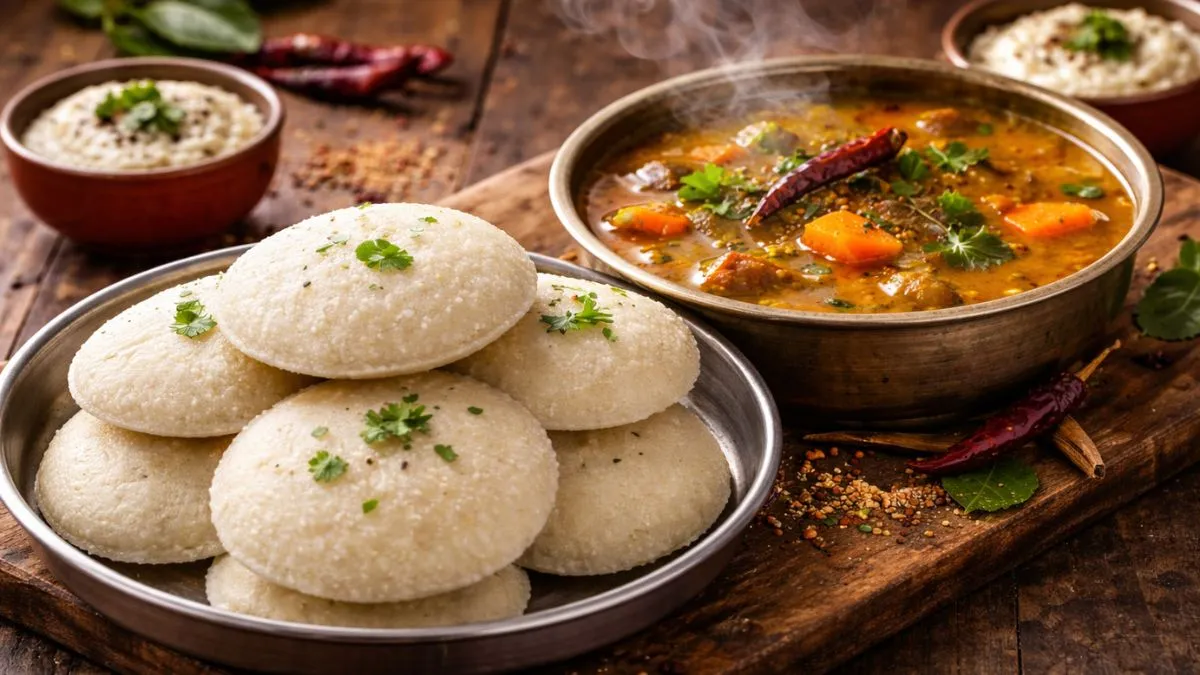
In recent years, health trends have constantly evolved—from detox juices to protein supplements and imported superfoods. However, many people are now rediscovering the value of traditional Indian home-cooked meals, especially as awareness about gut health and digestive wellness grows.
According to celebrity dietician Simrat Kathuria, this renewed interest is not surprising. Traditional Indian foods naturally contain probiotics, fibre, and digestive spices, all of which play an important role in maintaining a healthy gut microbiome.
Understanding the Gut Microbiome
The Gut Microbiome refers to the vast community of microorganisms living in the human digestive system. These microbes play a crucial role in several bodily functions, including:
- Digestion and nutrient absorption
- Immune system regulation
- Metabolism and energy balance
- Mental health through the gut–brain connection
“A healthy gut microbiome supports overall wellbeing,” Kathuria explains. “Many foods that help maintain this balance have long been part of traditional Indian diets.”
Fermented Foods: Natural Sources of Probiotics
One of the biggest strengths of traditional Indian cuisine is the regular use of fermented foods, which naturally contain beneficial bacteria that support digestion.
Common examples include:
- Dahi (yogurt)
- Kanji (fermented carrot or beet drink)
- Idli
- Indian pickles
These foods introduce natural probiotics into the digestive system, helping maintain a healthy balance of gut bacteria.
Regular consumption of fermented foods may help:
- Improve digestion
- Strengthen immunity
- Reduce bloating and digestive discomfort
Fibre-Rich Ingredients in Traditional Diets
Traditional Indian meals are typically built around whole grains, lentils, vegetables, and millets, all of which are rich sources of dietary fibre.
Examples include:
- **Millet grains such as bajra and jowar
- **Lentil dishes like dal
- Whole wheat rotis
- Seasonal vegetables
Fibre plays a crucial role in digestive health because it:
- Feeds beneficial gut bacteria
- Supports regular bowel movements
- Helps regulate blood sugar levels
- Contributes to long-term metabolic health
Modern diets filled with ultra-processed foods often lack this fibre diversity, which can negatively impact digestive health.
Digestive Benefits of Traditional Indian Spices
Another important feature of Indian cooking is the daily use of spices known for their medicinal and digestive properties.
Some commonly used spices include:
- Turmeric
- Cumin
- Ginger
- Ajwain
These spices are known for their anti-inflammatory, antioxidant, and digestive-supporting properties. They help stimulate digestive enzymes, reduce inflammation, and protect the stomach lining.
For centuries, these ingredients have been used not only for flavor but also as part of traditional wellness practices such as Ayurveda.
Why People Are Returning to Traditional Meals
The growing awareness of gut health has encouraged many individuals to rethink their eating habits. Traditional Indian meals offer several advantages:
- Balanced nutrition from whole ingredients
- Seasonal produce that aligns with natural cycles
- Minimal processing compared to packaged foods
- Slow cooking methods that preserve nutrients
Unlike modern fad diets, traditional meals focus on variety, moderation, and balance.
A Simple Way to Improve Gut Health
According to Simrat Kathuria, improving gut health does not always require complicated diet plans or expensive superfoods.
Sometimes the most effective approach is simply returning to familiar foods that have been part of Indian kitchens for generations—dal simmering on the stove, freshly prepared vegetables, homemade yogurt, and spices warming gently in a pan.
These everyday foods may not seem trendy, but they provide a powerful foundation for digestive health and overall wellbeing.

Few dishes capture the essence of Indian street food quite like Pav Bhaji. The spicy mashed vegetable curry paired with soft butter-toasted buns has long been a favourite comfort food across India, especially in cities like Mumbai where the dish originated.
While the traditional version is rich in butter and refined ingredients, it can easily be made healthier with a few simple adjustments. By adding more vegetables, reducing the amount of butter, and switching to whole-wheat or multigrain buns, you can enjoy the same bold flavours in a more balanced and nutritious way.
This healthy pav bhaji recipe is perfect for a wholesome family meal that still delivers the authentic street-food taste.
Why make a healthier pav bhaji?
Traditional pav bhaji often contains large amounts of butter and refined white bread. A healthier version:
- Increases fibre with whole-wheat buns
- Adds more vegetables for vitamins and minerals
- Reduces saturated fat by limiting butter
- Keeps the flavour intact using spices and fresh herbs
These small changes transform the dish into a nutrient-rich comfort meal.
Ingredients for healthy pav bhaji
Vegetables
- 2 medium potatoes, boiled and mashed
- 1 cup cauliflower, finely chopped
- 1 carrot, finely chopped
- ½ cup green peas
- 1 small capsicum, chopped
- 2 tomatoes, finely chopped
- 1 onion, finely chopped
Spices and seasoning
- 2 teaspoons ginger-garlic paste
- 1–2 teaspoons pav bhaji masala
- ½ teaspoon turmeric powder
- ½ teaspoon red chilli powder (adjust to taste)
- Salt to taste
Cooking ingredients
- 1 tablespoon oil
- 1 teaspoon butter (optional, for flavour)
- Fresh coriander leaves, chopped
- Lemon wedges
For serving
- Whole-wheat pav or multigrain buns
- Chopped onions
- Extra coriander
How to make healthy pav bhaji
1. Cook the onions and aromatics
Heat oil in a deep pan or kadhai. Add the chopped onions and sauté until they become soft and slightly translucent. Add ginger-garlic paste and cook for about a minute until fragrant.
2. Prepare the base
Add the chopped tomatoes and cook until they soften and form a thick paste. This will create the flavourful base for the bhaji.
3. Add vegetables
Mix in cauliflower, carrot, capsicum and green peas. Cook them for a few minutes until they begin to soften but still retain some texture.
4. Add spices
Add turmeric powder, red chilli powder and pav bhaji masala. Stir well so that all the vegetables are coated with the spices.
5. Mash and simmer
Add the boiled potatoes and mash the mixture using a potato masher. Pour a little water to achieve a thick, smooth consistency. Let the mixture simmer for about 10 minutes so the flavours blend well.
6. Finish with flavour
Add a small amount of butter (optional), freshly chopped coriander and a squeeze of lemon juice. Mix well and turn off the heat.
7. Toast the pav
Slice the whole-wheat pav buns and toast them lightly on a pan using a small amount of butter or olive oil until golden and crisp.
Serving suggestion
Serve the hot bhaji with toasted whole-wheat pav, chopped onions, fresh coriander and lemon wedges.
The combination of fibre-rich buns and nutrient-packed vegetables makes this version of pav bhaji both flavourful and wholesome.
Tips to make pav bhaji even healthier
- Add extra vegetables such as beetroot, spinach or zucchini for more nutrients.
- Replace butter with olive oil or ghee in small amounts.
- Use low-salt pav bhaji masala if you are monitoring sodium intake.
- Serve with a side salad for a more balanced meal.


Sara Arjun & Ishaan Khatter Spotted Outside Wankhede After Ad Buzz, Video Goes Viral

Rohit Sharma–Ryan Rickelton Create History as Mumbai Indians Beat KKR in IPL 2026 Thriller

Australia Women Dominate West Indies in 1st ODI Despite Stafanie Taylor’s Heroics

Ex-Cricketer Shikhar Dhawan Buys Ultra-Luxury Apartment Worth ₹69 Crore in Gurugram

Delhi Police SI Neetu Bisht Caught Taking ₹20 Lakh Bribe – Shocking Details Emerge in Corruption Probe

Telegram Channels Disseminating Pro‑Russian Propaganda in Poland
-
 Celebrity Lifestyle11 months ago
Ex-Cricketer Shikhar Dhawan Buys Ultra-Luxury Apartment Worth ₹69 Crore in Gurugram
-
 Crime & Investigation8 months ago
Delhi Police SI Neetu Bisht Caught Taking ₹20 Lakh Bribe – Shocking Details Emerge in Corruption Probe
-
 Glamour & Entertainment9 months ago
Telegram Channels Disseminating Pro‑Russian Propaganda in Poland
-

 Bollywood8 months ago
No ₹3 Lakh Fine or 2-Year Jail: The Truth Behind the ‘Hakla’ GIF Buzz
-

 Entertainment10 months ago
Abhijeet & Dr Tarika Reunite in CID 2 — Fans Say ‘Clear the Misunderstanding Now
-

 Business10 months ago
Amazon sets 30‑day relocation deadline for corporate staff—opt out by resigning in 60 days
-

 Travel & Adventure9 months ago
Best Places to Hangout in Delhi (2025): Top 10 Picks for Fun & Chill
-

 Economy & Business10 months ago
📈 Indian Stock Market Soars in June 2025 Amid RBI Rate Cut and Foreign Investment Boost