
Health & Wellness
Diabetes and Vision Loss: What Every Senior Must Know This World Senior Citizens’ Day


Diabetes is one of the leading causes of preventable blindness worldwide—and seniors are among the most vulnerable. On the occasion of World Senior Citizens’ Day (August 21, 2025), it is crucial to highlight how diabetes silently affects eyesight and what elderly people can do to preserve vision, independence, and quality of life.
For seniors, protecting their eyesight is about much more than just clarity of vision. It means retaining mobility, independence, and the ability to live life with dignity. Understanding the risks and acting early can make all the difference.

How Diabetes Damages the Eyes
When blood sugar levels remain high, they damage the tiny blood vessels in the retina and other parts of the eye. This leads to progressive complications, often without early symptoms. By the time vision changes are noticeable, significant damage may already have occurred.
Common diabetes-related eye conditions include:
- Diabetic Retinopathy – Damage to the retina from leaky or blocked blood vessels, often leading to gradual vision loss.
- Diabetic Macular Oedema – Swelling in the macula (central retina) causing blurred or distorted vision.
- Cataracts – Clouding of the lens that progresses faster in people with diabetes.
- Glaucoma – Higher eye pressure damaging the optic nerve, sometimes called the “silent thief of sight.”
⚠️ The challenge: Many of these conditions develop without pain or noticeable early signs, which is why regular eye checkups are non-negotiable for seniors with diabetes.
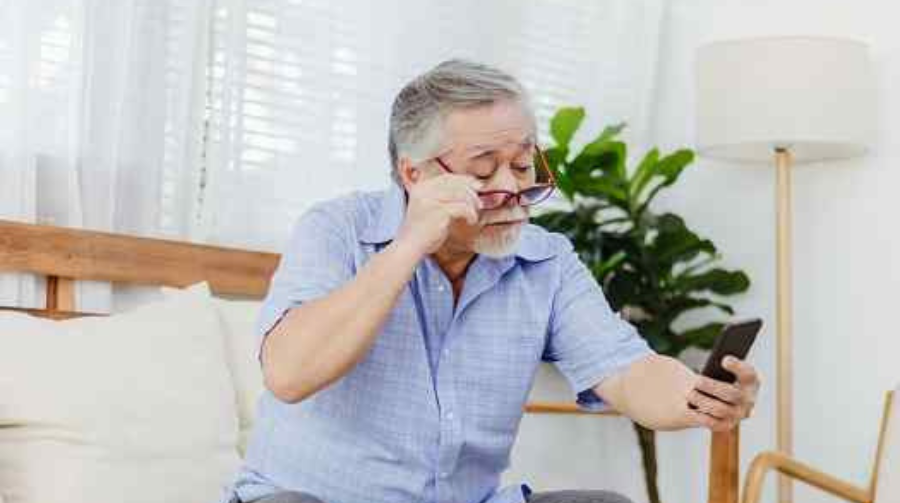
Expert Advice: Don’t Wait for Symptoms
According to Dr. Samina Zamindar, MS, DO (Ophth), CMD – Zamindar Microsurgical Eye Centre, Bangalore:
She warns that waiting until central vision is affected may be too late to prevent permanent damage.
How Seniors Can Protect Their Eyes from Diabetes Damage
👁 1. Schedule Annual Eye Exams
- A comprehensive dilated eye exam once a year can catch early damage.
- Seniors with existing eye problems may need more frequent checkups.
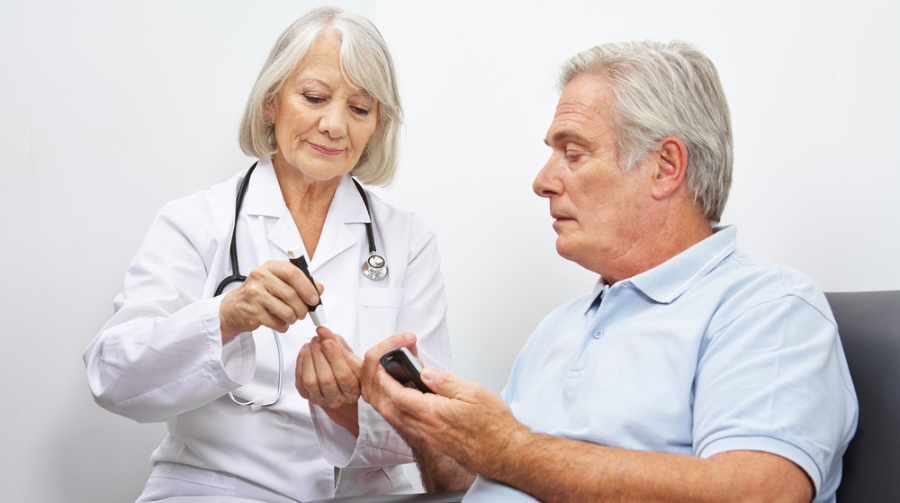
💉 2. Control Blood Sugar Levels
- Keep HbA1c within the target range (usually <7%, as advised by a doctor).
- Sudden spikes and long-term uncontrolled sugar worsen blood vessel damage.
❤️ 3. Manage Blood Pressure and Cholesterol
- High BP and cholesterol accelerate eye complications.
- Medication adherence is key.
🥦 4. Follow a Balanced Diet
- Include green leafy vegetables, nuts, and foods rich in omega-3 fatty acids.
- Limit refined sugars and processed foods.
🚭 5. Quit Smoking
- Smoking doubles the risk of diabetic complications, including vision loss.
⚠️ 6. Report Early Symptoms Immediately
- Blurred vision, floaters, dark spots, trouble seeing at night, or sudden vision changes must never be ignored.
🧘 7. Lifestyle and Stress Management
- Stress worsens diabetes control, indirectly harming vision.
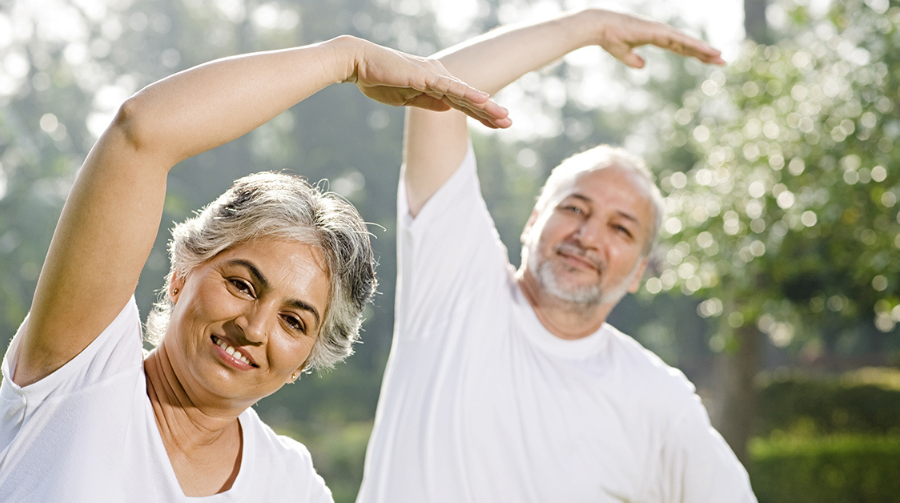
- Gentle exercises like yoga, meditation, and walking can help.
Why Eye Care Is Crucial for Seniors with Diabetes
- Vision = Independence: Loss of sight affects daily activities, mobility, and mental well-being.
- Emotional Health: Vision impairment is linked to higher rates of depression and anxiety in seniors.
- Fall Prevention: Good eyesight reduces the risk of falls and fractures.
- Quality of Life: With preventive care, seniors can continue to read, socialize, and enjoy hobbies.
Conclusion
Diabetes-related eye complications are preventable and treatable if detected early. This World Senior Citizens’ Day 2025, let us remind ourselves and our loved ones that a yearly eye exam, strict sugar control, and healthy lifestyle choices can save vision.
For seniors, safeguarding eyesight is not just about health—it’s about preserving freedom, dignity, and the joy of seeing life’s moments clearly.
👁️🗨️ Remember: “Your eyes don’t hurt when diabetes starts damaging them—but ignoring them can cost you your sight.”

such as sleep quality, stress management, and consistent eating patterns also influence metabolic balance.
Rethinking What “Healthy” Really Means
Experts increasingly stress that health cannot be judged purely by appearance. A person may appear slim but still have underlying metabolic risks.
“True health is about how efficiently the body processes food, regulates energy, and responds to stress,” Dr Bhandary says.
Rather than focusing only on body weight, experts recommend adopting a holistic approach to health, which includes balanced nutrition, regular physical activity, good sleep, and routine health check-ups.
“Real prevention is not about trying to be thin,” Dr Bhandary concludes. “It is about building a lifestyle that supports the body’s internal balance and long-term wellbeing.”

Getting vaccinated against the Human Papillomavirus (HPV) is a crucial step in protecting both girls and boys from HPV-related infections and cancers, including cervical, anal, and throat cancers. While the HPV vaccine is proven to be safe and effective, following simple aftercare measures can help reduce discomfort and ensure a smooth recovery.
Doctors recommend HPV vaccination for children, adolescents, and young adults, and in certain cases, for older age groups as well. Parents are advised to vaccinate their children as per medical guidance to ensure long-term protection.
According to Dr Pratima Thamke, Consultant Obstetrician and Gynaecologist at Motherhood Hospital, Kharghar, Mumbai, proper aftercare plays an important role in managing mild side effects and supporting the body’s immune response after vaccination.
What to Expect After the HPV Vaccine
Most people experience mild and temporary side effects, which usually resolve within 2–3 days. These reactions are a normal sign that the body is building protection against the virus.
Common post-vaccination effects include:
- Pain, redness, or swelling at the injection site
- Mild fever
- Headache or fatigue
- Dizziness or lightheadedness
- Body aches
Teenagers, in particular, may feel faint shortly after the injection, which is why monitoring is essential.
HPV Vaccine Aftercare: Do’s
✔ Stay at the clinic for 15–30 minutes after vaccination to monitor for rare allergic reactions or fainting episodes.
✔ Sit or lie down if feeling dizzy, especially in adolescents, to prevent falls or injuries.
✔ Apply a clean, cool compress to the injection site to reduce pain and swelling.
✔ Move the arm gently instead of keeping it completely still to ease stiffness.
✔ Drink plenty of fluids, including water, soups, and electrolyte drinks, to stay hydrated.
✔ Get adequate rest, allowing the body to recover and respond effectively to the vaccine.
✔ Take medication for pain or fever only if prescribed by a doctor.
✔ Eat a light meal before vaccination, especially for children, to reduce the risk of dizziness.
HPV Vaccine Aftercare: Don’ts
✘ Avoid massaging or rubbing the injection site for at least 24 hours, even if soreness is present.
✘ Do not engage in strenuous physical activity or intense workouts for a day or two after vaccination.
✘ Avoid smoking and alcohol consumption, as they may interfere with recovery and immune response.
✘ Do not self-medicate without medical advice, as improper medication use can be harmful.
✘ Avoid heavy or oily meals, particularly for children and teenagers, immediately after vaccination.
Special Precautions to Keep in Mind
- Contact a doctor immediately if there is a high fever lasting more than 48 hours, severe swelling or redness, intense pain at the injection site, breathing difficulty, or rash.
- Pregnant women should inform their doctor before receiving the HPV vaccine and strictly follow medical guidance.
- If a dose is missed, the vaccination series does not need to be restarted—the remaining dose can be taken as advised by the healthcare provider.
- Completing the full vaccine schedule is essential for maximum protection.
Why HPV Vaccine Aftercare Matters
Proper aftercare helps minimize discomfort, supports the immune system, and ensures the vaccine works effectively. With adequate rest, hydration, and monitoring of mild side effects, most people recover quickly and resume normal daily activities within a short time.
The HPV vaccine remains a critical preventive measure for long-term health. Clearing doubts with a qualified medical expert helps individuals and parents make informed decisions and approach vaccination with confidence.
Disclaimer
The information provided in this article is for general awareness only and should not be considered professional medical advice. Always consult a doctor or qualified healthcare provider for personalized guidance regarding vaccination, side effects, or health concerns.
Health & Wellness
Not Ready for Big Resolutions? Psychologist Shares Simple Mental Health Habits That Truly Help


January often arrives with mixed emotions. While the start of a new year brings hope and motivation, it can also feel overwhelming, loaded with expectations to “do better,” “be happier,” or completely reinvent oneself. Mental health experts say this pressure to change everything at once can do more harm than good.
According to Dr Gauri Raut, Clinical Psychologist at Dr L H Hiranandani Hospital, Powai, mental well-being is not about maintaining constant positivity but about developing a healthy relationship with one’s emotions.
“Good mental health doesn’t mean the absence of stress, sadness, or difficult days,” Dr Raut explains. “It means recognising all emotions—pleasant or unpleasant—and responding to them with balance and awareness.”
Start With Awareness, Not Self-Judgement
One of the simplest and most effective mental health practices to begin the year with is emotional awareness. Feelings like anxiety, irritability, sadness, or frustration are natural human experiences.
“When we pause and notice what we are feeling instead of judging it, we shift from reacting impulsively to responding thoughtfully,” says Dr Raut. This mindful awareness allows people to regulate their emotions rather than feel overwhelmed by them.
She also stresses that having bad days does not indicate failure. “Mental health naturally fluctuates. The goal is not to eliminate difficult emotions but to build resilience so you can recover more quickly and avoid getting stuck.”
Use Movement as Emotional Support
Physical movement plays a powerful role in emotional well-being. Regular activity helps release endorphins, the brain’s natural mood-enhancing chemicals, which reduce stress and promote emotional balance.
“The type of exercise matters less than consistency,” Dr Raut notes. “Walking, yoga, stretching, dancing, or gym workouts—all of these are beneficial when done regularly.”
Setting gentle, realistic movement goals in January, instead of extreme fitness resolutions, increases the likelihood of sustaining the habit long term and experiencing its mental health benefits.
Build a Gentle Daily Structure
Creating a simple routine can significantly support mental stability, especially during uncertain or stressful times. A predictable daily structure provides a sense of safety and control.
“A routine acts as an emotional anchor,” Dr Raut explains. “It helps the mind feel grounded when life feels unpredictable.”
This does not mean rigid planning. Small anchors—like consistent wake-up times, regular meals, defined work hours, and intentional breaks—can help regulate mood and reduce anxiety.
Make Space for Rest and Solitude
In a fast-paced, digitally connected world, rest is often overlooked. January offers a valuable opportunity to slow down and reconnect with oneself.
Taking short breaks from screens, spending time alone, and engaging in calming activities such as reading, listening to music, journaling, or simply sitting quietly can help process emotions and restore mental energy.
“Rest is not laziness,” Dr Raut emphasises. “It’s an essential part of mental health. Balancing work, personal responsibilities, and downtime allows the nervous system to reset.”
Progress Matters More Than Perfection
Perhaps the most important mental health reminder for the new year is to let go of perfectionism. Emotional growth and healing happen gradually.
“Small, consistent practices are far more effective than dramatic changes,” says Dr Raut. “Mental health is built day by day through awareness, movement, routine, and self-compassion.”
January does not require grand resolutions to improve mental well-being. Gentle habits—listening to your emotions, moving your body regularly, maintaining simple routines, and allowing yourself to rest—can quietly strengthen mental health over time.
Starting slowly, staying consistent, and treating yourself with kindness may be the healthiest way to step into the year ahead.


Sara Arjun & Ishaan Khatter Spotted Outside Wankhede After Ad Buzz, Video Goes Viral

Rohit Sharma–Ryan Rickelton Create History as Mumbai Indians Beat KKR in IPL 2026 Thriller

Australia Women Dominate West Indies in 1st ODI Despite Stafanie Taylor’s Heroics

Ex-Cricketer Shikhar Dhawan Buys Ultra-Luxury Apartment Worth ₹69 Crore in Gurugram

Delhi Police SI Neetu Bisht Caught Taking ₹20 Lakh Bribe – Shocking Details Emerge in Corruption Probe

Telegram Channels Disseminating Pro‑Russian Propaganda in Poland
-
 Celebrity Lifestyle11 months ago
Ex-Cricketer Shikhar Dhawan Buys Ultra-Luxury Apartment Worth ₹69 Crore in Gurugram
-
 Crime & Investigation8 months ago
Delhi Police SI Neetu Bisht Caught Taking ₹20 Lakh Bribe – Shocking Details Emerge in Corruption Probe
-
 Glamour & Entertainment9 months ago
Telegram Channels Disseminating Pro‑Russian Propaganda in Poland
-

 Bollywood8 months ago
No ₹3 Lakh Fine or 2-Year Jail: The Truth Behind the ‘Hakla’ GIF Buzz
-

 Entertainment10 months ago
Abhijeet & Dr Tarika Reunite in CID 2 — Fans Say ‘Clear the Misunderstanding Now
-

 Business10 months ago
Amazon sets 30‑day relocation deadline for corporate staff—opt out by resigning in 60 days
-

 Travel & Adventure9 months ago
Best Places to Hangout in Delhi (2025): Top 10 Picks for Fun & Chill
-

 Economy & Business10 months ago
📈 Indian Stock Market Soars in June 2025 Amid RBI Rate Cut and Foreign Investment Boost