
News
War Intensifies: Iran’s Nuclear Sites, Hospitals Hit in Escalating Israel Clash – 10 Big Developments

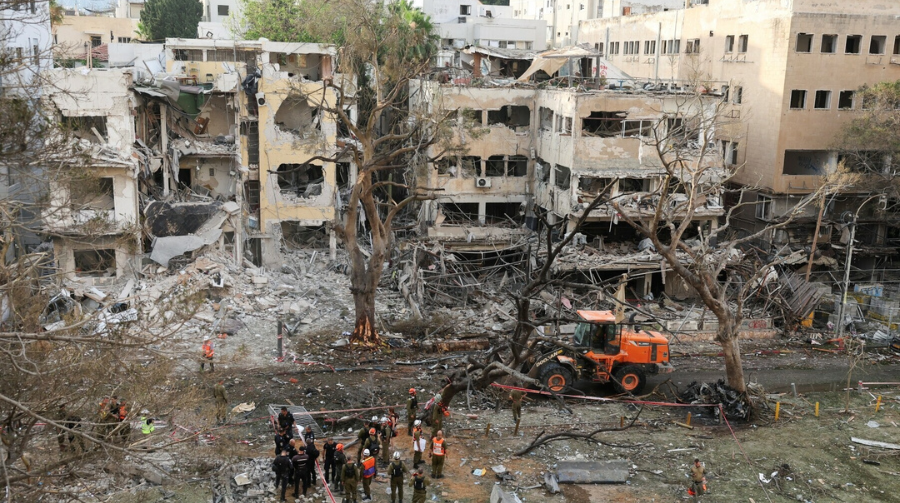
Hospital in Beersheba Hit by Iranian Missiles
Iran fired dozens of ballistic missiles early on June 19, 2025, one striking the Soroka Medical Centre. Dozens were injured; hospital operations impacted but no mass fatalities
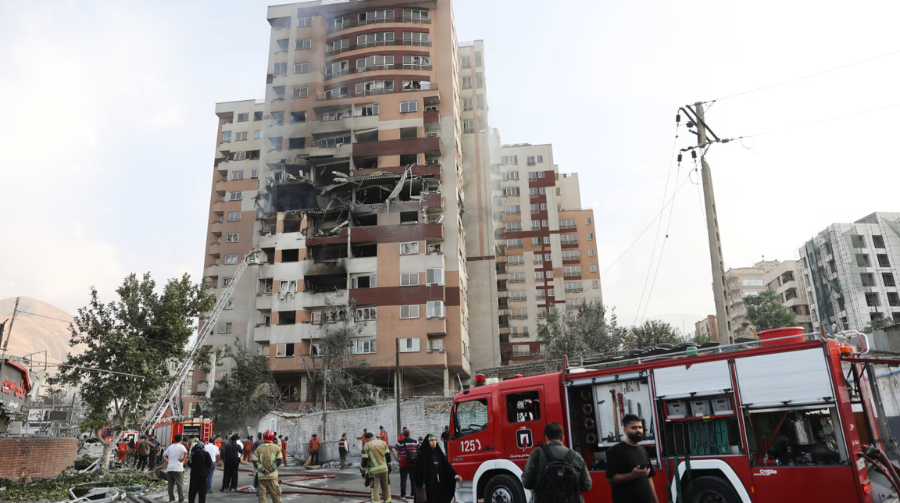
Iranian Sejjil Missiles Deployed
This marks the first battlefield use of Iran’s long‑range, solid‑fuel Sejjil missiles—capable of striking deeply and rapidly in adversary airspace
Israel Strikes Iranian Nuclear Sites
Israeli jets hit heavy‑water reactors near Arak (Khondab) and Natanz, targeting research and weapons development infrastructure

Iran’s Missile Retaliation
Tehran responded with around 400 missiles and drones; some breached Israel’s defenses causing civilian injuries and property damage
Civilian Casualties and Damage
Casualties include over two dozen killed and dozens injured in Israel; Iran reports hundreds of deaths—including 263 civilians—from Israeli strikes
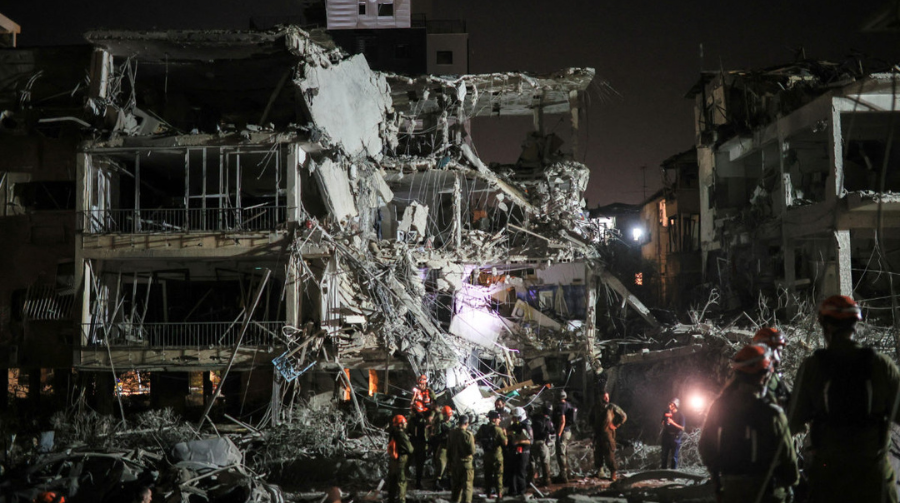
Netanyahu’s Defiant Vow
Israeli PM Benjamin Netanyahu promised to make Tehran’s “tyrants” pay the “full price”, signaling an escalation in attacks
Israel Katz Calls for Regime Destabilization
Defense Minister Katz said the military’s goal includes undermining the Iranian regime and striking symbols of state power
U.S. Considers Joining Campaign
Former U.S. President Trump has approved potential U.S. strike plans, though no final order yet—diplomatic talks may still be possible

Diplomatic & Energy Fallout
Oil prices spiked amid fears of supply disruption; European diplomats—including Germany, France, the UK—are arranging talks in Geneva to de-escalate
Regional Fears and International Watch
With evacuation of foreign nationals underway, civilian airspaces unsafe, and global powers urging restraint, fears of regional war or wider U.S. intervention loom







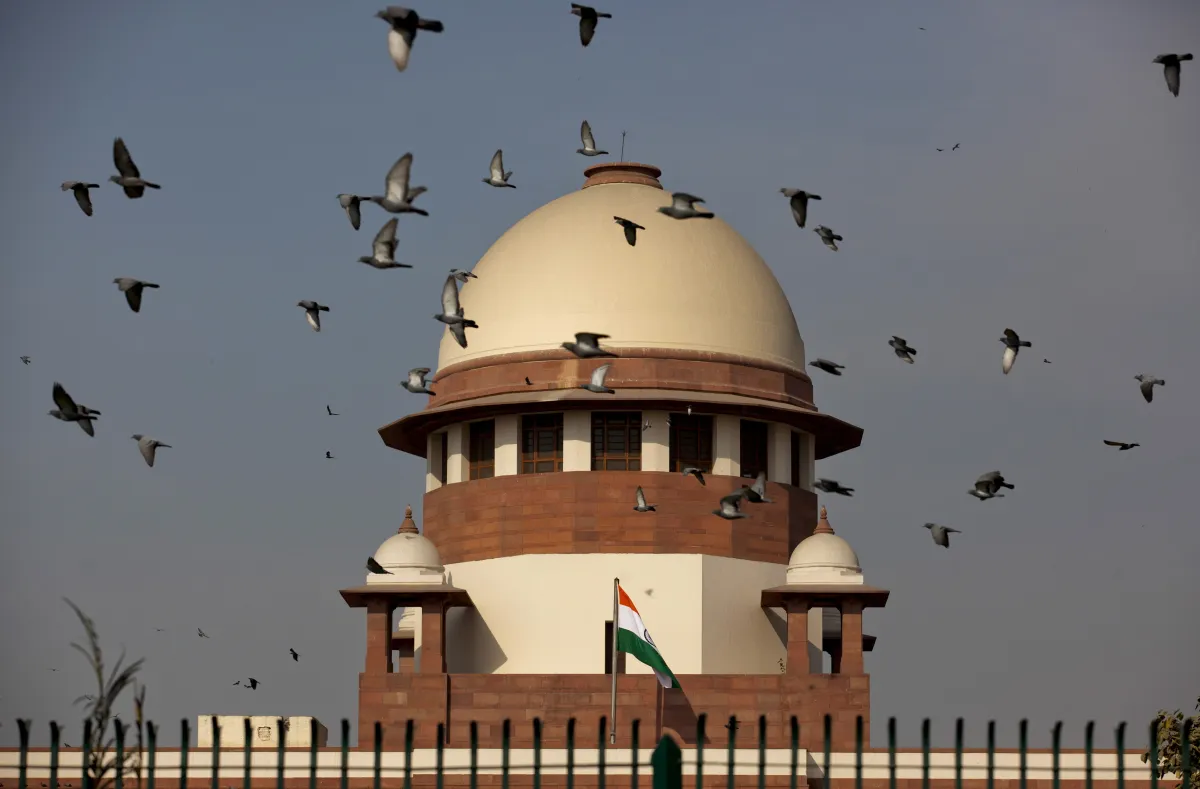
New Delhi: The Supreme Court of India on Thursday strongly criticised the Centre for filing a curative petition against its earlier decision permitting a 15-year-old rape survivor to terminate her 31-week pregnancy.
A bench led by Chief Justice Surya Kant expressed sharp disapproval of the government’s move, asserting that the matter concerns the survivor and her family—not the State. “Give respect to citizens… You have no locus to challenge. Only the victim or her family can do so,” the Chief Justice remarked during the hearing.
Court Emphasises Survivor’s Autonomy
Justice Joymalya Bagchi echoed similar sentiments, stressing the importance of respecting individual choice. “We respect individual choices, and so should you,” he said, underlining that decisions in such sensitive cases must prioritise the survivor’s physical and mental well-being.
The bench noted that the trauma experienced by the minor cannot be quantified and that no legal or institutional intervention can fully compensate for her suffering. It emphasised that parents should be provided with complete medical information and allowed to decide what is in the best interest of the child.
Suggestion to Rethink Legal Time Limits
In a significant observation, the court indicated that existing abortion laws may require reconsideration, particularly in cases involving rape survivors. It stated that rigid gestational limits might not be appropriate in such circumstances.
“When a pregnancy is a result of rape, there should ideally be no time limit. The law must evolve with time and remain responsive to human realities,” the bench observed.
This comment could have broader implications for how India interprets provisions under laws like the Medical Termination of Pregnancy Act, which currently sets gestational limits with certain exceptions.
Centre’s Argument and Court’s Response
The Centre, represented by its law officers, argued that terminating a pregnancy at 31 weeks carries significant medical risks. It suggested that the minor could carry the pregnancy to term and opt for adoption afterward.
However, the court firmly rejected this line of reasoning, highlighting the emotional and psychological toll such a course would impose on the survivor.
“Let the Child Live with Dignity”
In one of the most striking remarks, the bench stated:
The judges stressed that the teenager’s future, education, and mental health must take precedence. Forcing her into motherhood under such traumatic circumstances, the court said, would violate her fundamental rights.
Background of the Case
The Supreme Court had previously allowed the termination of the pregnancy after taking into account medical opinions and the severe mental distress faced by the minor. It ruled that compelling her to continue the pregnancy would infringe upon her right to live with dignity—an essential aspect of the right to life under Article 21 of the Indian Constitution.
Key Takeaway
This case highlights an ongoing tension between legal frameworks, medical considerations, and individual rights. The Supreme Court’s strong stance reinforces the principle that in deeply personal and traumatic situations, the autonomy and dignity of the survivor must remain paramount.
Crime & Investigation
Raja Raghuvanshi Murder Case: Accused Wife Sonam Raghuvanshi Granted Bail by Shillong Court

A court in Shillong has granted bail to Sonam Raghuvanshi, the prime accused in the high-profile murder of her husband Raja Raghuvanshi. The decision, delivered on April 28, 2026, comes nearly a year after the shocking crime that drew nationwide attention.
🧾 Court’s Bail Conditions
While allowing bail, the court imposed strict conditions on Sonam Raghuvanshi:
- She cannot leave Shillong without prior permission
- She must report daily to the local police station
- She must cooperate fully with the ongoing investigation and trial
These measures aim to ensure her availability during legal proceedings.
🔍 Background of the Case
The case dates back to May 2025, when Raja Raghuvanshi, an Indore-based businessman, traveled to Meghalaya with his wife for their honeymoon.
- The couple married in May 2025 and soon left for Shillong
- They were reported missing on May 26, 2025
- After an extensive search operation, Raja’s body was discovered on June 2, 2025
His body was found in a deep gorge near:
- Wei Sawdong Falls
- Arliang Riat Kunongrim area in Sohra (Cherrapunji region)
⚠️ Allegations and Investigation
According to the police investigation:
- Sonam Raghuvanshi allegedly had an extramarital relationship with Raj Kushwaha
- Investigators believe the two conspired to murder Raja
- The honeymoon trip was allegedly used as a cover to execute the plan
Police claim Raja was killed by three hired assailants:
- Akash Singh Rajput
- Vishal Singh Chauhan
- Anand Kurmi
The हत्या was reportedly carried out in Sonam’s presence.
👮 Arrests and Legal Developments
- A total of eight individuals have been arrested in connection with the case
- Sonam was arrested on June 9, 2025, from Ghazipur in Uttar Pradesh
- She had been in judicial custody in Shillong since her arrest
- Three other accused have already been granted bail earlier
The investigation involved coordination between multiple state police units due to the interstate nature of the case.
🧩 Timeline of Key Events
- May 2025 – Marriage of Raja and Sonam
- May 21, 2025 – Couple arrives in Shillong for honeymoon
- May 26, 2025 – Reported missing
- June 2, 2025 – Raja’s body found in gorge
- June 9, 2025 – Sonam arrested from Ghazipur
- April 28, 2026 – Bail granted to Sonam by Shillong court
📌 Why the Case Drew Attention
The case gained widespread attention due to:
- The honeymoon murder angle
- Allegations of conspiracy by the victim’s spouse
- Involvement of contract killers
- A dramatic interstate investigation
It remains one of the most talked-about criminal cases in recent times involving personal betrayal and premeditated crime.
⚖️ Current Status
With bail granted, Sonam Raghuvanshi will remain under strict surveillance in Shillong while the trial and further legal proceedings continue. The court’s final verdict will depend on evidence presented during the trial.
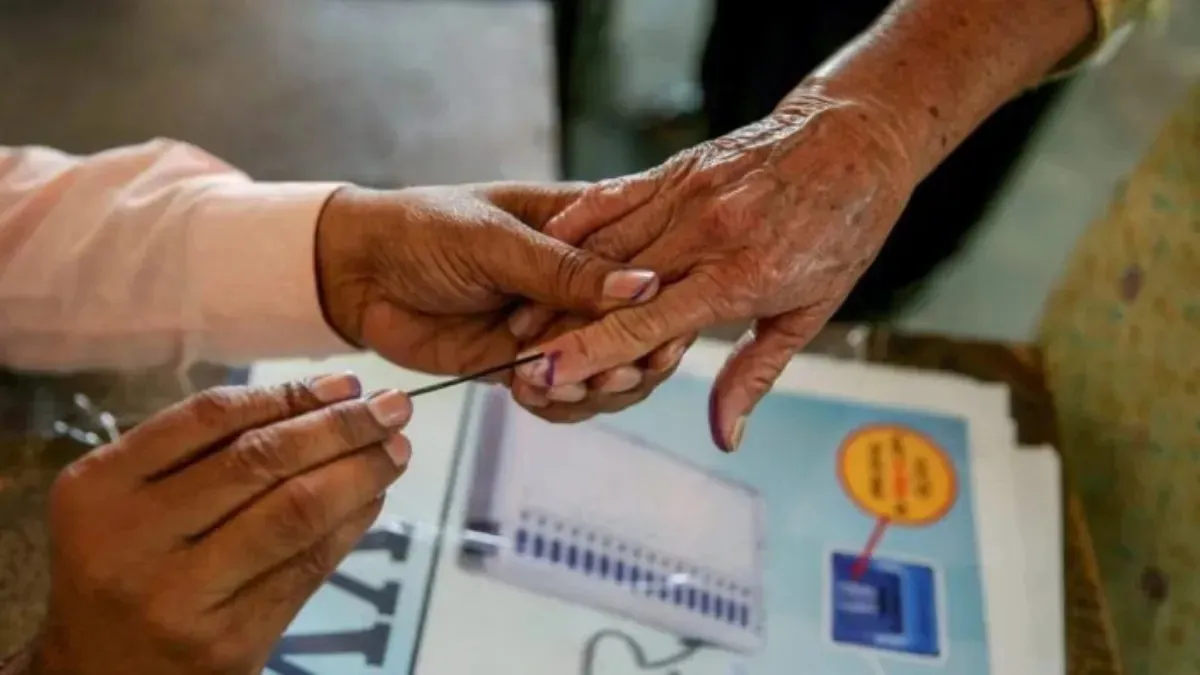
The Himachal Pradesh State Election Commission has officially announced the schedule for the 2026 Panchayati Raj elections, setting the stage for one of the largest grassroots democratic exercises in the state.
State Election Commissioner Anil Kumar Khachi released the detailed programme in Shimla on April 28, confirming that elections will be conducted in three phases across rural Himachal Pradesh.
🗳️ Polling Dates (Phase-wise)
Voting will be held on:
- May 26, 2026
- May 28, 2026
- May 30, 2026
These elections will cover 3,754 gram panchayats across all 12 districts of the state.
👥 Total Voters & Participation
- Total voters: 50,79,048
- Includes over 52,000 first-time voters (18+)
- Polling will be conducted at 21,000+ polling stations, including remote high-altitude areas like Kaza.
This makes it one of the largest rural electoral exercises in Himachal Pradesh.
🪪 Posts to Be Filled
Elections will be held for more than 31,000 posts, including:
- Gram Panchayat:
- Pradhan & Up-Pradhan
- Ward Members
- Panchayat Samiti Members
- Zila Parishad Members
Specifically:
- 21,000+ ward members
- 1,700+ panchayat samiti members
- 250+ district council members
📅 Nomination & Election Schedule
- Filing of nominations: May 7, 8, and 9 (some reports mention up to May 11)
- Scrutiny of papers: May 12
- Withdrawal of nominations: May 14 & 15
- Polling dates: May 26, 28, 30
- Counting:
- Gram Panchayat posts: Same day as polling
- Panchayat Samiti & Zila Parishad: May 31
📊 Reservation for Women
- Total posts: 31,182
- Reserved for women: 15,656 seats
This reflects nearly 50% reservation, strengthening women’s participation in local governance.
⚖️ Model Code of Conduct (MCC)
With the announcement:
- MCC is in force immediately in rural areas
- Strict monitoring of:
- Campaign spending
- Use of government machinery
- Illegal inducements
- Liquor sale bans will be enforced around polling days
⚠️ Special Notes
- Elections will not be held in 4 gram panchayats of Kullu district, as their tenure extends till 2027.
- However, higher-level elections (samiti & zila parishad) will still take place there.
- Voting will be conducted using traditional ballot papers, not EVMs.
🏔️ Administrative & Security Arrangements
- Elections are being held in phases to ensure:
- Better security deployment
- Smooth logistics in hilly terrain
- Special polling stations and auxiliary booths will be set up where required
- Authorities have been directed to ensure free, fair, and transparent elections
📌 Why These Elections Matter
Panchayat elections are crucial because they:
- Form the foundation of rural governance
- Decide leadership at village, block, and district levels
- Directly impact:
- Local development
- Welfare schemes
- Infrastructure planning
🧾 Conclusion
The 2026 Himachal Pradesh Panchayat elections will be a major democratic exercise involving over 50 lakh voters. With strong participation, women’s reservation, and strict election monitoring, the state aims to ensure a transparent and inclusive electoral process.


Mumbai Indians Still Alive in IPL 2026: Kieron Pollard Backs Team for Comeback

Supreme Court Rebukes Centre Over Plea in Minor Rape Survivor’s Pregnancy Case

😴 Why You Feel Tired Around 2 PM Every Day: Expert Explains the Science Behind the Afternoon Crash

Delhi Police SI Neetu Bisht Caught Taking ₹20 Lakh Bribe – Shocking Details Emerge in Corruption Probe

Ex-Cricketer Shikhar Dhawan Buys Ultra-Luxury Apartment Worth ₹69 Crore in Gurugram

Telegram Channels Disseminating Pro‑Russian Propaganda in Poland
-
 Crime & Investigation9 months ago
Delhi Police SI Neetu Bisht Caught Taking ₹20 Lakh Bribe – Shocking Details Emerge in Corruption Probe
-
 Celebrity Lifestyle11 months ago
Ex-Cricketer Shikhar Dhawan Buys Ultra-Luxury Apartment Worth ₹69 Crore in Gurugram
-
 Glamour & Entertainment10 months ago
Telegram Channels Disseminating Pro‑Russian Propaganda in Poland
-

 Bollywood9 months ago
No ₹3 Lakh Fine or 2-Year Jail: The Truth Behind the ‘Hakla’ GIF Buzz
-

 Travel & Adventure10 months ago
Best Places to Hangout in Delhi (2025): Top 10 Picks for Fun & Chill
-

 Entertainment11 months ago
Abhijeet & Dr Tarika Reunite in CID 2 — Fans Say ‘Clear the Misunderstanding Now
-

 Business11 months ago
Amazon sets 30‑day relocation deadline for corporate staff—opt out by resigning in 60 days
-

 Economy & Business11 months ago
📈 Indian Stock Market Soars in June 2025 Amid RBI Rate Cut and Foreign Investment Boost