
News
Hayli Gubbi Volcano Eruption Sends Ash Cloud to India, Flights Disrupted

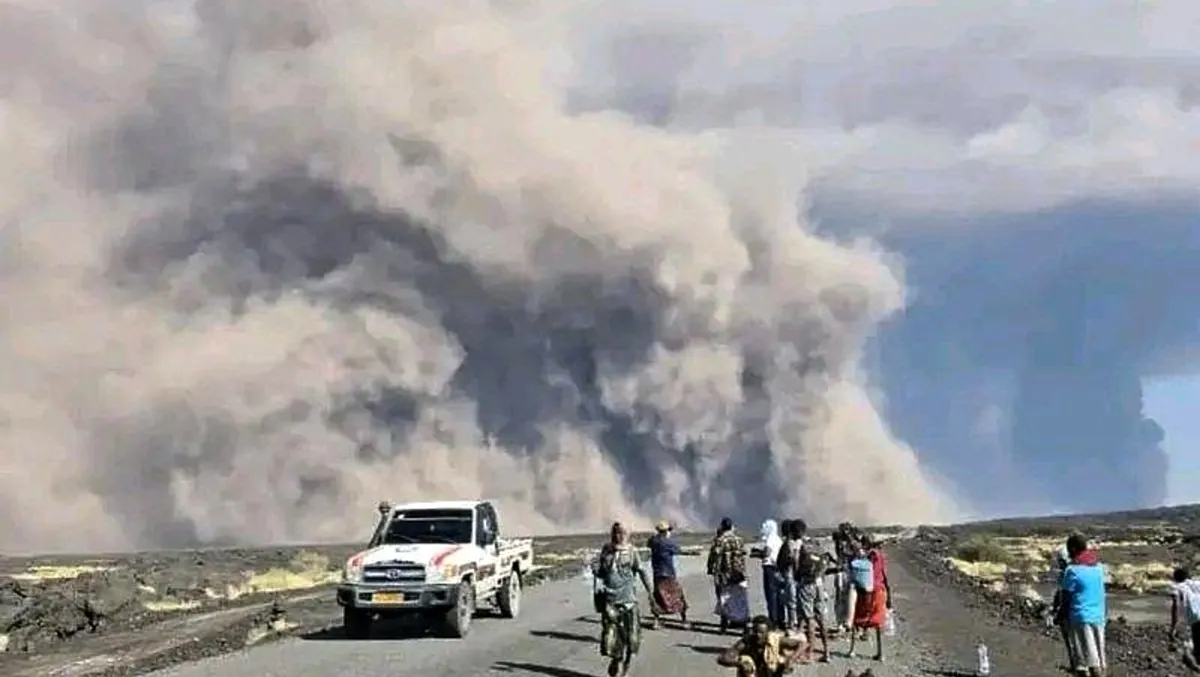
Ethiopia Volcanic Eruption: Hayli Gubbi Ash Plume Reaches Delhi, Disrupts Flights
A remote volcano in Ethiopia’s Afar region—Hayli Gubbi—erupted for the first time in nearly 12,000 years, sending massive plumes of ash 10 to 15 kilometres into the atmosphere above the Danakil Desert. Though the region has few inhabitants, the eruption has had far-reaching global effects.
Ash Cloud Travels to India
The volcanic ash plume travelled thousands of kilometres and reached northern India at altitudes of 25,000 to 45,000 feet, impacting Delhi, Rajasthan, Gujarat, Punjab, Haryana, and surrounding regions. Carried by high-level winds at speeds of nearly 100–120 km/h, the plume contains volcanic ash, sulphur dioxide, and fine particles of glass and rock.
Flights Cancelled, Skies Darkened
The arrival of the ash cloud darkened skies and significantly disrupted aviation. Air quality across parts of Delhi spiked above the 400 mark, as a thick, toxic haze settled over areas such as Anand Vihar, AIIMS, and Safdarjung.
Earlier, IndiaMetSky Weather had warned that the plume could make the sky appear unusually dark and hazy and may lead to major air traffic disruptions.
Several flights operated by Akasa Air, IndiGo, Air India, and other international carriers were diverted or cancelled due to hazardous conditions at cruising altitudes.
- Akasa Air cancelled flights to and from Jeddah, Kuwait, and Abu Dhabi on November 24 and 25, citing safety concerns due to volcanic ash.
- IndiGo said its teams were monitoring the situation closely in coordination with international aviation bodies and assured passengers that safety remained its top priority.
- Air India reported observing ash over certain regions but noted no major operational impact so far. However, it cancelled several flights as a precaution while conducting checks on aircraft that flew through affected routes.
Air India Cancelled Flights
- AI 2822 – Chennai–Mumbai
- AI 2466 – Hyderabad–Delhi
- AI 2444 / 2445 – Mumbai–Hyderabad–Mumbai
- AI 2471 / 2472 – Mumbai–Kolkata–Mumbai
The Directorate General of Civil Aviation (DGCA) issued an advisory directing airlines to avoid ash-laden regions, reroute aircraft, and conduct thorough engine inspections. Volcanic ash can severely damage aircraft engines, scratch cockpit windows, and interfere with navigation systems.
Ash Cloud to Clear India by 7:30 PM: IMD
According to the India Meteorological Department (IMD), the ash cloud is drifting toward China and expected to clear Indian skies by 7:30 PM on Tuesday.
IMD forecast models projected ash influence over Delhi-NCR, Rajasthan, Gujarat, Punjab, and Haryana. The eruption produced an ash plume rising up to 14 km (45,000 ft), spreading eastward across the Red Sea, Arabian Peninsula, and eventually toward the Indian subcontinent.
“High-level winds carried the ash cloud from Ethiopia across the Red Sea to Yemen and Oman, and further over the Arabian Sea to western and northern India,” the IMD said.
The department has been monitoring satellite imagery, advisories from Volcanic Ash Advisory Centres (VAACs), and dispersion models. Met Watch Offices in Mumbai, New Delhi, and Kolkata issued ICAO-standard SIGMET warnings, advising pilots and airports to avoid affected airspace and flight levels.
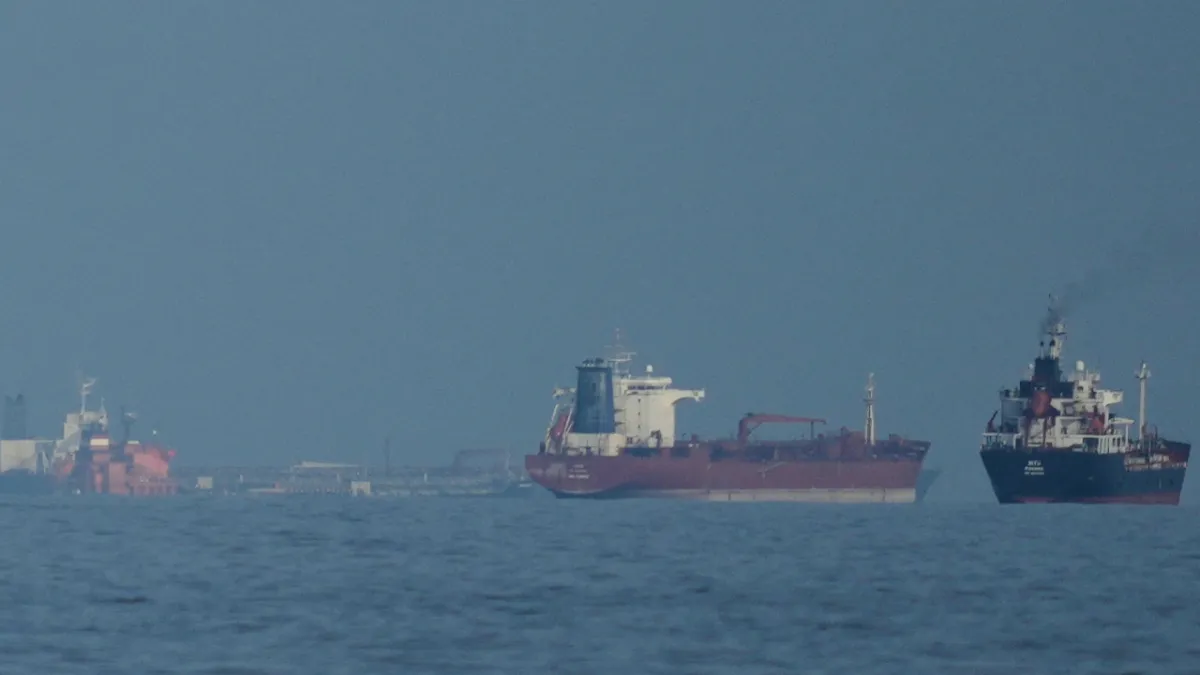
Amid rising tensions in the Middle East, Iran has reportedly allowed Indian ships to safely pass through the strategic Strait of Hormuz. In a significant development, an Indian vessel carrying 40,000 metric tonnes of liquefied petroleum gas (LPG) has successfully crossed the crucial maritime route and is expected to reach the Indian coast within a week.
The vessel, named Shivalik, departed from Bandar Abbas port in Iran and crossed the Strait of Hormuz a few hours ago, according to sources. It is currently being escorted by the Indian Navy as it travels toward India.
Diplomatic Talks Between India and Iran
The safe passage comes after several rounds of diplomatic engagement between India and Iran amid escalating regional tensions.
The latest discussion reportedly took place between Narendra Modi, Prime Minister of India, and Masoud Pezeshkian, the President of Iran. Their conversation focused on maintaining stability in energy supply routes and ensuring safe maritime navigation for Indian ships.
Sources said another Indian vessel is also expected to cross the Strait soon and dock at an Indian port in the coming days.
Impact of Middle East Conflict on Shipping Routes
Tensions in the region intensified following air strikes conducted on February 28 by the United States and Israel against targets in Iran. The conflict raised fears that Iran might block the Strait of Hormuz, one of the world’s most critical oil shipping routes.
The Strait of Hormuz connects the Persian Gulf with the Gulf of Oman and is responsible for the transit of a significant portion of global oil and gas shipments. Any disruption in this narrow waterway can severely affect global energy markets.
Reports of restricted access to the strait have already pushed global crude oil prices upward, reflecting concerns about supply disruptions.
Iran Reassures India on Safe Navigation
Earlier in the day, Iran’s Ambassador to India, Mohammad Fathali, reassured that Indian vessels would be allowed to pass through safely.
He stated that India and Iran share strong bilateral relations and common regional interests, adding that the situation would become clear within hours as ships continued to pass through the strait.
Meanwhile, Abdul Majid Hakeem Ilahi, the representative of Iran’s Supreme Leader in India, clarified that Iran has not officially closed the Strait of Hormuz despite the ongoing conflict.
He acknowledged that navigation has become more difficult due to regional tensions but confirmed that several ships are still using the route.
Why the Strait of Hormuz Matters
The Strait of Hormuz is widely considered one of the most important maritime chokepoints in the world. Nearly one-fifth of the global oil supply passes through this narrow passage every day.
For India, the route is crucial because the country imports a large portion of its crude oil and LPG from West Asian nations.
Ensuring uninterrupted access to this sea lane is essential for:
- Maintaining India’s energy security
- Stabilizing domestic fuel prices
- Preventing disruptions in global energy supply chains
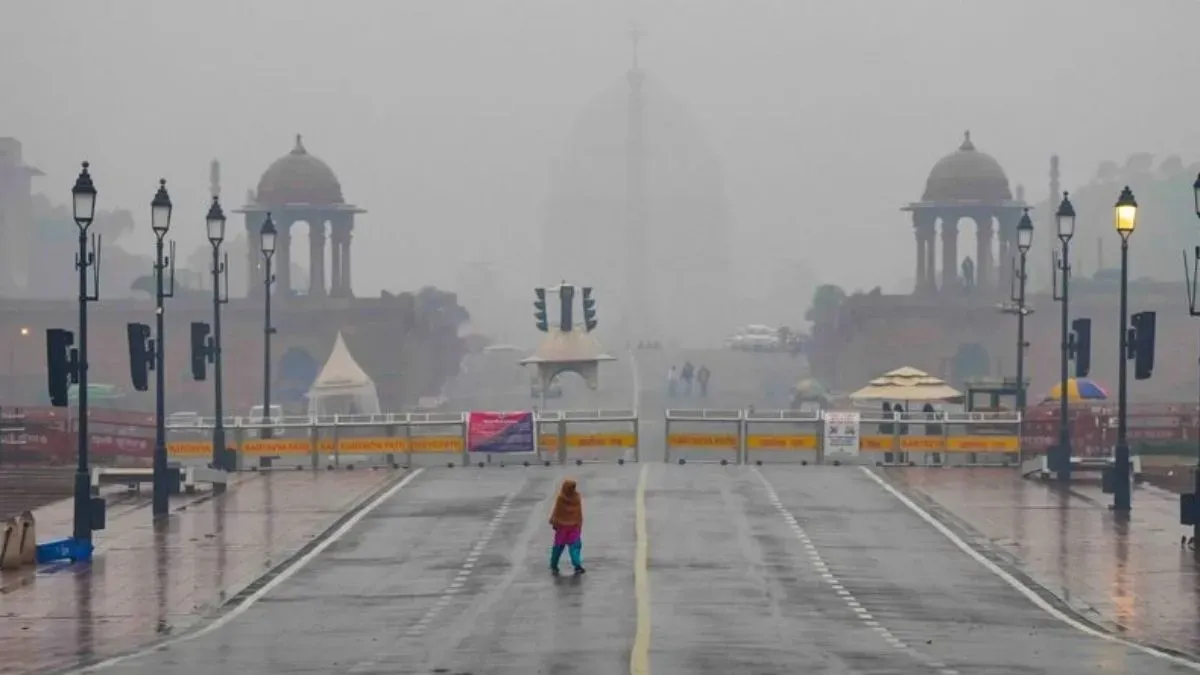
Cold conditions have returned to the national capital after rainfall lashed parts of Delhi-NCR on Friday, January 23, bringing a noticeable dip in temperatures and relief from pollution. The mercury slipped below 10°C, marking a sharp turnaround after a brief spell of warmer days earlier this week.
According to the India Meteorological Department (IMD), Delhi is likely to witness a further drop in temperatures over the next two days, with light rain predicted for today as well. The maximum temperature is expected to hover around 20°C, while the minimum may dip to 6°C, intensifying the winter chill.
Rain Brings Clear Skies and Better Air Quality
Friday’s rainfall significantly altered weather conditions across the region. Cool northerly winds swept through the capital, leading to clearer skies and a marked improvement in visibility. Air quality levels also improved, with several monitoring stations recording a drop in pollution indices due to the washout effect of rain.
Meteorologists noted that the rain activity was concentrated mainly in the morning and early afternoon, gradually subsiding by evening.
Delhi Records Wettest January Day in Two Years
Delhi witnessed its first rain of 2026, which also turned out to be the wettest January day in the last two years. IMD data shows that the highest January rainfall on record was logged on January 30, 2023, when the city received 20.4 mm of rain.
On Friday, rainfall between 8:30 am and 5:30 pm was widespread across Delhi-NCR:
- Ridge: 17.4 mm
- Palam: 14.0 mm
- Lodi Road: 13.4 mm
- Safdarjung: 13.2 mm
- Ayanagar: 11.5 mm
Most weather stations reported light to moderate rainfall between 8:30 am and 2:30 pm, after which precipitation weakened significantly.
Weather Update for Other North Indian Cities
- Lucknow (Uttar Pradesh): Light rain is likely in the morning, with a minimum temperature around 10°C.
- Patna (Bihar): Clear skies are expected, with the minimum temperature settling near 13°C.
- Jaipur (Rajasthan): The minimum temperature may drop to around 5°C, with partly cloudy conditions likely.
What to Expect Next
IMD officials have indicated that the temperature dip could lead to cold day conditions in isolated pockets of Delhi-NCR. Early morning shallow fog may also develop over the next few days, especially in low-lying areas. Residents have been advised to take precautions against cold weather, particularly during early morning and late-night hours.
While no severe cold wave warning has been issued yet, authorities are monitoring conditions closely as winter tightens its grip once again on north India.
News
PM Modi hails Mahayuti’s sweeping win in Maharashtra civic polls, calls it people’s mandate for NDA governance
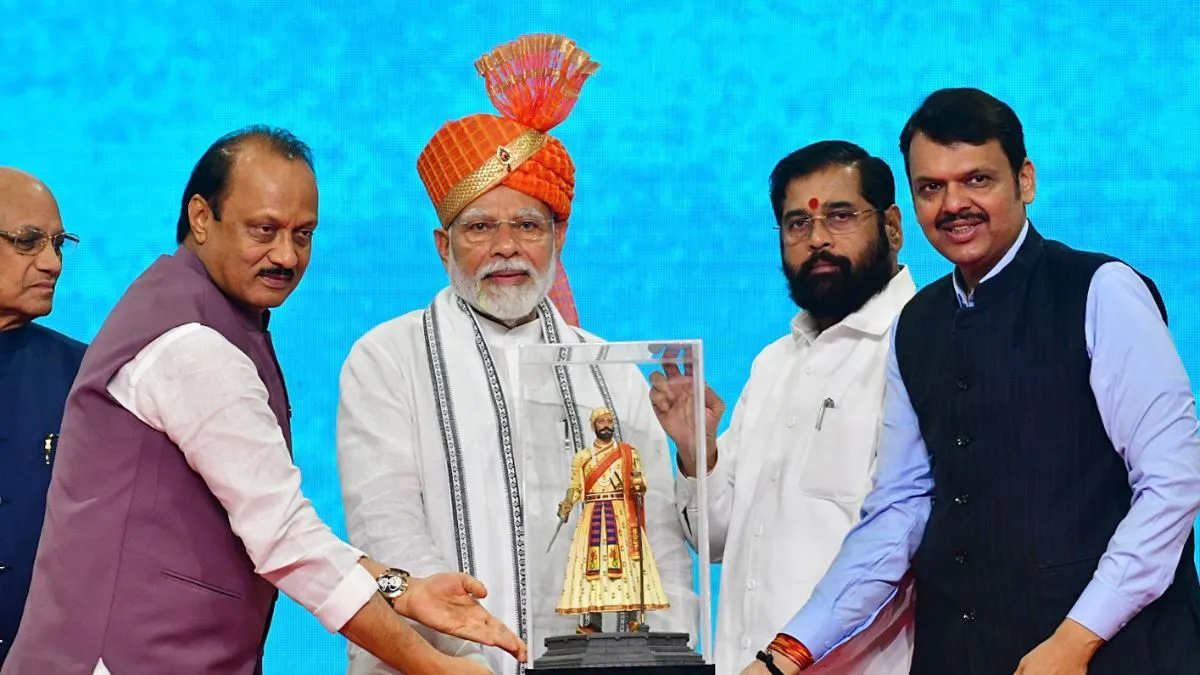
Prime Minister Narendra Modi on Friday welcomed the Mahayuti alliance’s decisive victory in the Maharashtra municipal corporation elections, describing it as a clear indication of the deepening bond between the people of the state and the National Democratic Alliance (NDA). The results, covering elections to 29 municipal corporations, have delivered a strong endorsement of the alliance’s governance model and development agenda.
Taking to social media platform X, PM Modi thanked the people of Maharashtra for backing what he termed the NDA’s “pro-people and good governance” agenda. He said the mandate reflected public trust in the alliance’s track record and its vision for the future.
“Thank you Maharashtra! The dynamic people of the state bless the NDA’s agenda of pro-people good governance. This is a vote to add momentum to progress and celebrate the glorious culture the state is associated with,” the prime minister wrote.
Praise for NDA workers and campaign strategy
In a separate post, PM Modi lauded the efforts of NDA karyakartas, crediting them for working tirelessly at the grassroots level and effectively communicating the alliance’s message to voters. He noted that party workers played a crucial role in highlighting development initiatives while countering what he described as misinformation spread by opposition parties.
“They talked about our alliance’s track record, highlighted our vision for the coming times and also effectively countered the lies of the Opposition. My best wishes to them,” he said.
Mahayuti’s dominant performance across civic bodies
The Mahayuti alliance registered a commanding performance in the civic polls, with the Bharatiya Janata Party (BJP) emerging as the single-largest party. The BJP won over 1,300 of the 2,869 seats contested across municipal corporations, reinforcing its organisational strength in urban Maharashtra.
Chief Minister Eknath Shinde-led Shiv Sena finished second within the alliance, securing 394 seats. The Congress surprised many observers by finishing third overall with victories in 315 seats, indicating pockets of resilience despite recent electoral setbacks.
Uddhav Thackeray-led Shiv Sena (UBT) won 149 seats, while the Nationalist Congress Party (NCP), which contested independently on several seats, secured 158 victories. Asaduddin Owaisi’s AIMIM also made notable gains with over 90 seats, while Sharad Pawar’s NCP (SP) won 36 seats. Raj Thackeray’s Maharashtra Navnirman Sena (MNS) managed to secure around 12 seats.
Political significance ahead of key elections
Although the final tally is yet to be officially declared by the Maharashtra State Election Commission, political analysts see the results as a significant morale booster for the Mahayuti government led by Devendra Fadnavis, with Eknath Shinde and Ajit Pawar as deputy chief ministers. The outcome is being viewed as an important indicator of voter sentiment ahead of future state and national-level contests.
The civic poll victory is also expected to strengthen the NDA’s narrative of political stability, development-focused governance, and organisational unity in Maharashtra’s complex political landscape.


Sara Arjun & Ishaan Khatter Spotted Outside Wankhede After Ad Buzz, Video Goes Viral

Rohit Sharma–Ryan Rickelton Create History as Mumbai Indians Beat KKR in IPL 2026 Thriller

Australia Women Dominate West Indies in 1st ODI Despite Stafanie Taylor’s Heroics

Ex-Cricketer Shikhar Dhawan Buys Ultra-Luxury Apartment Worth ₹69 Crore in Gurugram

Delhi Police SI Neetu Bisht Caught Taking ₹20 Lakh Bribe – Shocking Details Emerge in Corruption Probe

Telegram Channels Disseminating Pro‑Russian Propaganda in Poland
-
 Celebrity Lifestyle11 months ago
Ex-Cricketer Shikhar Dhawan Buys Ultra-Luxury Apartment Worth ₹69 Crore in Gurugram
-
 Crime & Investigation8 months ago
Delhi Police SI Neetu Bisht Caught Taking ₹20 Lakh Bribe – Shocking Details Emerge in Corruption Probe
-
 Glamour & Entertainment9 months ago
Telegram Channels Disseminating Pro‑Russian Propaganda in Poland
-

 Bollywood8 months ago
No ₹3 Lakh Fine or 2-Year Jail: The Truth Behind the ‘Hakla’ GIF Buzz
-

 Entertainment10 months ago
Abhijeet & Dr Tarika Reunite in CID 2 — Fans Say ‘Clear the Misunderstanding Now
-

 Business10 months ago
Amazon sets 30‑day relocation deadline for corporate staff—opt out by resigning in 60 days
-
 Travel & Adventure9 months ago
Best Places to Hangout in Delhi (2025): Top 10 Picks for Fun & Chill
-

 Economy & Business10 months ago
📈 Indian Stock Market Soars in June 2025 Amid RBI Rate Cut and Foreign Investment Boost