
Festivals
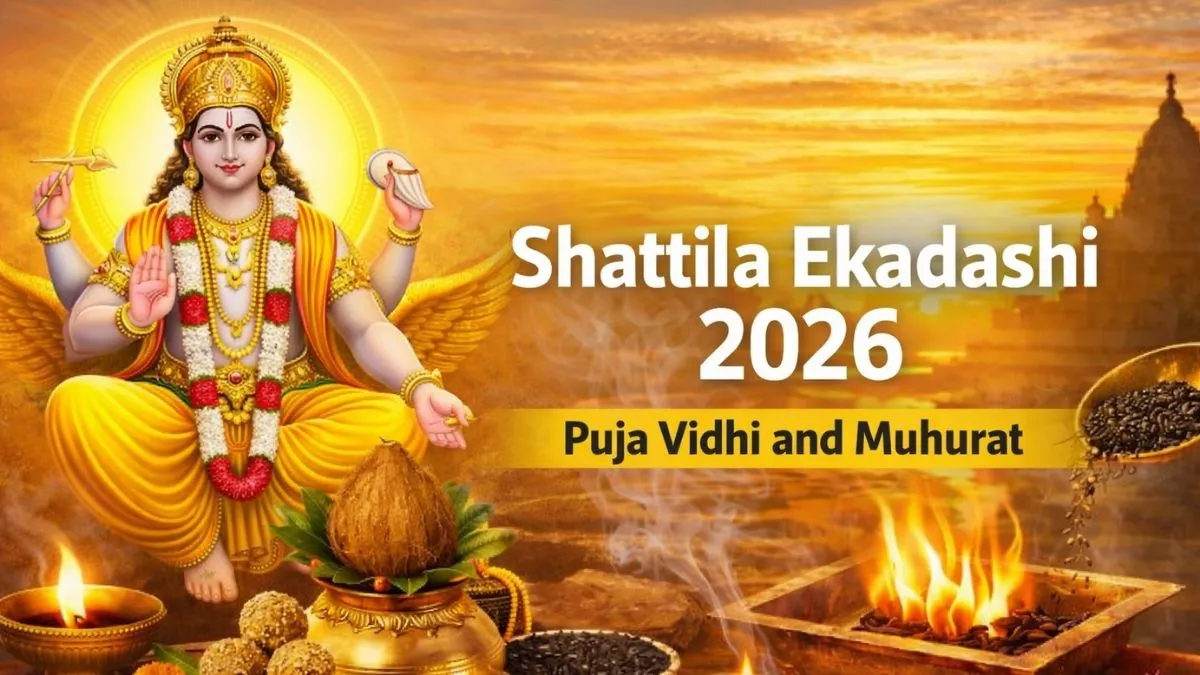
Ekadashi on January 14, 2026: Shattila Ekadashi vrat katha, puja vidhi and parana time

- /home/u299404478/domains/toplisted.in/public_html/wp-content/plugins/mvp-social-buttons/mvp-social-buttons.php on line 27
https://toplisted.in/wp-content/uploads/2026/01/2-7-1000x600.webp&description=Ekadashi on January 14, 2026: Shattila Ekadashi vrat katha, puja vidhi and parana time', 'pinterestShare', 'width=750,height=350'); return false;" title="Pin This Post">
- Share
- Tweet /home/u299404478/domains/toplisted.in/public_html/wp-content/plugins/mvp-social-buttons/mvp-social-buttons.php on line 72
https://toplisted.in/wp-content/uploads/2026/01/2-7-1000x600.webp&description=Ekadashi on January 14, 2026: Shattila Ekadashi vrat katha, puja vidhi and parana time', 'pinterestShare', 'width=750,height=350'); return false;" title="Pin This Post">
Shattila Ekadashi is regarded as one of the most spiritually rewarding Ekadashi fasts in the Hindu calendar. Observed during the Magh month, this Ekadashi is dedicated to Lord Vishnu and is uniquely associated with the use of sesame seeds (til) in fasting, worship, and charity.
According to the Panchang, Shattila Ekadashi will be observed on January 14, 2026. Devotees believe that observing the vrat with sincerity helps cleanse past sins, purify the body and mind, and attract peace and prosperity.
Below are the date, timings, rituals, vrat katha, and spiritual significance of Shattila Ekadashi.
Shattila Ekadashi 2026 date and tithi timing
As per the Vedic calendar:
- Ekadashi Tithi begins: January 13, 2026 at 3:17 pm
- Ekadashi Tithi ends: January 14, 2026 at 5:52 pm
Since the Ekadashi tithi is present at sunrise on January 14, devotees will observe Shattila Ekadashi vrat on January 14, 2026.
Auspicious yogas on Shattila Ekadashi 2026
This year, Shattila Ekadashi gains added importance due to rare auspicious combinations:
- Coincides with Makar Sankranti
- Formation of Sarvartha Siddhi Yoga
- Formation of Amrit Siddhi Yoga
Such yogas are believed to multiply the spiritual benefits of fasting, worship, and donations.
- Brahma Muhurta: 5:28 am to 6:22 am
This is considered the most sacred time to take a holy bath, take the vrat sankalp, and begin puja.
Religious significance of Shattila Ekadashi
Shattila Ekadashi holds a special place in Hindu scriptures. The word Shattila refers to the six ways sesame seeds are used on this day—through eating, bathing, offering, charity, homa, and applying paste.
Sesame seeds are believed to:
- Absorb negative karma
- Purify the soul
- Bring stability, prosperity, and spiritual growth
Worship performed with devotion on this day is said to please Lord Vishnu immensely and help devotees move closer to moksha.
Shattila Ekadashi vrat katha (story)
According to the Ekadashi Mahatmya, there once lived a devoted woman who regularly observed fasts but never donated food or wealth. Though disciplined, her lack of charity left her spiritually incomplete.
After her death, she was reborn into hardship. When she sought guidance, sages advised her to observe Shattila Ekadashi with sincere charity using sesame seeds. Upon doing so, her suffering ended, and she attained peace and prosperity.
The story highlights that fasting combined with charity is what truly completes a vrat.
Shattila Ekadashi puja vidhi
- Wake up early and take a holy bath
- Wear clean yellow or white clothes
- Clean the puja area and spread a yellow cloth
- Place idols or images of Lord Vishnu and Goddess Lakshmi
- Light a ghee lamp and incense
- Take a vow to observe the Ekadashi vrat
- Chant Om Namo Narayanaya or Vishnu Sahasranama
- Read or listen to the Ekadashi vrat katha
- Offer bhog made with sesame seeds (til laddoo, til khichdi)
- Worship Tulsi and perform abhishek with Ganga jal
Shattila Ekadashi 2026 parana time
- Parana date: January 15, 2026 (Dwadashi)
- Parana time: 7:15 am to 9:21 am
After bathing, devotees should offer prayers to Lord Vishnu, consume sattvik food with Tulsi leaves, and then break the fast respectfully.
Benefits of observing Shattila Ekadashi vrat
- Helps cleanse past sins
- Brings mental peace and clarity
- Supports spiritual discipline and self-control
- Encourages charity and compassion
- Believed to attract prosperity and divine blessings
Shattila Ekadashi is not just a ritualistic fast but a reminder of balance—discipline, devotion, and generosity—working together to nurture spiritual growth.












Festivals
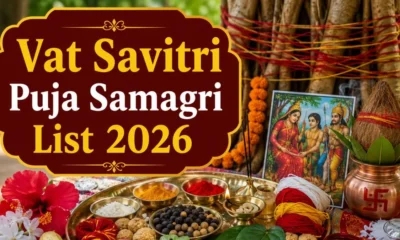
Vat Savitri Vrat 2026: Complete Puja Samagri List, Rituals, Significance and Important Traditions
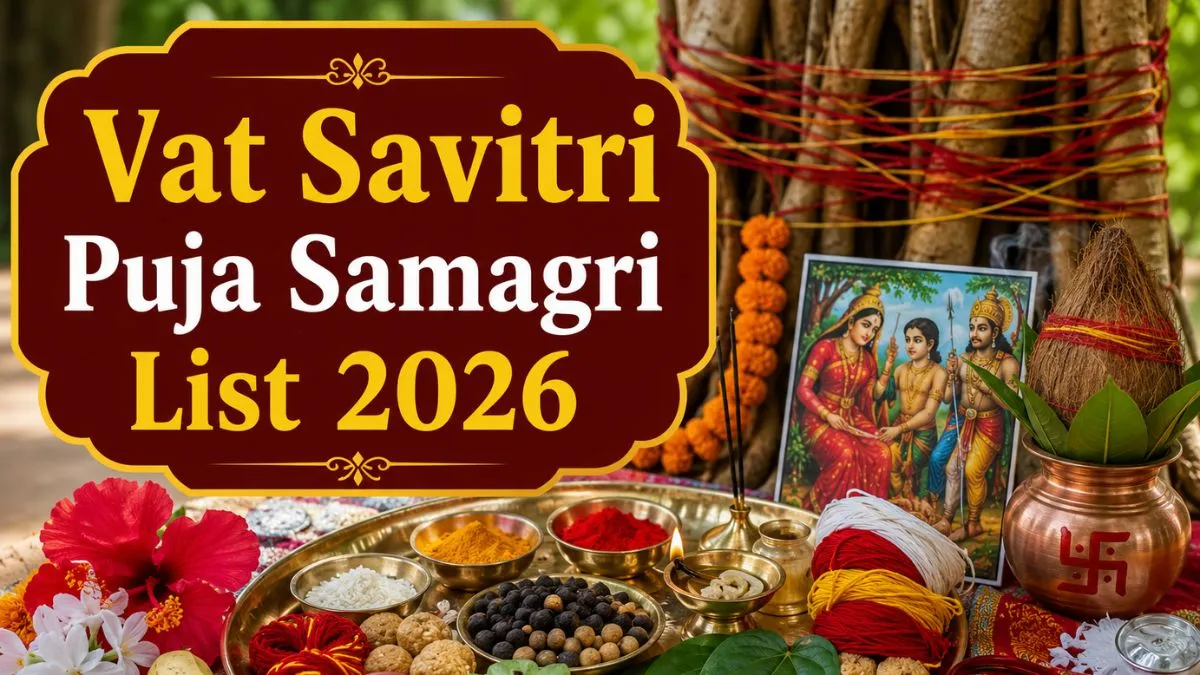
Vat Savitri Vrat is one of the most sacred fasting rituals observed by married Hindu women, especially in North India, Maharashtra, Bihar and parts of eastern India. The vrat is dedicated to Goddess Savitri, whose devotion and determination are believed to have brought her husband Satyavan back to life from Lord Yama.
In 2026, Vat Savitri Vrat will be observed on Saturday, May 16 on the occasion of Vat Amavasya.
Women observe the vrat for:
- Long life of their husbands
- Family prosperity
- Marital happiness and well-being
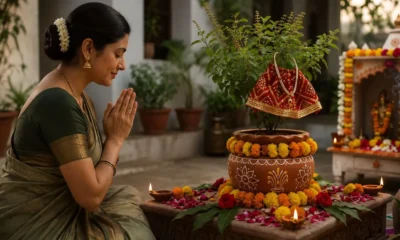
The central ritual of the festival involves worshipping the sacred banyan tree (Vat Vriksha), which symbolises immortality, strength and longevity in Hindu tradition.
Complete Vat Savitri Puja Samagri List 2026
Before beginning the puja, devotees usually gather all required items in advance.
Essential Puja Items
- Bamboo basket or puja thali
- Roli (kumkum)
- Haldi (turmeric powder)
- Akshat (unbroken rice grains)
- Kalash filled with clean water
- Gangajal
- Incense sticks (agarbatti)
- Camphor (kapoor)
- Desi ghee diya
- Cotton wicks
Flowers & Offerings
- Fresh flowers
- Flower garlands
- Fruits
- Seasonal sweets
- Prasad items
- Soaked black chana or gram
Traditional Ritual Items
- Coconut
- Betel leaves (paan)
- Supari (betel nut)
- Milk and curd
- Sacred red or yellow thread
- Raw cotton thread for wrapping around banyan tree
Suhag Items
- Bangles
- Bindi
- Sindoor
- Chunari or new clothes
- Mehendi (optional)
These items symbolise marital prosperity and are considered auspicious during the vrat.
Banyan Tree Worship Items
- Banyan tree leaves or branch (if worshipping at home)
- Water for offering to the tree
- Puja mat or cloth for sitting
Why Is the Banyan Tree Worshipped?
The banyan tree, known as Vat Vriksha, holds deep spiritual significance in Hinduism.
It symbolises:
- Longevity
- Stability
- Eternal life
- Protection of family
During the puja, married women tie sacred threads around the tree while praying for the long and healthy life of their husbands.
Story Behind Vat Savitri Vrat
The vrat is associated with the legendary tale of Savitri and Satyavan.
According to Hindu mythology:
- Savitri was deeply devoted to her husband Satyavan
- When Lord Yama came to take Satyavan’s soul, Savitri followed him with unwavering determination
- Impressed by her devotion and intelligence, Lord Yama restored Satyavan’s life
This story symbolises:
- Faith
- Devotion
- Strength of marital commitment
Important Rituals of Vat Savitri Vrat
Women observing the vrat usually:
- Wake up early and bathe before sunrise
- Wear traditional and auspicious attire
- Observe nirjala or partial fast
- Worship the banyan tree
- Listen to or recite Savitri-Satyavan Katha
- Offer fruits, flowers and prasad
- Perform parikrama (circumambulation) of the tree while tying thread
In many communities, women also exchange puja items and blessings after completing the rituals.
Spiritual Importance of the Vrat
Vat Savitri Vrat is not just about fasting but also reflects:
- Dedication toward family
- Spiritual discipline
- Cultural traditions passed across generations
The vrat remains an important part of Hindu marital customs and continues to be observed with devotion across India.
Final Note
Devotees are advised to arrange all puja materials a day before the vrat to ensure smooth rituals on the auspicious day. Traditions and rituals may vary slightly depending on region and family customs.
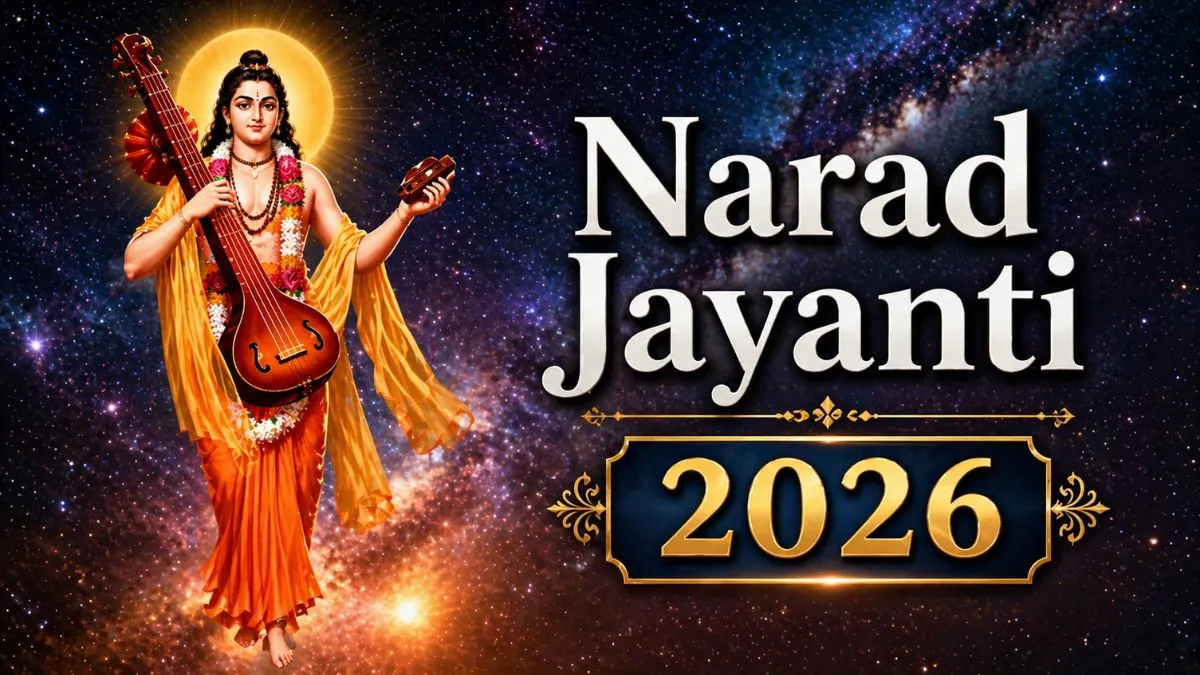
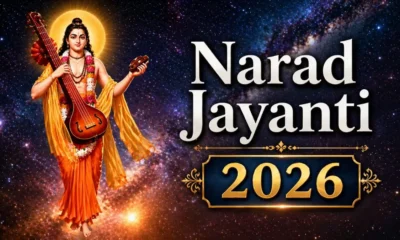
Narad Jayanti marks the birth of Devarshi Narad, a revered sage known for his devotion, wisdom, and role as a divine messenger.
The festival highlights the values of bhakti (devotion), jnana (knowledge), and seva (service)—principles that remain relevant in everyday life.
📅 When is Narad Jayanti 2026?
According to the Hindu calendar:
- Falls on Dwitiya Tithi (Krishna Paksha) of Jyeshtha month
- Tithi begins: May 2, 2026 – 12:51 AM
- Tithi ends: May 3, 2026 – 3:02 AM
👉 Based on Udaya Tithi, Narad Jayanti will be observed on May 3, 2026.
🌟 Significance of Narad Jayanti
In Hindu belief, Devarshi Narad is:
- A manas putra (mind-born son) of Lord Brahma
- A devoted follower of Lord Vishnu
- Known for chanting “Narayan Narayan” and spreading divine messages
🧠 Spiritual Importance:
- Symbol of communication and truth
- Represents devotion combined with wisdom
- Believed to bring clarity of thought and guidance in life
👉 Narad is often considered the first communicator or messenger, connecting gods and humans.
🙏 Role of Charity and Service
Narad Jayanti is not just about rituals—it emphasizes action through kindness.
Common practices:
- Donating food, clothes, or essentials
- Helping underprivileged individuals
- Feeding Brahmins or the needy
👉 Acts of charity are believed to attract positive karma and blessings.
🪷 Narad Jayanti Puja Vidhi (Rituals)
Here’s a simple step-by-step guide:
- Take an early morning bath and wear clean clothes
- Clean and purify the पूजा space with water
- Begin worship with prayers to Lord Vishnu
- Offer:
- Flowers 🌸
- Sandalwood paste
- Fruits 🍎
- Light a diya (lamp) and perform aarti
- Offer Panchamrit with Tulsi leaves as prasad
- Recite prayers dedicated to Devarshi Narad
- Offering a flute is considered auspicious
🧘 Deeper Meaning of the Festival
Narad Jayanti teaches that:
- Communication should be truthful and meaningful
- Devotion should reflect in daily actions
- Knowledge should guide decision-making and behavior
👉 It’s a reminder that spirituality is not just ritual—but how we live and interact with others.
✨ Final Thought
Narad Jayanti beautifully blends devotion, wisdom, and service. Whether through prayer, charity, or self-reflection, the day encourages a more mindful and compassionate way of living.
Festivals
Basant Panchami 2026 Date and Time: Saraswati Puja Muhurat, Tithi and Significance Explained

Basant Panchami, a festival dedicated to Goddess Saraswati, will be observed on January 23, 2026. Celebrated on the fifth day (Panchami) of the Shukla Paksha in the Hindu month of Magh, the festival marks the onset of spring and is considered highly auspicious for learning, wisdom, creativity, and new beginnings.
The day holds special meaning for students, teachers, artists, musicians, and scholars, as Goddess Saraswati is revered as the embodiment of knowledge, intellect, music, arts, and science. Basant Panchami is also known as Saraswati Puja or Shri Panchami in different parts of the country.
Basant Panchami 2026: Date and Panchami Tithi Timing
In 2026, Basant Panchami will be celebrated on Friday, January 23.
- Panchami Tithi begins: 2:28 am on January 23, 2026
- Panchami Tithi ends: 1:46 am on January 24, 2026
As the Panchami Tithi prevails throughout the day, devotees can comfortably perform Saraswati Puja on January 23.
Saraswati Puja Muhurat on Basant Panchami 2026
The most auspicious time to worship Goddess Saraswati on Basant Panchami is during the morning to midday hours.
- Saraswati Puja Muhurat: 7:15 am to 12:50 pm
Performing the puja during this time is believed to enhance wisdom, concentration, creativity, and academic success.
Importance of Basant Panchami in Hindu Tradition
Basant Panchami symbolises the gentle transition from winter to spring—a season associated with renewal, growth, and positivity. Fields of mustard flowers bloom across northern India, lending the festival its signature yellow colour, which represents prosperity, knowledge, and energy.
According to religious beliefs, Goddess Saraswati manifested on the fifth day of Magh Shukla Paksha, which is why the day is also regarded as her appearance day. Devotees dress in yellow, offer yellow flowers and sweets, and place books, musical instruments, and study materials near the idol of the goddess.
An Auspicious Day for New Beginnings
Basant Panchami is considered an Abujh Muhurat, meaning no separate muhurat is required to perform auspicious activities. On this day, people traditionally begin:
- Formal education for children (Vidyarambh)
- New business ventures
- Writing, reading, and creative pursuits
- Mundan (first haircut) and Annaprashan ceremonies
- Griha Pravesh (housewarming rituals)
In some regions, the day is also associated with Madnotsav and marks the beginning of Ratikaam Mahotsav, celebrating joy, creativity, and life.
Cultural Observance Across India
While Saraswati Puja is widely celebrated in states like West Bengal, Bihar, Odisha, Assam, and Uttar Pradesh, Basant Panchami also holds importance in Sikh traditions, where it commemorates Maharaja Ranjit Singh and seasonal festivities.
Final Note
Basant Panchami is more than just a festival—it is a reminder of the importance of learning, discipline, creativity, and inner growth. Worshipping Goddess Saraswati on this day is believed to bring clarity of thought, academic progress, and lifelong wisdom.


⚽ Kolkata Derby Could Decide ISL 2026 Title Race as Five Clubs Wait on Crucial Weekend

Kerala CM Race Intensifies: Posters in Wayanad Target Rahul Gandhi and Priyanka Gandhi Vadra Amid KC Venugopal Speculation

‘Last Plate Syndrome’: Why Many Mothers Eat Last and How It Quietly Affects Their Health

Delhi Police SI Neetu Bisht Caught Taking ₹20 Lakh Bribe – Shocking Details Emerge in Corruption Probe

Ex-Cricketer Shikhar Dhawan Buys Ultra-Luxury Apartment Worth ₹69 Crore in Gurugram

Telegram Channels Disseminating Pro‑Russian Propaganda in Poland
-
 Crime & Investigation1 year ago
Delhi Police SI Neetu Bisht Caught Taking ₹20 Lakh Bribe – Shocking Details Emerge in Corruption Probe
-
 Celebrity Lifestyle1 year ago
Ex-Cricketer Shikhar Dhawan Buys Ultra-Luxury Apartment Worth ₹69 Crore in Gurugram
-
 Glamour & Entertainment1 year ago
Telegram Channels Disseminating Pro‑Russian Propaganda in Poland
-

 Bollywood1 year ago
No ₹3 Lakh Fine or 2-Year Jail: The Truth Behind the ‘Hakla’ GIF Buzz
-

 Travel & Adventure1 year ago
Best Places to Hangout in Delhi (2025): Top 10 Picks for Fun & Chill
-

 Beauty1 year ago
Top 10 Skincare Brands in India Loved by Dermatologists (2025 Update)
-

 Business1 year ago
Amazon sets 30‑day relocation deadline for corporate staff—opt out by resigning in 60 days
-

 Entertainment1 year ago
Abhijeet & Dr Tarika Reunite in CID 2 — Fans Say ‘Clear the Misunderstanding Now