
Lifestyle
About Modular Kitchen Cost Calculator


Planning a modular kitchen and wondering what your renovation might cost? A modular kitchen cost calculator is your new best friend. It’s a smart online tool that helps homeowners estimate the total cost of building or renovating their kitchen based on design preferences, material choices, layout size, and more.
What Is a Modular Kitchen Cost Calculator?
A modular kitchen cost calculator is an interactive tool—often provided by interior design or furniture companies—that helps users:
- Estimate kitchen expenses
- Compare layouts and materials
- Plan within budget
- Avoid surprise costs
By inputting a few basic details (kitchen size, layout type, materials, finishes), you get an instant cost breakdown of your modular kitchen project.

Key Inputs Required in the Calculator
- Kitchen Size (sq. ft.)
- Layout Type
- L-shaped
- U-shaped
- Straight
- Parallel
- Island
- Material Choice
- Plywood, MDF, HDHMR, Particle Board
- Finish
- Laminate, Acrylic, PU, Veneer
- Accessories
- Drawers, pull-outs, tall units, corner units
- Countertop Preference
- Granite, Quartz, Marble
- Appliances (Optional)
- Chimney, hob, oven, dishwasher
- Location (city-based pricing)
- Metro cities often have higher rates than Tier-2 towns

Sample Cost Estimation (For Reference)
| Kitchen Size | Basic (₹/sq. ft) | Premium (₹/sq. ft) |
|---|---|---|
| 60–70 sq.ft | ₹80,000–₹1,20,000 | ₹1.5L–₹2.2L |
| 80–100 sq.ft | ₹1.2L–₹1.8L | ₹2.5L–₹3.5L |
Total cost can vary between ₹1,000 to ₹3,000 per sq. ft. depending on selections.
Benefits of Using a Kitchen Cost Calculator
- Quick budgeting
- Customization comparison
- Saves consultation time
- Improves clarity with contractors
- Eliminates hidden charges

Where to Find These Calculators?
Several home improvement websites offer free-to-use calculators:
- Livspace
- HomeLane
- Pepperfry Modular Kitchens
- Urban Ladder
- NoBroker Interiors
- MagicBricks or Housing.com (tools section)
Look for tools labeled: “Kitchen Cost Calculator,” “Modular Price Estimator,” or “Design & Quote in 5 minutes.”
Tips for Accurate Estimates
- Always input realistic measurements
- Choose materials based on climate & usage
- Don’t forget installation and plumbing costs
- Use multiple calculators to compare quotes

Final Thoughts
If you’re serious about kitchen renovation, a modular kitchen cost calculator offers a fast and easy way to visualize your expenses. Whether you’re planning a simple L-shaped layout or a luxurious island-style kitchen, this tool helps you budget smartly and plan like a pro.
Want a calculator integrated into your blog or real estate site? Let me know and I’ll help you create a branded, lead-generating widget script.

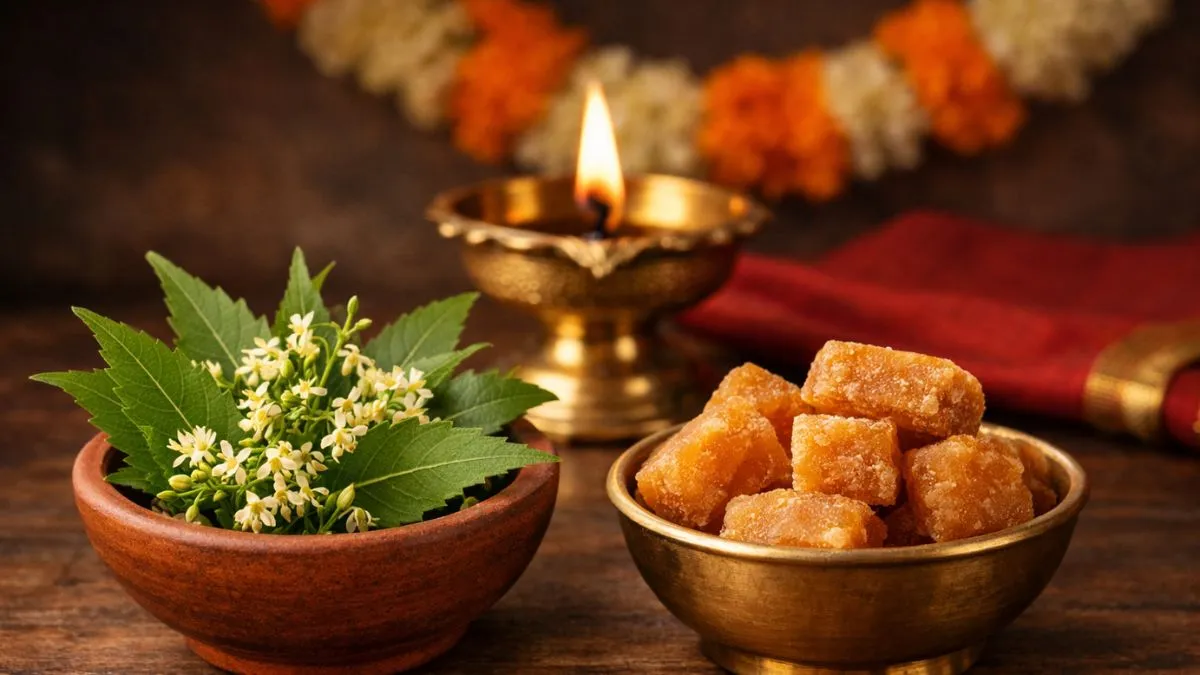
As the Hindu New Year begins with Gudi Padwa and Ugadi, many households across India follow a simple yet meaningful tradition—consuming a mixture of neem and jaggery.
At first glance, this practice may appear symbolic. However, this unique combination of bitter and sweet reflects a deeper connection between seasonal health, nutrition, and cultural wisdom.
More Than a Ritual: A Seasonal Reset
The timing of this tradition is rooted in nature. The Hindu New Year coincides with the transition from winter to spring/summer, a period when the body undergoes subtle changes.
During this phase:
- Digestion may slow or fluctuate
- Immunity can become vulnerable
- Energy levels may shift
According to nutrition experts, traditional food practices like this one are a form of “seasonal intelligence”, designed to help the body adapt naturally.
Why Neem Is Consumed
Neem, known for its strong bitter taste, plays a crucial role in this ritual.
Health Benefits of Neem:
- Contains antimicrobial and anti-inflammatory properties
- Supports liver function and detoxification
- Helps improve digestion and gut balance
- May assist the body in adjusting to seasonal infections
Nutrition experts often describe neem as a natural cleansing agent, helping the body reset after winter indulgence.
Why Jaggery Is Added
Jaggery (gur) balances the bitterness of neem with its natural sweetness while offering its own health benefits.
Benefits of Jaggery:
- Rich in iron, supporting hemoglobin levels
- Aids digestion by stimulating enzymes
- Provides a quick energy boost
- Helps in cleansing the digestive tract
The Science Behind the Combination
The pairing of neem and jaggery is both nutritionally balanced and functionally effective.
- Neem acts as a detoxifier and cleanser
- Jaggery provides energy and nourishment
Together, they:
- Support gut health
- Help in seasonal adaptation
- Balance taste and nutrition
This combination also introduces diverse tastes, which may help in regulating cravings and improving dietary habits.
Cultural and Philosophical Meaning
Beyond health, this ritual carries a deeper symbolic message.
The mix of bitter (neem) and sweet (jaggery) represents:
- Life’s ups and downs
- Acceptance of both joy and challenges
- A reminder to approach the new year with balance and resilience
It reflects the idea that traditional practices are not just about celebration but also about mindfulness and emotional awareness.
A Tradition Rooted in Holistic Living
The practice of consuming neem and jaggery highlights how ancient traditions align with modern health principles.
- Encourages seasonal eating
- Supports digestive and immune health
- Promotes balanced living—physically and emotionally
What may seem like a small ritual is actually a thoughtfully designed lifestyle practice passed down through generations.

The festival of Gudi Padwa marks the beginning of the Marathi New Year and is also considered the start of the Hindu New Year according to the Vikram Samvat.
Celebrated on the Pratipada (first day) of the Shukla Paksha in the month of Chaitra, this auspicious occasion also coincides with the beginning of Chaitra Navratri.
Across different regions of India, the festival is known by different names. While it is called Gudi Padwa in Maharashtra, it is celebrated as Ugadi in Karnataka and Andhra Pradesh.
Gudi Padwa 2026 Date and Tithi
According to the Hindu Panchang:
- Pratipada Tithi begins: March 19, 2026 at 6:52 AM
- Pratipada Tithi ends: March 20, 2026 at 4:52 AM
Therefore, Gudi Padwa will be celebrated on March 19, 2026 (Thursday).
Auspicious Muhurat for Gudi Padwa 2026
The most favorable time for performing rituals and hoisting the Gudi is during the morning hours.
Shubh Muhurat:
- Best Choghadiya Muhurat: 6:53 AM to 7:57 AM
Other Auspicious Timings:
- Brahma Muhurat: 05:08 AM – 05:56 AM
- Pratah Sandhya: 05:32 AM – 06:44 AM
- Abhijit Muhurat: 12:22 PM – 01:11 PM
- Vijaya Muhurat: 02:47 PM – 03:36 PM
These time slots are considered ideal for prayers, rituals, and starting new ventures.
Significance of Gudi Padwa
Gudi Padwa holds both cultural and spiritual importance.
- The word “Gudi” means a flag or symbol of victory
- It represents success, prosperity, and protection from evil
- The day is believed to mark the creation of the universe by Brahma
The festival signifies new beginnings, hope, and positivity, making it an ideal time to start new work, investments, or personal goals.
Correct Way to Hoist the Gudi
Hoisting the Gudi is the most important ritual of the festival. It is believed to bring good fortune, prosperity, and positive energy into the home.
Ideal Direction
- The Southeast direction (Agni Kona) is considered the most auspicious for placing the Gudi
- It is associated with the fire element, symbolizing energy and strength
How to Prepare the Gudi
A traditional Gudi is made using:
- A long bamboo stick (around 7–8 feet)
- A bright silk cloth (usually saffron or red)
- Neem and mango leaves
- A garland of sugar crystals (gathi)
- An inverted copper or silver pot placed on top
Placement
- Install the Gudi at the main entrance, window, or balcony
- It should be placed at a height where it is clearly visible
- Ensure it faces outward to symbolize victory and welcome prosperity
Rituals While Hoisting
- Offer prayers to deities and seek blessings
- Light incense or a diya
- Chant mantras or perform a small puja
Vastu and Spiritual Beliefs
According to traditional beliefs:
- Hoisting the Gudi helps attract positive energy into the home
- It is associated with planetary benefits, especially Ketu
- It promotes Vastu balance and harmony throughout the year
The Gudi is also seen as a symbol of victory over negativity and obstacles.
Celebration Traditions
People celebrate the day with great enthusiasm, especially in Maharashtra:
- Homes are decorated with rangoli and torans
- People wear new traditional clothes
- Special dishes like Puran Poli and Shrikhand are prepared
- Families come together for prayers and festive meals
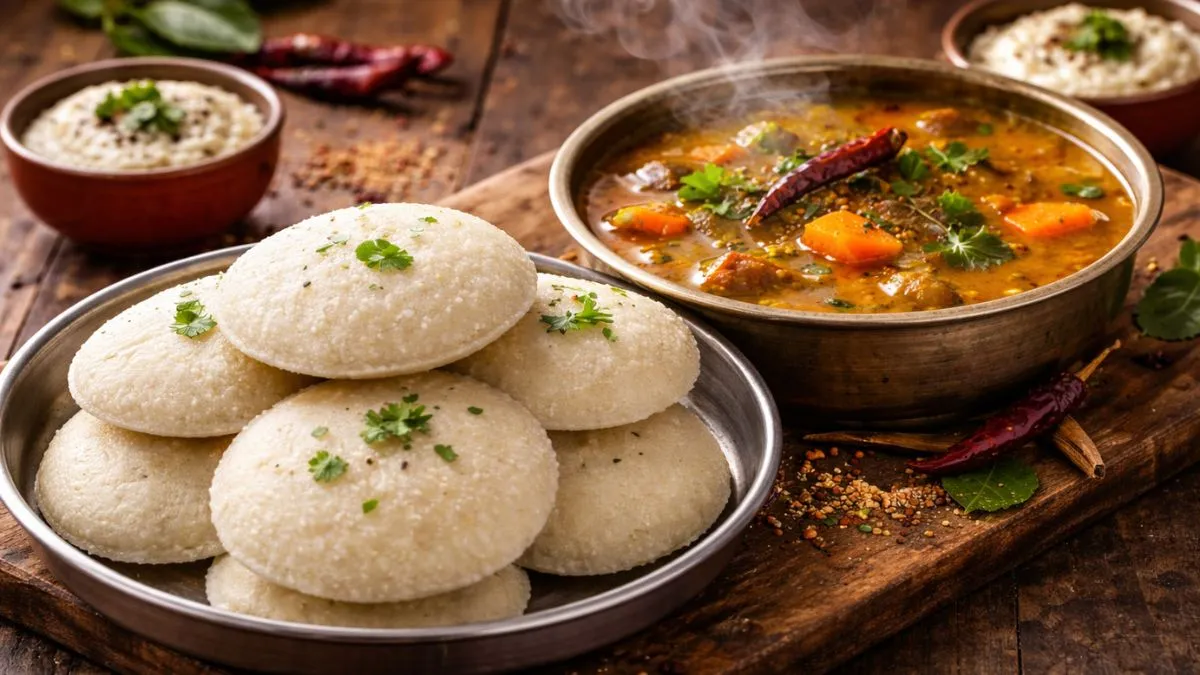
In recent years, health trends have constantly evolved—from detox juices to protein supplements and imported superfoods. However, many people are now rediscovering the value of traditional Indian home-cooked meals, especially as awareness about gut health and digestive wellness grows.
According to celebrity dietician Simrat Kathuria, this renewed interest is not surprising. Traditional Indian foods naturally contain probiotics, fibre, and digestive spices, all of which play an important role in maintaining a healthy gut microbiome.
Understanding the Gut Microbiome
The Gut Microbiome refers to the vast community of microorganisms living in the human digestive system. These microbes play a crucial role in several bodily functions, including:
- Digestion and nutrient absorption
- Immune system regulation
- Metabolism and energy balance
- Mental health through the gut–brain connection
“A healthy gut microbiome supports overall wellbeing,” Kathuria explains. “Many foods that help maintain this balance have long been part of traditional Indian diets.”
Fermented Foods: Natural Sources of Probiotics
One of the biggest strengths of traditional Indian cuisine is the regular use of fermented foods, which naturally contain beneficial bacteria that support digestion.
Common examples include:
- Dahi (yogurt)
- Kanji (fermented carrot or beet drink)
- Idli
- Indian pickles
These foods introduce natural probiotics into the digestive system, helping maintain a healthy balance of gut bacteria.
Regular consumption of fermented foods may help:
- Improve digestion
- Strengthen immunity
- Reduce bloating and digestive discomfort
Fibre-Rich Ingredients in Traditional Diets
Traditional Indian meals are typically built around whole grains, lentils, vegetables, and millets, all of which are rich sources of dietary fibre.
Examples include:
- **Millet grains such as bajra and jowar
- **Lentil dishes like dal
- Whole wheat rotis
- Seasonal vegetables
Fibre plays a crucial role in digestive health because it:
- Feeds beneficial gut bacteria
- Supports regular bowel movements
- Helps regulate blood sugar levels
- Contributes to long-term metabolic health
Modern diets filled with ultra-processed foods often lack this fibre diversity, which can negatively impact digestive health.
Digestive Benefits of Traditional Indian Spices
Another important feature of Indian cooking is the daily use of spices known for their medicinal and digestive properties.
Some commonly used spices include:
- Turmeric
- Cumin
- Ginger
- Ajwain
These spices are known for their anti-inflammatory, antioxidant, and digestive-supporting properties. They help stimulate digestive enzymes, reduce inflammation, and protect the stomach lining.
For centuries, these ingredients have been used not only for flavor but also as part of traditional wellness practices such as Ayurveda.
Why People Are Returning to Traditional Meals
The growing awareness of gut health has encouraged many individuals to rethink their eating habits. Traditional Indian meals offer several advantages:
- Balanced nutrition from whole ingredients
- Seasonal produce that aligns with natural cycles
- Minimal processing compared to packaged foods
- Slow cooking methods that preserve nutrients
Unlike modern fad diets, traditional meals focus on variety, moderation, and balance.
A Simple Way to Improve Gut Health
According to Simrat Kathuria, improving gut health does not always require complicated diet plans or expensive superfoods.
Sometimes the most effective approach is simply returning to familiar foods that have been part of Indian kitchens for generations—dal simmering on the stove, freshly prepared vegetables, homemade yogurt, and spices warming gently in a pan.
These everyday foods may not seem trendy, but they provide a powerful foundation for digestive health and overall wellbeing.


Sara Arjun & Ishaan Khatter Spotted Outside Wankhede After Ad Buzz, Video Goes Viral

Rohit Sharma–Ryan Rickelton Create History as Mumbai Indians Beat KKR in IPL 2026 Thriller

Australia Women Dominate West Indies in 1st ODI Despite Stafanie Taylor’s Heroics

Ex-Cricketer Shikhar Dhawan Buys Ultra-Luxury Apartment Worth ₹69 Crore in Gurugram

Delhi Police SI Neetu Bisht Caught Taking ₹20 Lakh Bribe – Shocking Details Emerge in Corruption Probe

Telegram Channels Disseminating Pro‑Russian Propaganda in Poland
-
 Celebrity Lifestyle11 months ago
Ex-Cricketer Shikhar Dhawan Buys Ultra-Luxury Apartment Worth ₹69 Crore in Gurugram
-
 Crime & Investigation8 months ago
Delhi Police SI Neetu Bisht Caught Taking ₹20 Lakh Bribe – Shocking Details Emerge in Corruption Probe
-
 Glamour & Entertainment9 months ago
Telegram Channels Disseminating Pro‑Russian Propaganda in Poland
-

 Bollywood8 months ago
No ₹3 Lakh Fine or 2-Year Jail: The Truth Behind the ‘Hakla’ GIF Buzz
-

 Entertainment10 months ago
Abhijeet & Dr Tarika Reunite in CID 2 — Fans Say ‘Clear the Misunderstanding Now
-

 Business10 months ago
Amazon sets 30‑day relocation deadline for corporate staff—opt out by resigning in 60 days
-

 Travel & Adventure9 months ago
Best Places to Hangout in Delhi (2025): Top 10 Picks for Fun & Chill
-

 Economy & Business10 months ago
📈 Indian Stock Market Soars in June 2025 Amid RBI Rate Cut and Foreign Investment Boost