
Health & Wellness
Diabetes: Types, Symptoms, Causes, Tests, Treatment and Prevention

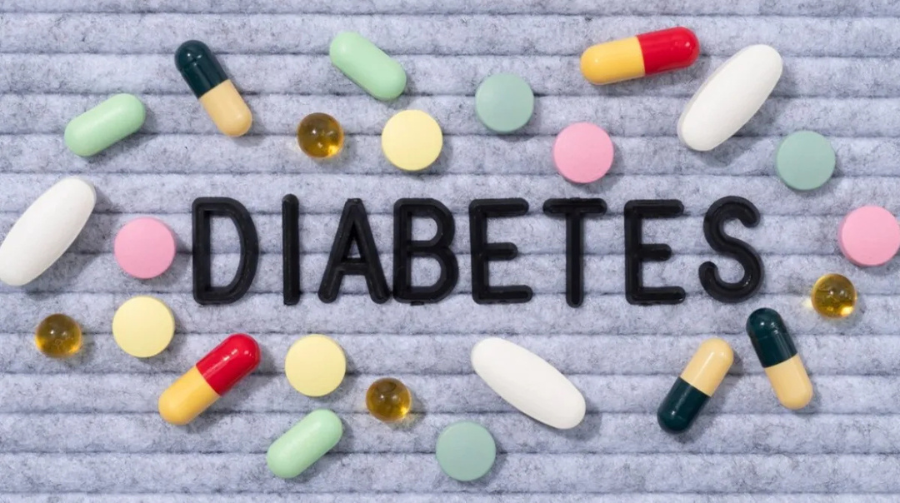
Diabetes is one of the fastest-growing health challenges in the world today. With millions of new cases being reported every year, the condition is no longer seen as a “lifestyle disease” affecting only the elderly—it is increasingly striking younger people, including teenagers and even children. From the early warning signs to the best diagnostic tests, daily diet tips, treatment options, and prevention strategies, this article provides a comprehensive guide, enriched with doctor insights, to help you understand and manage blood sugar effectively.
What is Diabetes?
At its core, diabetes is a chronic condition where the body either does not produce enough insulin or cannot use it effectively. Insulin is the hormone responsible for moving glucose (sugar) from the bloodstream into the cells for energy. When this process malfunctions, sugar remains in the blood, leading to high blood sugar levels (hyperglycemia).
Over time, this excess sugar acts like a slow poison, damaging vital organs including the heart, kidneys, eyes, and nerves. That’s why doctors emphasize not just controlling diabetes but also early diagnosis and lifestyle management.
[Reviewed by Dr. Ashok Kumar Jhingan, Senior Director, Centre for Diabetes, Thyroid, Obesity & Endocrinology, BLK-MAX Super Speciality Hospital.]

Types of Diabetes
- Type 1 Diabetes
- An autoimmune condition where the body’s immune system attacks insulin-producing cells.
- Usually diagnosed in children, teenagers, or young adults.
- Requires lifelong insulin therapy for survival.
- Type 2 Diabetes
- The most common type, often linked with obesity, lack of exercise, poor diet, and genetics.
- Once considered an “adult-onset” disease, it is now increasingly diagnosed in children and adolescents.
- Can often be managed with lifestyle changes, oral medications, and sometimes insulin.
- Gestational Diabetes
- Occurs only during pregnancy when hormonal changes interfere with insulin function.
- Usually disappears after childbirth but increases the future risk of Type 2 diabetes for both mother and child.
Diabetes in India and Worldwide
- India has earned the unfortunate title of being the “diabetes capital of the world.”
- According to the ICMR-INDIAB study, around 11.4% of Indians now have diabetes, with urban areas reporting 17.2% prevalence and rural areas 9.4%.
- Globally, India is home to 212 million diabetics, more than any other country.
The rapid rise of diabetes in both urban and rural India is a warning sign. Factors such as fast food consumption, sedentary jobs, stress, lack of exercise, and genetic predisposition are fueling this epidemic.

Why Diabetes is Rising in Young People
- Youth-onset Type 2 Diabetes is becoming alarmingly common.
- In the STRiDE-I study (South India), diabetes in young adults rose from 4.5% to 7.8% in just 10 years.
- Children with Type 1 Diabetes are also on the rise, with nearly 95,600 Indian children under 14 currently living with it.
Why this matters:
- Early diabetes means longer disease burden—living with the condition for decades.
- Complications show up sooner—heart, kidney, and nerve problems appear earlier.
- It places a financial and emotional strain on families.
Early Signs and Symptoms
Diabetes develops quietly, often without dramatic symptoms at first. That’s why it is sometimes called a “silent disease.” But the body usually gives some warning signals.
Common symptoms include:
- Frequent urination (especially at night)
- Excessive thirst
- Constant fatigue
- Blurred vision
- Unexplained weight loss
Silent or lesser-known symptoms:
- Slow healing wounds
- Frequent infections (UTIs, skin, yeast infections in women)
- Tingling or numbness in hands/feet (early neuropathy)
- Mood changes, depression, or unusual irritability
- Excessive sleepiness or confusion in elderly
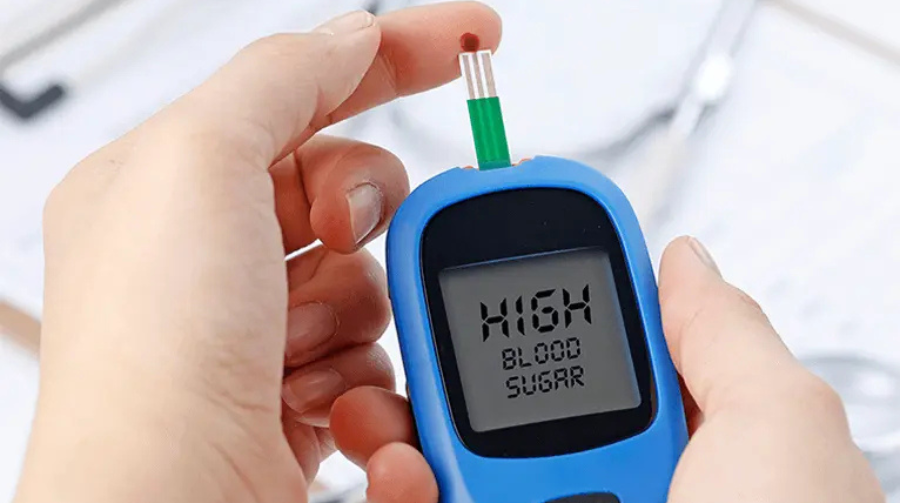
Causes and Risk Factors
- Genetic factors – family history raises the risk.
- Lifestyle habits – poor diet, lack of physical activity, smoking, alcohol.
- Obesity & Insulin Resistance – excess belly fat worsens insulin response.
- Stress & Poor Sleep – both disrupt hormone balance and sugar control.
Complications of Untreated Diabetes
If left uncontrolled, diabetes can cause life-threatening complications:
- Eye problems (diabetic retinopathy → blindness)
- Kidney damage (leading to dialysis or transplant)
- Heart disease (stroke, heart attacks)
- Nerve damage (neuropathy, amputations)
Diagnosis and Tests
Doctors use blood tests to confirm diabetes:
- Fasting Blood Sugar (≥126 mg/dl)
- HbA1c Test (≥6.5%) → shows 3-month sugar average
- Random Blood Sugar (>200 mg/dl with symptoms)
💰 In India, these tests are affordable and widely available (Rs. 100–800).
Diabetes in Women
Women often face unique challenges:
- Link between PCOS and diabetes → insulin resistance makes women with PCOS more prone.
- Gestational Diabetes during pregnancy → risks for both mother and baby.
- Unique symptoms like frequent UTIs, vaginal infections, sexual discomfort, irregular cycles.
Can Diabetes Be Cured?
- Type 1: No cure, lifelong insulin required.
- Type 2: No permanent cure, but remission is possible with weight loss, diet, and lifestyle changes.
- Gestational: Usually resolves post-pregnancy, but needs monitoring.
Diet and Foods to Avoid
- ❌ Refined sugar, white rice, fried snacks, sugary drinks.
- ✅ Whole grains, lentils, vegetables, fruits (in moderation), nuts, seeds, and high-fiber foods.
Complementary Care: Ayurveda & Home Remedies
🌿 Some natural remedies may support sugar control:
- Fenugreek seeds (Methi) – improve insulin use.
- Cinnamon (Dalchini) – boosts insulin sensitivity.
- Jamun fruit/seed – slows sugar absorption.
- Giloy (Guduchi) – reduces inflammation, supports immunity.
⚠️ These are not substitutes for medical treatment. Always consult your doctor.
Prevention Tips
- Maintain a healthy weight (even 5–7% weight loss helps).
- Exercise regularly (30 mins brisk walk daily).
- Eat balanced, fiber-rich meals.
- Get annual health checkups, especially if you have family history.
- Manage stress & sleep better.
Living Well with Diabetes
Having diabetes doesn’t mean giving up on a full, happy life. Many celebrities openly manage their diabetes—like Nick Jonas, Sonam Kapoor, and Tom Hanks—while inspiring others.
💡 Key to long-term success:
- Build sustainable habits, not short-term diets.
- Monitor sugar regularly.
- Stay in touch with doctors.
- Prioritize mental health and joy.
Final Word
Diabetes is not just about sugar—it’s about your entire lifestyle. With early diagnosis, timely treatment, and mindful daily choices, you can prevent complications and live a long, healthy, active life. Think of managing diabetes not as a restriction, but as an opportunity to take better care of yourself—today and for the years ahead.


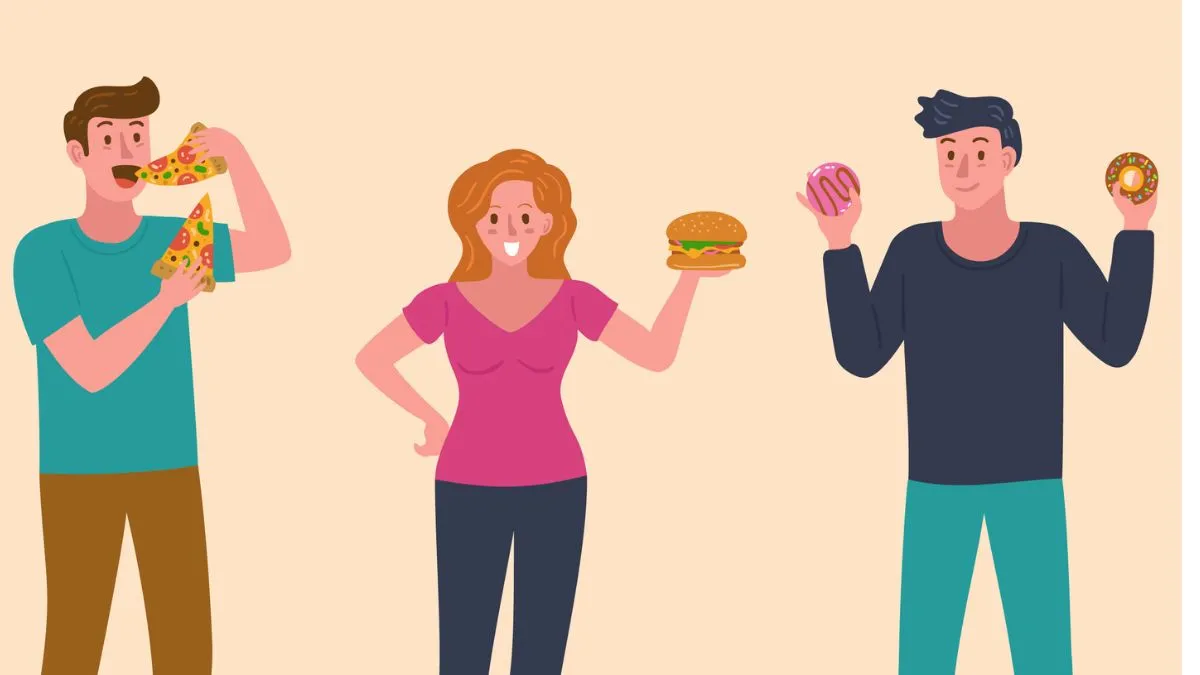
such as sleep quality, stress management, and consistent eating patterns also influence metabolic balance.
Rethinking What “Healthy” Really Means
Experts increasingly stress that health cannot be judged purely by appearance. A person may appear slim but still have underlying metabolic risks.
“True health is about how efficiently the body processes food, regulates energy, and responds to stress,” Dr Bhandary says.
Rather than focusing only on body weight, experts recommend adopting a holistic approach to health, which includes balanced nutrition, regular physical activity, good sleep, and routine health check-ups.
“Real prevention is not about trying to be thin,” Dr Bhandary concludes. “It is about building a lifestyle that supports the body’s internal balance and long-term wellbeing.”

Getting vaccinated against the Human Papillomavirus (HPV) is a crucial step in protecting both girls and boys from HPV-related infections and cancers, including cervical, anal, and throat cancers. While the HPV vaccine is proven to be safe and effective, following simple aftercare measures can help reduce discomfort and ensure a smooth recovery.
Doctors recommend HPV vaccination for children, adolescents, and young adults, and in certain cases, for older age groups as well. Parents are advised to vaccinate their children as per medical guidance to ensure long-term protection.
According to Dr Pratima Thamke, Consultant Obstetrician and Gynaecologist at Motherhood Hospital, Kharghar, Mumbai, proper aftercare plays an important role in managing mild side effects and supporting the body’s immune response after vaccination.
What to Expect After the HPV Vaccine
Most people experience mild and temporary side effects, which usually resolve within 2–3 days. These reactions are a normal sign that the body is building protection against the virus.
Common post-vaccination effects include:
- Pain, redness, or swelling at the injection site
- Mild fever
- Headache or fatigue
- Dizziness or lightheadedness
- Body aches
Teenagers, in particular, may feel faint shortly after the injection, which is why monitoring is essential.
HPV Vaccine Aftercare: Do’s
✔ Stay at the clinic for 15–30 minutes after vaccination to monitor for rare allergic reactions or fainting episodes.
✔ Sit or lie down if feeling dizzy, especially in adolescents, to prevent falls or injuries.
✔ Apply a clean, cool compress to the injection site to reduce pain and swelling.
✔ Move the arm gently instead of keeping it completely still to ease stiffness.
✔ Drink plenty of fluids, including water, soups, and electrolyte drinks, to stay hydrated.
✔ Get adequate rest, allowing the body to recover and respond effectively to the vaccine.
✔ Take medication for pain or fever only if prescribed by a doctor.
✔ Eat a light meal before vaccination, especially for children, to reduce the risk of dizziness.
HPV Vaccine Aftercare: Don’ts
✘ Avoid massaging or rubbing the injection site for at least 24 hours, even if soreness is present.
✘ Do not engage in strenuous physical activity or intense workouts for a day or two after vaccination.
✘ Avoid smoking and alcohol consumption, as they may interfere with recovery and immune response.
✘ Do not self-medicate without medical advice, as improper medication use can be harmful.
✘ Avoid heavy or oily meals, particularly for children and teenagers, immediately after vaccination.
Special Precautions to Keep in Mind
- Contact a doctor immediately if there is a high fever lasting more than 48 hours, severe swelling or redness, intense pain at the injection site, breathing difficulty, or rash.
- Pregnant women should inform their doctor before receiving the HPV vaccine and strictly follow medical guidance.
- If a dose is missed, the vaccination series does not need to be restarted—the remaining dose can be taken as advised by the healthcare provider.
- Completing the full vaccine schedule is essential for maximum protection.
Why HPV Vaccine Aftercare Matters
Proper aftercare helps minimize discomfort, supports the immune system, and ensures the vaccine works effectively. With adequate rest, hydration, and monitoring of mild side effects, most people recover quickly and resume normal daily activities within a short time.
The HPV vaccine remains a critical preventive measure for long-term health. Clearing doubts with a qualified medical expert helps individuals and parents make informed decisions and approach vaccination with confidence.
Disclaimer
The information provided in this article is for general awareness only and should not be considered professional medical advice. Always consult a doctor or qualified healthcare provider for personalized guidance regarding vaccination, side effects, or health concerns.
Health & Wellness
Not Ready for Big Resolutions? Psychologist Shares Simple Mental Health Habits That Truly Help


January often arrives with mixed emotions. While the start of a new year brings hope and motivation, it can also feel overwhelming, loaded with expectations to “do better,” “be happier,” or completely reinvent oneself. Mental health experts say this pressure to change everything at once can do more harm than good.
According to Dr Gauri Raut, Clinical Psychologist at Dr L H Hiranandani Hospital, Powai, mental well-being is not about maintaining constant positivity but about developing a healthy relationship with one’s emotions.
“Good mental health doesn’t mean the absence of stress, sadness, or difficult days,” Dr Raut explains. “It means recognising all emotions—pleasant or unpleasant—and responding to them with balance and awareness.”
Start With Awareness, Not Self-Judgement
One of the simplest and most effective mental health practices to begin the year with is emotional awareness. Feelings like anxiety, irritability, sadness, or frustration are natural human experiences.
“When we pause and notice what we are feeling instead of judging it, we shift from reacting impulsively to responding thoughtfully,” says Dr Raut. This mindful awareness allows people to regulate their emotions rather than feel overwhelmed by them.
She also stresses that having bad days does not indicate failure. “Mental health naturally fluctuates. The goal is not to eliminate difficult emotions but to build resilience so you can recover more quickly and avoid getting stuck.”
Use Movement as Emotional Support
Physical movement plays a powerful role in emotional well-being. Regular activity helps release endorphins, the brain’s natural mood-enhancing chemicals, which reduce stress and promote emotional balance.
“The type of exercise matters less than consistency,” Dr Raut notes. “Walking, yoga, stretching, dancing, or gym workouts—all of these are beneficial when done regularly.”
Setting gentle, realistic movement goals in January, instead of extreme fitness resolutions, increases the likelihood of sustaining the habit long term and experiencing its mental health benefits.
Build a Gentle Daily Structure
Creating a simple routine can significantly support mental stability, especially during uncertain or stressful times. A predictable daily structure provides a sense of safety and control.
“A routine acts as an emotional anchor,” Dr Raut explains. “It helps the mind feel grounded when life feels unpredictable.”
This does not mean rigid planning. Small anchors—like consistent wake-up times, regular meals, defined work hours, and intentional breaks—can help regulate mood and reduce anxiety.
Make Space for Rest and Solitude
In a fast-paced, digitally connected world, rest is often overlooked. January offers a valuable opportunity to slow down and reconnect with oneself.
Taking short breaks from screens, spending time alone, and engaging in calming activities such as reading, listening to music, journaling, or simply sitting quietly can help process emotions and restore mental energy.
“Rest is not laziness,” Dr Raut emphasises. “It’s an essential part of mental health. Balancing work, personal responsibilities, and downtime allows the nervous system to reset.”
Progress Matters More Than Perfection
Perhaps the most important mental health reminder for the new year is to let go of perfectionism. Emotional growth and healing happen gradually.
“Small, consistent practices are far more effective than dramatic changes,” says Dr Raut. “Mental health is built day by day through awareness, movement, routine, and self-compassion.”
January does not require grand resolutions to improve mental well-being. Gentle habits—listening to your emotions, moving your body regularly, maintaining simple routines, and allowing yourself to rest—can quietly strengthen mental health over time.
Starting slowly, staying consistent, and treating yourself with kindness may be the healthiest way to step into the year ahead.


Why Traditional Indian Foods Are Making a Comeback for Gut Health

Gladiator II on OTT: Where to Stream the Epic Historical Drama Online

Michael Vaughan Calls South Africa national cricket team the ‘Stupidest Team’ After India national cricket team Wins ICC Men’s T20 World Cup 2026

Ex-Cricketer Shikhar Dhawan Buys Ultra-Luxury Apartment Worth ₹69 Crore in Gurugram

Delhi Police SI Neetu Bisht Caught Taking ₹20 Lakh Bribe – Shocking Details Emerge in Corruption Probe

Telegram Channels Disseminating Pro‑Russian Propaganda in Poland
-
 Celebrity Lifestyle10 months ago
Ex-Cricketer Shikhar Dhawan Buys Ultra-Luxury Apartment Worth ₹69 Crore in Gurugram
-
 Crime & Investigation8 months ago
Delhi Police SI Neetu Bisht Caught Taking ₹20 Lakh Bribe – Shocking Details Emerge in Corruption Probe
-
 Glamour & Entertainment9 months ago
Telegram Channels Disseminating Pro‑Russian Propaganda in Poland
-

 Bollywood7 months ago
No ₹3 Lakh Fine or 2-Year Jail: The Truth Behind the ‘Hakla’ GIF Buzz
-

 Entertainment9 months ago
Abhijeet & Dr Tarika Reunite in CID 2 — Fans Say ‘Clear the Misunderstanding Now
-

 Business9 months ago
Amazon sets 30‑day relocation deadline for corporate staff—opt out by resigning in 60 days
-

 Travel & Adventure9 months ago
Best Places to Hangout in Delhi (2025): Top 10 Picks for Fun & Chill
-

 Economy & Business9 months ago
📈 Indian Stock Market Soars in June 2025 Amid RBI Rate Cut and Foreign Investment Boost