
Festivals
August 2025 festivals in India: From Rakhi to Ganesh Chaturthi

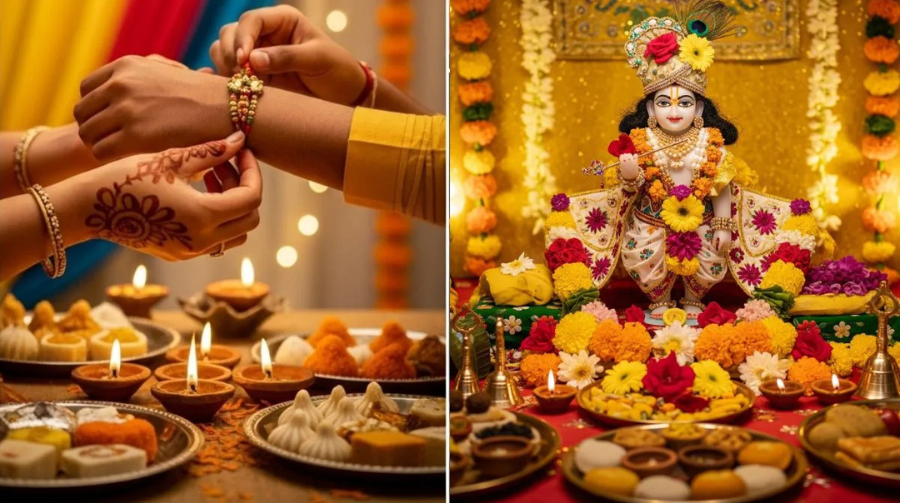
August 2025 shines brightest in the Hindu calendar, spanning Shravana and Bhadrapada months, and offering a flood of major festivals, fasting days (vrats), and rituals. It’s a vibrant season of devotion, family, and cultural celebration across India.
Key Dates and Major Festivals
Raksha Bandhan – Saturday, August 9, 2025
Also called Rakhi Purnima or Shravana Purnima, this festival is marked by sisters tying rakhis to brothers, symbolizing protection and love. Indian calendars note the importance of avoiding inauspicious Bhadra time when selecting the auspicious timing.
Independence Day – Friday, August 15, 2025
India’s national holiday, featuring flag-hoisting ceremonies, patriotic events, and widespread school and public holidays.
Krishna Janmashtami – Friday, August 15 & Saturday, August 16, 2025
Celebrating Lord Krishna’s birth, with midnight pujas, fasting, devotional singing, and Dahi Handi (human pyramids breaking curd pots) in many regions. Two traditions: Smarta celebrates on August 15, while ISKCON observes on August 16.
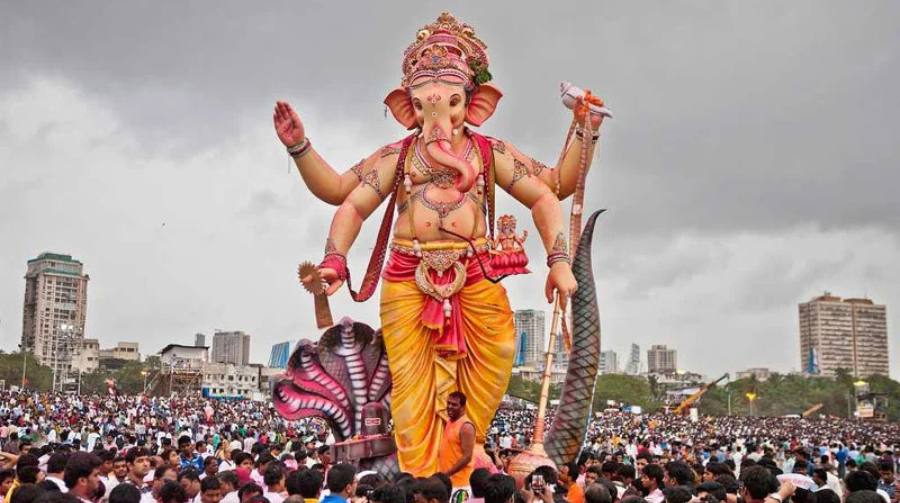
Ganesh Chaturthi – Wednesday, August 27, 2025
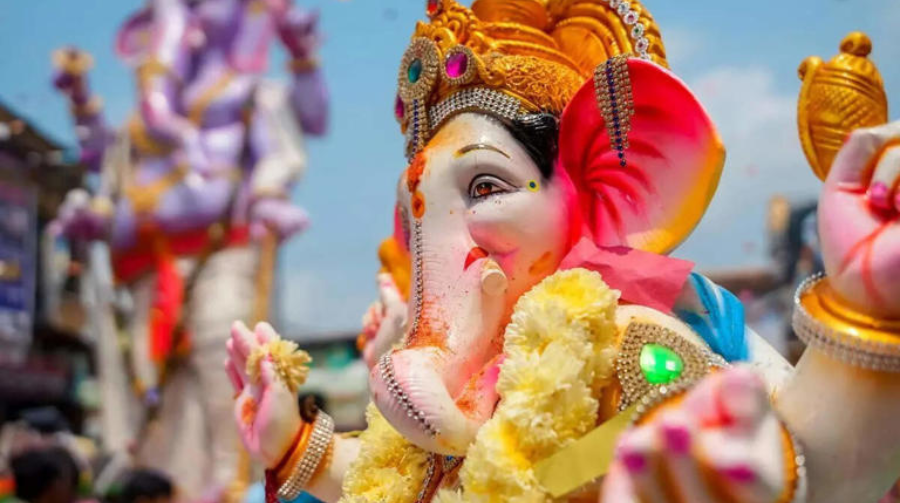
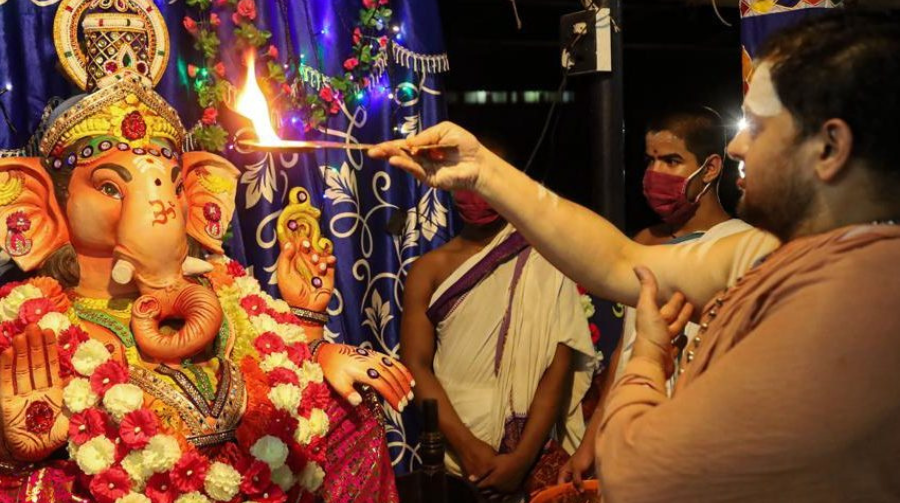
Honoring Lord Ganesha’s birth with idol installations, community pandals, devotional singing, and culminating in visarjana (idol immersion) after several days of festivities.
Rituals & Vrata Throughout the Month
August includes an array of fasting and devotional days:
- Ekadashi Vrats, Budha Pradosh, Purnimas, Amavasyas
- Other important dates: Varalakshmi Vrat, Kajari Teej (August 12), Hartalika Teej (August 26), Rishi Panchami (August 28)
- Paryushan Parva (Jain festival of forgiveness) runs from August 20–27, ending with Samvatsari.
Regional & Cultural Celebrations
- Aadi Perukku – August 3 (Tamil Nadu): Worship of water bodies for prosperity during monsoon.
- Naga Panchami – August 13 (Gujarat and other regions): Snake worship and offering milk to cobras.
- Balarama Jayanti – August 14, alongside national holiday celebrations.
Festival Calendar (Highlight Dates)
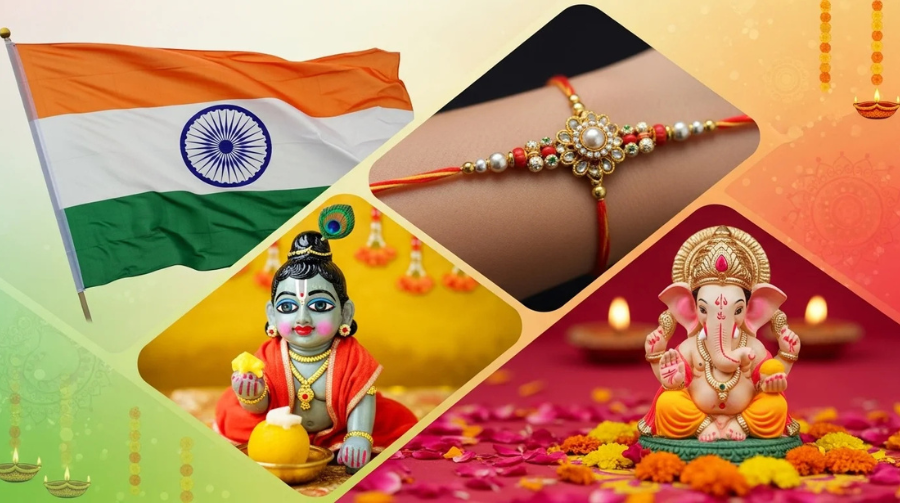
| Date | Festival(s) |
|---|---|
| Aug 3 | Aadi Perukku, Friendship Day |
| Aug 5–6 | Mangala Gauri Vrat, Damodara Dwadashi, Budha Pradosh |
| Aug 8 | Varalakshmi Vrat |
| Aug 9 | Raksha Bandhan, Sanskrit Diwas, Gayatri Jayanti |
| Aug 12 | Kajari Teej, Sankashti, Nag Panchami |
| Aug 15–16 | Krishna Janmashtami (Smarta & ISKCON) |
| Aug 27 | Ganesh Chaturthi |
| Aug 26 | Hartalika Teej, start of Onam (Kerala begins Aug 26–Sep 5) |
What It Means for Families and Communities
- Travel and school closures: With holidays clustered around Independence Day and Janmashtami, many offices and schools remain closed, creating long weekends ideal for family travel and cultural participation.
- Festive energy: Major cities and small towns alike buzz with themed decorations, processions, music, local fairs, and compassionate exchanges of gifts and sweets.
- Spiritual observance: Families observe vrats (fasts), pujas, charitable acts, and practices rooted in centuries-old traditions.
Festival Tips & Insight
- Use a reliable Vedic calendar (Panchang) or apps to check tithi timing to avoid mistakes like tying Rakhi during the inauspicious Bhadra period.
- Cultural diversity is rich in August: enjoy regional flavors like Kerala’s Onam fairs and Maharashtra’s Dahi Handi celebrations.
- Respect fasting customs by planning meals, hydration, and transport accordingly.
- Since many festivals span midnight or multiple days, check local observance times specific to your city or community.
Final Reflection
August 2025 is a time of vibrant spiritual expression, cultural unity, and shared joy—from siblings exchanging rakhis to communities immersing Lord Ganesha’s idols. Whether you observe rituals, join feasts, or offer silent prayer, the month blends faith, family, and festivity in a tapestry of Indian heritage.




Mumbai Police have registered a First Information Report (FIR) in connection with alleged threats made against Bollywood actor Ranveer Singh. The case involves ransom demands, a threatening voice note, and references to violence targeting members of the film industry.
The investigation is currently being handled jointly by the Mumbai Crime Branch, Cyber Police, and the Anti-Extortion Cell.
📞 How the Threat Came to Light
According to police sources, Ranveer Singh’s manager received multiple threatening calls from an international number (+340), reportedly linked to the Virgin Islands.
The caller allegedly identified himself as “Harry Boxer” and demanded a ransom of ₹20 crore. When the demands were not met, a lengthy voice note was reportedly sent, warning of severe consequences.
Authorities verified the voice sample with the help of Punjab and Haryana Police, who confirmed that the voice in the recording matched that of the accused.
🎙 What Was in the Voice Note?
Police sources claim the voice note contained:
- Direct threats to Ranveer Singh
- A warning directed at filmmaker Rohit Shetty
- Statements cautioning the broader Bollywood industry
- Claims of involvement in violent incidents abroad
The accused allegedly stated that if demands were not fulfilled, “the next seven generations will remember the consequences.”
Law enforcement agencies are currently verifying the authenticity of these claims.
🚨 FIR and Investigation Details
The FIR was registered based on a formal complaint filed by Ranveer Singh’s manager.
Key investigative steps underway include:
- Tracing the international phone number
- Cyber forensics analysis of call data and voice samples
- Coordination with international authorities if required
- Examination of potential links to organised criminal networks
The actor’s home security has reportedly been strengthened, and he has been advised to follow additional safety measures during public appearances and shoots.
🔎 Possible Links to Previous Incidents
This development comes amid heightened scrutiny of criminal threats targeting the film industry.
Earlier this month, an incident involving firing outside the residence of Rohit Shetty in Mumbai’s Juhu area was reported. Authorities have arrested multiple suspects in that case.
While investigations are ongoing, police are examining whether there are any connections between the current threat and previous incidents involving organised crime groups.
At this stage, officials have not publicly confirmed any direct linkage.
⚖️ Legal Implications
If proven, the accused could face charges under:
- Criminal intimidation
- Extortion
- Cybercrime laws
- Provisions related to organised crime
Given the cross-border nature of the calls, international cooperation may be required.
🎬 Impact on the Industry
Threats against high-profile actors have, in recent years, raised concerns about security within the entertainment industry.
Production houses are reportedly reviewing security protocols, especially during outdoor shoots and public events.
Ranveer Singh has not yet issued a public statement regarding the matter.
📝 What Happens Next?
- Technical analysis of digital evidence
- Financial tracking of possible extortion attempts
- Custodial interrogation if the accused is apprehended
- Assessment of broader criminal networks
The investigation remains active, and authorities have stated that they are examining “all possible angles.”
Final Note
While the case is still under investigation, Mumbai Police have moved swiftly by registering an FIR and activating specialised units. Further updates are expected as forensic and cyber investigations progress.
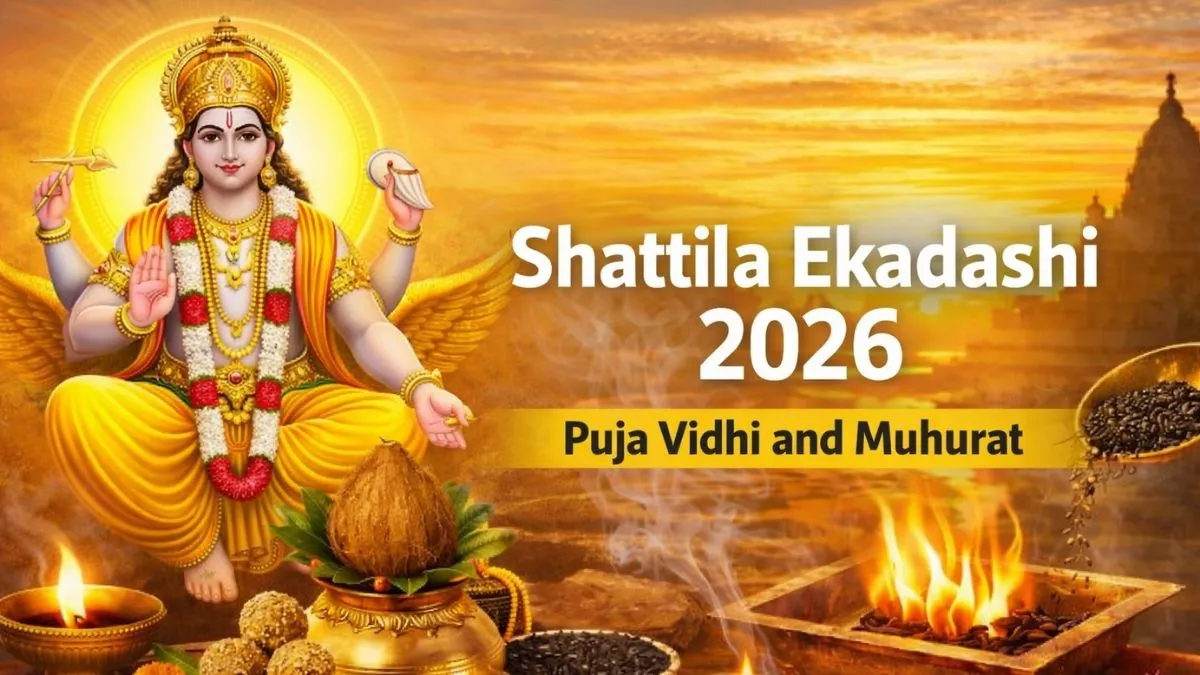
Shattila Ekadashi is regarded as one of the most spiritually rewarding Ekadashi fasts in the Hindu calendar. Observed during the Magh month, this Ekadashi is dedicated to Lord Vishnu and is uniquely associated with the use of sesame seeds (til) in fasting, worship, and charity.
According to the Panchang, Shattila Ekadashi will be observed on January 14, 2026. Devotees believe that observing the vrat with sincerity helps cleanse past sins, purify the body and mind, and attract peace and prosperity.
Below are the date, timings, rituals, vrat katha, and spiritual significance of Shattila Ekadashi.
Shattila Ekadashi 2026 date and tithi timing
As per the Vedic calendar:
- Ekadashi Tithi begins: January 13, 2026 at 3:17 pm
- Ekadashi Tithi ends: January 14, 2026 at 5:52 pm
Since the Ekadashi tithi is present at sunrise on January 14, devotees will observe Shattila Ekadashi vrat on January 14, 2026.
Auspicious yogas on Shattila Ekadashi 2026
This year, Shattila Ekadashi gains added importance due to rare auspicious combinations:
- Coincides with Makar Sankranti
- Formation of Sarvartha Siddhi Yoga
- Formation of Amrit Siddhi Yoga
Such yogas are believed to multiply the spiritual benefits of fasting, worship, and donations.
- Brahma Muhurta: 5:28 am to 6:22 am
This is considered the most sacred time to take a holy bath, take the vrat sankalp, and begin puja.
Religious significance of Shattila Ekadashi
Shattila Ekadashi holds a special place in Hindu scriptures. The word Shattila refers to the six ways sesame seeds are used on this day—through eating, bathing, offering, charity, homa, and applying paste.
Sesame seeds are believed to:
- Absorb negative karma
- Purify the soul
- Bring stability, prosperity, and spiritual growth
Worship performed with devotion on this day is said to please Lord Vishnu immensely and help devotees move closer to moksha.
Shattila Ekadashi vrat katha (story)
According to the Ekadashi Mahatmya, there once lived a devoted woman who regularly observed fasts but never donated food or wealth. Though disciplined, her lack of charity left her spiritually incomplete.
After her death, she was reborn into hardship. When she sought guidance, sages advised her to observe Shattila Ekadashi with sincere charity using sesame seeds. Upon doing so, her suffering ended, and she attained peace and prosperity.
The story highlights that fasting combined with charity is what truly completes a vrat.
Shattila Ekadashi puja vidhi
- Wake up early and take a holy bath
- Wear clean yellow or white clothes
- Clean the puja area and spread a yellow cloth
- Place idols or images of Lord Vishnu and Goddess Lakshmi
- Light a ghee lamp and incense
- Take a vow to observe the Ekadashi vrat
- Chant Om Namo Narayanaya or Vishnu Sahasranama
- Read or listen to the Ekadashi vrat katha
- Offer bhog made with sesame seeds (til laddoo, til khichdi)
- Worship Tulsi and perform abhishek with Ganga jal
Shattila Ekadashi 2026 parana time
- Parana date: January 15, 2026 (Dwadashi)
- Parana time: 7:15 am to 9:21 am
After bathing, devotees should offer prayers to Lord Vishnu, consume sattvik food with Tulsi leaves, and then break the fast respectfully.
Benefits of observing Shattila Ekadashi vrat
- Helps cleanse past sins
- Brings mental peace and clarity
- Supports spiritual discipline and self-control
- Encourages charity and compassion
- Believed to attract prosperity and divine blessings
Shattila Ekadashi is not just a ritualistic fast but a reminder of balance—discipline, devotion, and generosity—working together to nurture spiritual growth.
Festivals
Basant Panchami 2026 Date and Time: Saraswati Puja Muhurat, Tithi and Significance Explained

Basant Panchami, a festival dedicated to Goddess Saraswati, will be observed on January 23, 2026. Celebrated on the fifth day (Panchami) of the Shukla Paksha in the Hindu month of Magh, the festival marks the onset of spring and is considered highly auspicious for learning, wisdom, creativity, and new beginnings.
The day holds special meaning for students, teachers, artists, musicians, and scholars, as Goddess Saraswati is revered as the embodiment of knowledge, intellect, music, arts, and science. Basant Panchami is also known as Saraswati Puja or Shri Panchami in different parts of the country.
Basant Panchami 2026: Date and Panchami Tithi Timing
In 2026, Basant Panchami will be celebrated on Friday, January 23.
- Panchami Tithi begins: 2:28 am on January 23, 2026
- Panchami Tithi ends: 1:46 am on January 24, 2026
As the Panchami Tithi prevails throughout the day, devotees can comfortably perform Saraswati Puja on January 23.
Saraswati Puja Muhurat on Basant Panchami 2026
The most auspicious time to worship Goddess Saraswati on Basant Panchami is during the morning to midday hours.
- Saraswati Puja Muhurat: 7:15 am to 12:50 pm
Performing the puja during this time is believed to enhance wisdom, concentration, creativity, and academic success.
Importance of Basant Panchami in Hindu Tradition
Basant Panchami symbolises the gentle transition from winter to spring—a season associated with renewal, growth, and positivity. Fields of mustard flowers bloom across northern India, lending the festival its signature yellow colour, which represents prosperity, knowledge, and energy.
According to religious beliefs, Goddess Saraswati manifested on the fifth day of Magh Shukla Paksha, which is why the day is also regarded as her appearance day. Devotees dress in yellow, offer yellow flowers and sweets, and place books, musical instruments, and study materials near the idol of the goddess.
An Auspicious Day for New Beginnings
Basant Panchami is considered an Abujh Muhurat, meaning no separate muhurat is required to perform auspicious activities. On this day, people traditionally begin:
- Formal education for children (Vidyarambh)
- New business ventures
- Writing, reading, and creative pursuits
- Mundan (first haircut) and Annaprashan ceremonies
- Griha Pravesh (housewarming rituals)
In some regions, the day is also associated with Madnotsav and marks the beginning of Ratikaam Mahotsav, celebrating joy, creativity, and life.
Cultural Observance Across India
While Saraswati Puja is widely celebrated in states like West Bengal, Bihar, Odisha, Assam, and Uttar Pradesh, Basant Panchami also holds importance in Sikh traditions, where it commemorates Maharaja Ranjit Singh and seasonal festivities.
Final Note
Basant Panchami is more than just a festival—it is a reminder of the importance of learning, discipline, creativity, and inner growth. Worshipping Goddess Saraswati on this day is believed to bring clarity of thought, academic progress, and lifelong wisdom.


Sara Arjun & Ishaan Khatter Spotted Outside Wankhede After Ad Buzz, Video Goes Viral

Rohit Sharma–Ryan Rickelton Create History as Mumbai Indians Beat KKR in IPL 2026 Thriller

Australia Women Dominate West Indies in 1st ODI Despite Stafanie Taylor’s Heroics

Ex-Cricketer Shikhar Dhawan Buys Ultra-Luxury Apartment Worth ₹69 Crore in Gurugram

Delhi Police SI Neetu Bisht Caught Taking ₹20 Lakh Bribe – Shocking Details Emerge in Corruption Probe

Telegram Channels Disseminating Pro‑Russian Propaganda in Poland
-
 Celebrity Lifestyle11 months ago
Ex-Cricketer Shikhar Dhawan Buys Ultra-Luxury Apartment Worth ₹69 Crore in Gurugram
-
 Crime & Investigation8 months ago
Delhi Police SI Neetu Bisht Caught Taking ₹20 Lakh Bribe – Shocking Details Emerge in Corruption Probe
-
 Glamour & Entertainment9 months ago
Telegram Channels Disseminating Pro‑Russian Propaganda in Poland
-

 Bollywood8 months ago
No ₹3 Lakh Fine or 2-Year Jail: The Truth Behind the ‘Hakla’ GIF Buzz
-

 Entertainment10 months ago
Abhijeet & Dr Tarika Reunite in CID 2 — Fans Say ‘Clear the Misunderstanding Now
-

 Business10 months ago
Amazon sets 30‑day relocation deadline for corporate staff—opt out by resigning in 60 days
-

 Travel & Adventure9 months ago
Best Places to Hangout in Delhi (2025): Top 10 Picks for Fun & Chill
-

 Economy & Business10 months ago
📈 Indian Stock Market Soars in June 2025 Amid RBI Rate Cut and Foreign Investment Boost