
News
Bangladesh Court to Announce Verdict in Sheikh Hasina’s ‘Crimes Against Humanity’ Case on November 13


The International Crimes Tribunal (ICT) of Bangladesh has concluded the trial proceedings in the high-profile case against former Prime Minister Sheikh Hasina and two of her close associates, accused of crimes against humanity committed during the 2024 student movement. The tribunal is expected to announce its verdict on November 13, 2025, a date that could mark a historic turning point in Bangladesh’s political and judicial landscape.
⚖️ Trial Proceedings Conclude; Verdict Date Set
According to reports by Dhaka Tribune and ANI, the ICT, led by Chairman Justice Md Golam Mortuza Mozumder, wrapped up hearings on Thursday and confirmed that the verdict will be delivered on November 13. The tribunal has been investigating alleged human rights violations during the July–August 2024 student protests, which led to widespread unrest and eventually resulted in Hasina’s resignation and departure from Bangladesh.
The prosecution team, headed by Chief Prosecutor Mohammad Tajul Islam and Attorney General Mohammad Asaduzzaman, has demanded the death penalty for Hasina and former Home Minister Asaduzzaman Khan Kamal. Prosecutors claim to have presented “conclusive and irrefutable evidence” linking the two to atrocities against protesters, including cases of enforced disappearances and extrajudicial killings.
The third accused, former Inspector General of Police Chowdhury Abdullah Al-Mamun, has reportedly turned approver, admitting partial involvement and agreeing to cooperate with the investigation in exchange for leniency.

🧑⚖️ Hasina’s Defence Rejects Allegations
Hasina’s state-appointed defence lawyer, Md Amir Hossain, has categorically denied all charges, claiming the case is politically motivated. He argued that the former prime minister did not flee Bangladesh but was forced to leave amid the violent student uprising that engulfed Dhaka in 2024.
The lawyer emphasized that Hasina’s exit by helicopter was public and documented, disputing government claims that she escaped secretly to evade arrest.
🚨 Arrest Warrants and Previous Developments
Earlier, on October 8, 2025, the ICT issued arrest warrants for 30 individuals, including Sheikh Hasina, in connection with two separate cases related to crimes against humanity and enforced disappearances during her tenure as prime minister under the Awami League government.
The tribunal directed law enforcement agencies to locate and present the accused in court by October 22. Hasina, who has been living abroad since August 2024, has not returned to Bangladesh since her ouster and faces multiple charges of human rights abuses, corruption, and abuse of power.
🇧🇩 Background: The 2024 Student Uprising
The July–August 2024 student movement marked one of the most turbulent periods in Bangladesh’s recent history. Initially triggered by demands for educational reform and job quotas, the protests quickly escalated into a nationwide movement calling for Hasina’s resignation over allegations of authoritarian governance and police brutality.
The demonstrations led to hundreds of injuries and dozens of deaths, drawing international condemnation. Hasina’s government responded with a heavy-handed crackdown, which prosecutors now describe as “a campaign of systematic oppression.”
Following weeks of unrest and a loss of military backing, Sheikh Hasina resigned in August 2024 and reportedly left the country via helicopter amid widespread chaos.
🌍 International Reactions and Human Rights Concerns
The ongoing trial has drawn global attention. Human rights organizations, including Amnesty International and Human Rights Watch, have urged Bangladesh’s judiciary to ensure a fair and transparent process, cautioning against politically influenced retribution.
Meanwhile, supporters of Hasina claim that the charges are part of a political vendetta orchestrated by her rivals to prevent her return to power.
Diplomatic observers also note that the verdict could significantly impact Bangladesh’s international relations, particularly with India, China, and Western allies, all of whom have been closely monitoring the proceedings.
📅 What Happens Next
- The ICT will deliver its verdict on November 13, 2025.
- If convicted, Sheikh Hasina and Asaduzzaman Khan Kamal could face the death penalty.
- The tribunal’s ruling may trigger political upheaval, protests, and renewed calls for accountability.
- The Bangladesh government is reportedly preparing for heightened security measures in Dhaka and other major cities around the verdict date.
📰 Summary
- Verdict Date: November 13, 2025
- Charges: Crimes against humanity during 2024 student uprising
- Accused: Sheikh Hasina, Asaduzzaman Khan Kamal, Chowdhury Abdullah Al-Mamun
- Prosecution Demand: Death penalty for Hasina and Kamal
- Defence Claim: Hasina was forced to flee; charges are politically motivated
- Backdrop: Hasina’s fall amid 2024 student protests and regime change















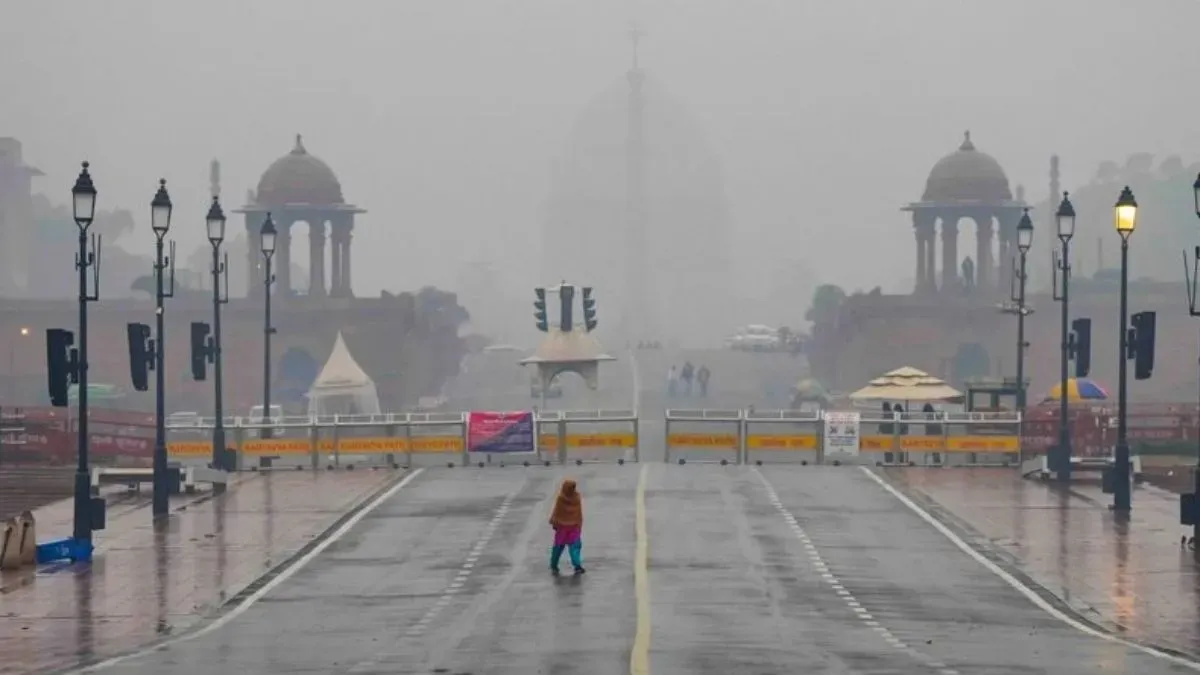
Cold conditions have made a strong comeback in Delhi after fresh rainfall swept across parts of the Delhi-NCR region on January 23. The sudden change in weather brought a sharp dip in temperatures, along with much-needed relief from rising pollution levels.
🌡️ Noticeable Drop in Temperature
According to the India Meteorological Department (IMD), the mercury fell below 10°C following the rain. This marks a significant shift from the relatively warmer conditions experienced earlier in the week.
- Maximum temperature: Around 20°C
- Minimum temperature: Likely to dip to 6°C
- Trend: Further decline expected over the next 48 hours
The combination of rainfall and cool northerly winds is expected to intensify the winter chill across the capital.
🌧️ Rainfall Improves Air Quality
The rainfall played a crucial role in improving Delhi’s air quality. Pollutants were washed out of the atmosphere, resulting in:
- Better visibility
- Cleaner air across multiple monitoring stations
- Reduced smog levels
Clear skies and brisk winds followed the rain, offering a refreshing change for residents.
📊 Wettest January Day in Two Years
This rainfall event also turned out to be one of the most significant in recent times. It marked Delhi’s wettest January day in two years.
Rainfall recorded between 8:30 AM and 5:30 PM:
- Ridge: 17.4 mm
- Palam: 14.0 mm
- Lodi Road: 13.4 mm
- Safdarjung: 13.2 mm
- Ayanagar: 11.5 mm
For comparison, the highest January rainfall in recent years was recorded on January 30, 2023, with 20.4 mm.
🌫️ Fog and Cold Conditions Ahead
Meteorologists predict that the falling temperatures may lead to:
- Cold day conditions in isolated areas
- Shallow morning fog, especially in low-lying regions
- Increased discomfort during early mornings and late nights
While no severe cold wave warning has been issued yet, weather conditions are being closely monitored.
🌆 Weather in Other North Indian Cities
Weather patterns across northern India show similar winter trends:
- Lucknow: Light morning rain, minimum around 10°C
- Patna: Clear skies, minimum near 13°C
- Jaipur: Partly cloudy, minimum around 5°C
🔍 What Residents Should Expect
- Colder days over the next two days
- Possible intermittent light rain
- Improved air quality but chilly conditions
- Foggy mornings affecting visibility
Residents are advised to wear warm clothing and take precautions, particularly during early morning and nighttime hours.
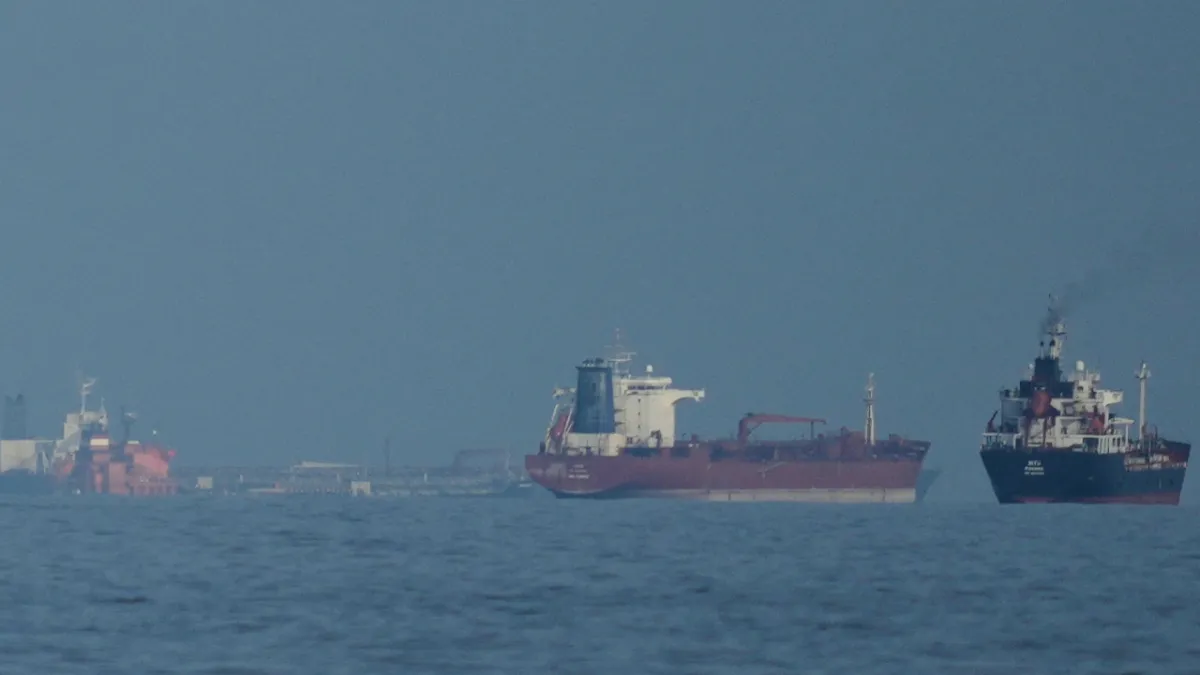
Amid rising tensions in the Middle East, Iran has reportedly allowed Indian ships to safely pass through the strategic Strait of Hormuz. In a significant development, an Indian vessel carrying 40,000 metric tonnes of liquefied petroleum gas (LPG) has successfully crossed the crucial maritime route and is expected to reach the Indian coast within a week.
The vessel, named Shivalik, departed from Bandar Abbas port in Iran and crossed the Strait of Hormuz a few hours ago, according to sources. It is currently being escorted by the Indian Navy as it travels toward India.
Diplomatic Talks Between India and Iran
The safe passage comes after several rounds of diplomatic engagement between India and Iran amid escalating regional tensions.
The latest discussion reportedly took place between Narendra Modi, Prime Minister of India, and Masoud Pezeshkian, the President of Iran. Their conversation focused on maintaining stability in energy supply routes and ensuring safe maritime navigation for Indian ships.
Sources said another Indian vessel is also expected to cross the Strait soon and dock at an Indian port in the coming days.
Impact of Middle East Conflict on Shipping Routes
Tensions in the region intensified following air strikes conducted on February 28 by the United States and Israel against targets in Iran. The conflict raised fears that Iran might block the Strait of Hormuz, one of the world’s most critical oil shipping routes.
The Strait of Hormuz connects the Persian Gulf with the Gulf of Oman and is responsible for the transit of a significant portion of global oil and gas shipments. Any disruption in this narrow waterway can severely affect global energy markets.
Reports of restricted access to the strait have already pushed global crude oil prices upward, reflecting concerns about supply disruptions.
Iran Reassures India on Safe Navigation
Earlier in the day, Iran’s Ambassador to India, Mohammad Fathali, reassured that Indian vessels would be allowed to pass through safely.
He stated that India and Iran share strong bilateral relations and common regional interests, adding that the situation would become clear within hours as ships continued to pass through the strait.
Meanwhile, Abdul Majid Hakeem Ilahi, the representative of Iran’s Supreme Leader in India, clarified that Iran has not officially closed the Strait of Hormuz despite the ongoing conflict.
He acknowledged that navigation has become more difficult due to regional tensions but confirmed that several ships are still using the route.
Why the Strait of Hormuz Matters
The Strait of Hormuz is widely considered one of the most important maritime chokepoints in the world. Nearly one-fifth of the global oil supply passes through this narrow passage every day.
For India, the route is crucial because the country imports a large portion of its crude oil and LPG from West Asian nations.
Ensuring uninterrupted access to this sea lane is essential for:
- Maintaining India’s energy security
- Stabilizing domestic fuel prices
- Preventing disruptions in global energy supply chains
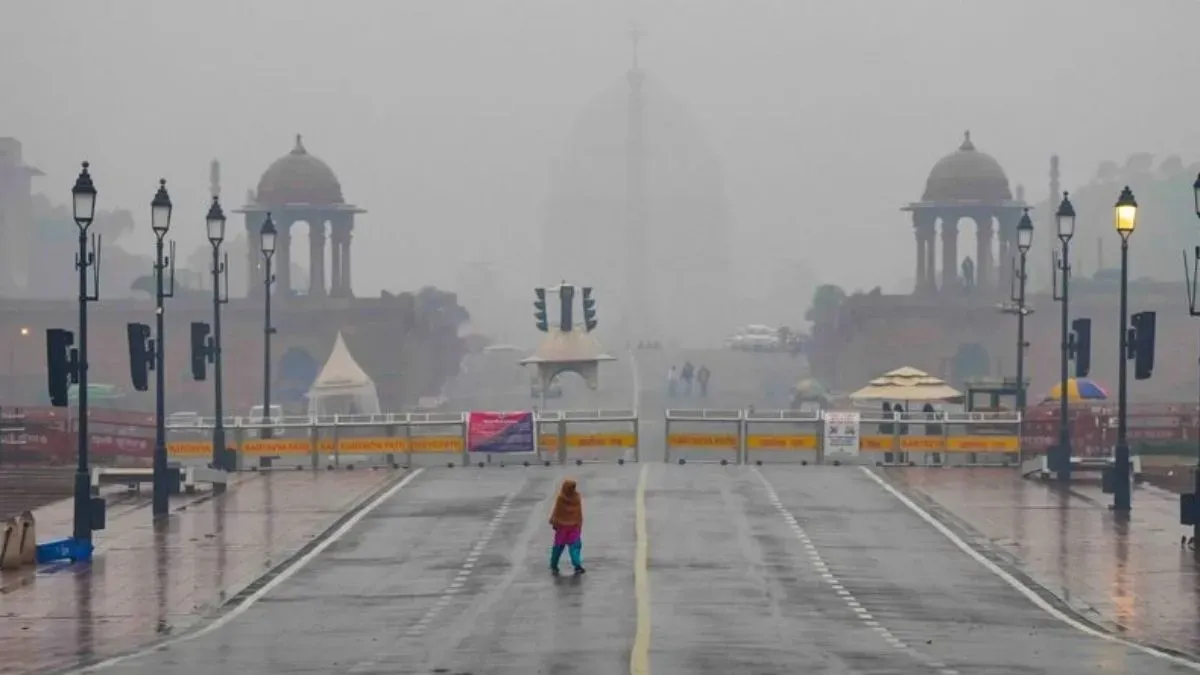
Cold conditions have returned to the national capital after rainfall lashed parts of Delhi-NCR on Friday, January 23, bringing a noticeable dip in temperatures and relief from pollution. The mercury slipped below 10°C, marking a sharp turnaround after a brief spell of warmer days earlier this week.
According to the India Meteorological Department (IMD), Delhi is likely to witness a further drop in temperatures over the next two days, with light rain predicted for today as well. The maximum temperature is expected to hover around 20°C, while the minimum may dip to 6°C, intensifying the winter chill.
Rain Brings Clear Skies and Better Air Quality
Friday’s rainfall significantly altered weather conditions across the region. Cool northerly winds swept through the capital, leading to clearer skies and a marked improvement in visibility. Air quality levels also improved, with several monitoring stations recording a drop in pollution indices due to the washout effect of rain.
Meteorologists noted that the rain activity was concentrated mainly in the morning and early afternoon, gradually subsiding by evening.
Delhi Records Wettest January Day in Two Years
Delhi witnessed its first rain of 2026, which also turned out to be the wettest January day in the last two years. IMD data shows that the highest January rainfall on record was logged on January 30, 2023, when the city received 20.4 mm of rain.
On Friday, rainfall between 8:30 am and 5:30 pm was widespread across Delhi-NCR:
- Ridge: 17.4 mm
- Palam: 14.0 mm
- Lodi Road: 13.4 mm
- Safdarjung: 13.2 mm
- Ayanagar: 11.5 mm
Most weather stations reported light to moderate rainfall between 8:30 am and 2:30 pm, after which precipitation weakened significantly.
Weather Update for Other North Indian Cities
- Lucknow (Uttar Pradesh): Light rain is likely in the morning, with a minimum temperature around 10°C.
- Patna (Bihar): Clear skies are expected, with the minimum temperature settling near 13°C.
- Jaipur (Rajasthan): The minimum temperature may drop to around 5°C, with partly cloudy conditions likely.
What to Expect Next
IMD officials have indicated that the temperature dip could lead to cold day conditions in isolated pockets of Delhi-NCR. Early morning shallow fog may also develop over the next few days, especially in low-lying areas. Residents have been advised to take precautions against cold weather, particularly during early morning and late-night hours.
While no severe cold wave warning has been issued yet, authorities are monitoring conditions closely as winter tightens its grip once again on north India.


🌧️ Temperature Set to Drop in Delhi; Rain Likely to Continue

Janhvi Kapoor Opens Up About Depression After Dhadak, Says She Couldn’t Celebrate Its Success

CSK Create Unique World Record Despite 43-Run Defeat to RCB in IPL 2026

Ex-Cricketer Shikhar Dhawan Buys Ultra-Luxury Apartment Worth ₹69 Crore in Gurugram

Delhi Police SI Neetu Bisht Caught Taking ₹20 Lakh Bribe – Shocking Details Emerge in Corruption Probe

Telegram Channels Disseminating Pro‑Russian Propaganda in Poland
-
 Celebrity Lifestyle11 months ago
Ex-Cricketer Shikhar Dhawan Buys Ultra-Luxury Apartment Worth ₹69 Crore in Gurugram
-
 Crime & Investigation8 months ago
Delhi Police SI Neetu Bisht Caught Taking ₹20 Lakh Bribe – Shocking Details Emerge in Corruption Probe
-
 Glamour & Entertainment10 months ago
Telegram Channels Disseminating Pro‑Russian Propaganda in Poland
-

 Bollywood8 months ago
No ₹3 Lakh Fine or 2-Year Jail: The Truth Behind the ‘Hakla’ GIF Buzz
-

 Entertainment10 months ago
Abhijeet & Dr Tarika Reunite in CID 2 — Fans Say ‘Clear the Misunderstanding Now
-

 Business10 months ago
Amazon sets 30‑day relocation deadline for corporate staff—opt out by resigning in 60 days
-

 Travel & Adventure10 months ago
Best Places to Hangout in Delhi (2025): Top 10 Picks for Fun & Chill
-

 Economy & Business10 months ago
📈 Indian Stock Market Soars in June 2025 Amid RBI Rate Cut and Foreign Investment Boost