
Politics
India, China Hold ‘In-Depth’ Talks on Western Border Management Amid Renewed Diplomatic Efforts


In a significant diplomatic development, India and China have once again held fresh talks aimed at improving control and management along the western section of their disputed border, signaling renewed efforts by both Asian giants to stabilize bilateral relations after years of heightened tension.
According to a statement released by the Chinese Defence Ministry, the two sides conducted “active and in-depth communication” on border management mechanisms, particularly focusing on reducing frictions and enhancing mutual trust between frontline military personnel.
An official response from India’s Ministry of External Affairs (MEA) is expected soon.
🏔️ Background: A Decade of Tension Along the Line of Actual Control (LAC)
The talks mark another step in the long process of managing tensions along the Line of Actual Control (LAC) — a de facto boundary stretching over 3,400 kilometers that divides Indian and Chinese-held territories.
Relations between the two nations hit a severe low following the Galwan Valley clash in June 2020, which resulted in the first combat fatalities on the border in over four decades. The incident led to deep diplomatic mistrust and a sharp military buildup on both sides of the LAC in Ladakh’s western sector.
Despite 20 rounds of Corps Commander-level talks and multiple Working Mechanism for Consultation and Coordination (WMCC) meetings, complete disengagement has not yet been achieved in several friction points, including Depsang Plains and Demchok.
However, in recent months, both countries have shown measured diplomatic flexibility aimed at preventing further escalation.
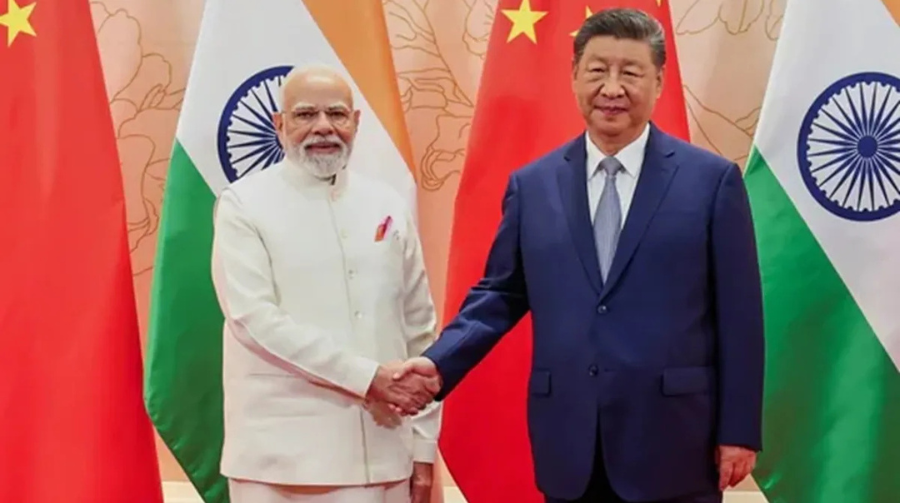
🤝 Latest Meeting: A Move Toward De-escalation
While specific details of the latest discussion remain undisclosed, officials familiar with the matter suggest that the focus was on improving border management and establishing new communication protocols between military commands.
Sources also indicated that the discussions might have included measures to prevent accidental face-offs, such as:
- Enhancing hotline communication between border outposts.
- Reviewing patrolling patterns in contested zones.
- Exploring the creation of buffer zones similar to those established in Pangong and Gogra areas earlier.
The timing of the meeting — just weeks after renewed bilateral air links and PM Modi’s SCO visit to China — underscores both governments’ intent to gradually normalise relations.
✈️ Signs of Thaw: Flights, Summits, and Symbolic Gestures
Earlier this week, IndiGo Airlines became the first Indian carrier to resume direct flights between India and China post-pandemic, operating the Kolkata–Guangzhou route. The Chinese Embassy in New Delhi hailed this move as a “major milestone in restoring people-to-people exchanges.”
The resumption of air connectivity follows incremental diplomatic engagements, including:
- High-level meetings at multilateral platforms such as the BRICS and SCO summits.
- Resumption of trade delegations in the pharmaceutical and tech sectors.
- Ongoing student and business visa relaxations between the two countries.
🏛️ PM Modi and President Xi Jinping’s Meeting at SCO Summit
During the SCO Summit 2025 in Tianjin, Prime Minister Narendra Modi and Chinese President Xi Jinping held a bilateral meeting for the first time in several years. The two leaders reaffirmed their countries’ commitment to maintaining peace along the border and strengthening economic cooperation.
President Xi described the two nations as the “dragon and elephant” that must “dance together for Asia’s stability and development.”
PM Modi, in turn, emphasized the importance of “mutual respect, mutual sensitivity, and mutual interests” as guiding principles for rebuilding trust.
Diplomatic analysts viewed the meeting as a symbolic reset, setting the stage for structured dialogue and possible de-escalation in border management.
🌏 Geopolitical Significance: A Pragmatic Shift
Experts believe these recent engagements reflect a pragmatic recalibration by both nations, driven by global economic headwinds, energy security challenges, and regional power balancing amid ongoing US–China rivalry.
🔍 Looking Ahead: Gradual Normalization or Strategic Pause?
While the latest talks mark a positive development, experts caution that deep mistrust remains.
Both sides continue to fortify border infrastructure and deploy advanced surveillance assets along the LAC, indicating that peace remains fragile.
However, analysts also note that regular dialogue, combined with confidence-building measures, could pave the way for a long-term border management framework, reducing the likelihood of future confrontations.
📅 Summary: Key Takeaways from the India–China Talks
| Category | Details |
|---|---|
| Meeting Focus | Border management and western sector control |
| Location | Likely via military channels in China’s western command region |
| Chinese Statement | “Active and in-depth communication held” |
| Indian Response | Awaited from MEA |
| Backdrop | Post-Galwan Valley tensions and gradual diplomatic thaw |
| Recent Development | Resumption of India–China flights (Kolkata–Guangzhou) |
| Leadership Meeting | Modi–Xi at SCO 2025 Summit, Tianjin |
| Outlook | Gradual normalization, continued dialogue |











News
PM Modi hails Mahayuti’s sweeping win in Maharashtra civic polls, calls it people’s mandate for NDA governance
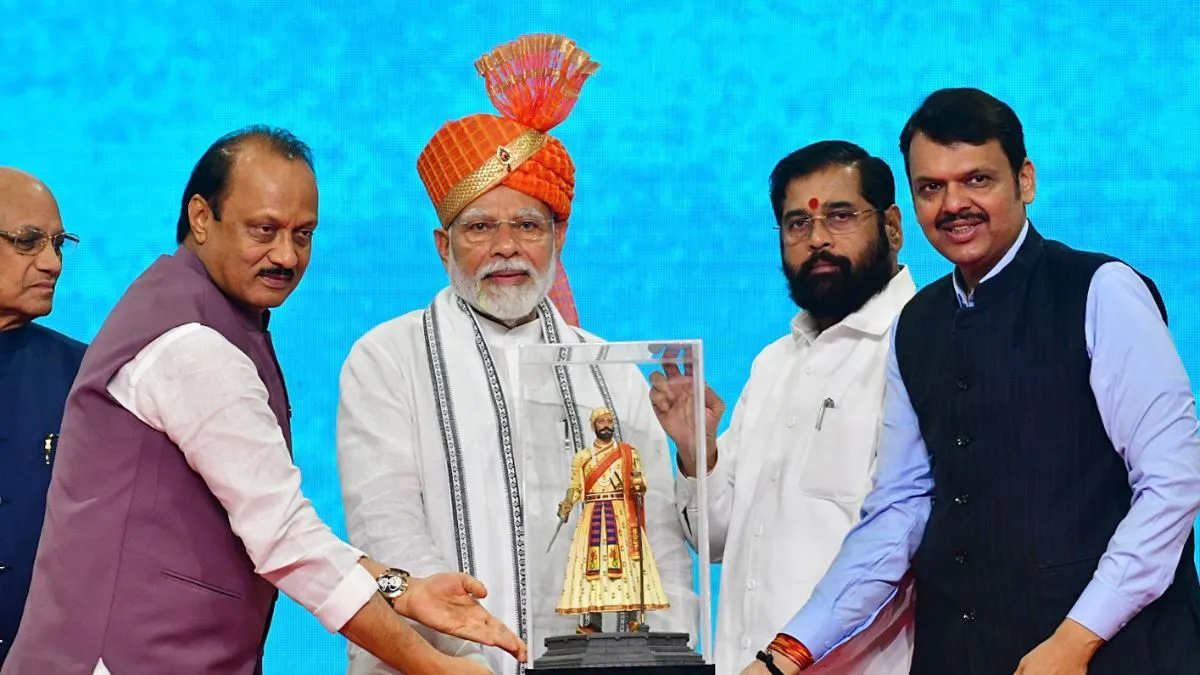
Prime Minister Narendra Modi on Friday welcomed the Mahayuti alliance’s decisive victory in the Maharashtra municipal corporation elections, describing it as a clear indication of the deepening bond between the people of the state and the National Democratic Alliance (NDA). The results, covering elections to 29 municipal corporations, have delivered a strong endorsement of the alliance’s governance model and development agenda.
Taking to social media platform X, PM Modi thanked the people of Maharashtra for backing what he termed the NDA’s “pro-people and good governance” agenda. He said the mandate reflected public trust in the alliance’s track record and its vision for the future.
“Thank you Maharashtra! The dynamic people of the state bless the NDA’s agenda of pro-people good governance. This is a vote to add momentum to progress and celebrate the glorious culture the state is associated with,” the prime minister wrote.
Praise for NDA workers and campaign strategy
In a separate post, PM Modi lauded the efforts of NDA karyakartas, crediting them for working tirelessly at the grassroots level and effectively communicating the alliance’s message to voters. He noted that party workers played a crucial role in highlighting development initiatives while countering what he described as misinformation spread by opposition parties.
“They talked about our alliance’s track record, highlighted our vision for the coming times and also effectively countered the lies of the Opposition. My best wishes to them,” he said.
Mahayuti’s dominant performance across civic bodies
The Mahayuti alliance registered a commanding performance in the civic polls, with the Bharatiya Janata Party (BJP) emerging as the single-largest party. The BJP won over 1,300 of the 2,869 seats contested across municipal corporations, reinforcing its organisational strength in urban Maharashtra.
Chief Minister Eknath Shinde-led Shiv Sena finished second within the alliance, securing 394 seats. The Congress surprised many observers by finishing third overall with victories in 315 seats, indicating pockets of resilience despite recent electoral setbacks.
Uddhav Thackeray-led Shiv Sena (UBT) won 149 seats, while the Nationalist Congress Party (NCP), which contested independently on several seats, secured 158 victories. Asaduddin Owaisi’s AIMIM also made notable gains with over 90 seats, while Sharad Pawar’s NCP (SP) won 36 seats. Raj Thackeray’s Maharashtra Navnirman Sena (MNS) managed to secure around 12 seats.
Political significance ahead of key elections
Although the final tally is yet to be officially declared by the Maharashtra State Election Commission, political analysts see the results as a significant morale booster for the Mahayuti government led by Devendra Fadnavis, with Eknath Shinde and Ajit Pawar as deputy chief ministers. The outcome is being viewed as an important indicator of voter sentiment ahead of future state and national-level contests.
The civic poll victory is also expected to strengthen the NDA’s narrative of political stability, development-focused governance, and organisational unity in Maharashtra’s complex political landscape.
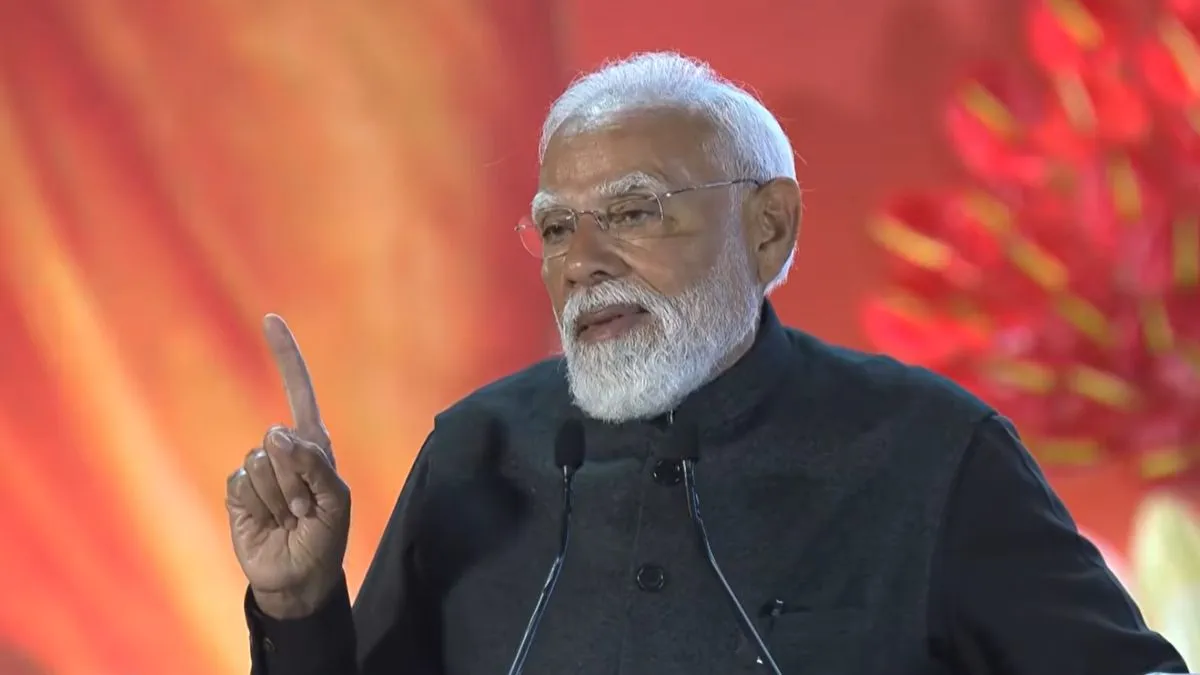
Prime Minister Narendra Modi on Monday praised India’s Gen Z for their creativity, confidence, and commitment to the nation, stating that the country’s youth are playing a decisive role in shaping India’s future. Addressing the concluding session of the Viksit Bharat Young Leaders Dialogue (VBYLD) in New Delhi, the Prime Minister said that the strength and capabilities of India’s youth will determine the country’s rise in the coming decades.
“The capability of India’s youth will become India’s capability. Your success will take the nation to new heights,” PM Modi said, urging young Indians to take bold decisions and not shy away from calculated risks.
Youth at the Core of Viksit Bharat 2047 Vision
The Prime Minister emphasised that the journey towards Viksit Bharat by 2047, when India marks 100 years of Independence, places a special responsibility on today’s young generation.
“You have taken the responsibility of achieving Viksit Bharat. The period leading up to 2047 is extremely important, and this is a golden opportunity for you,” he said.
Highlighting the government’s focus on youth empowerment, PM Modi said that the Centre has introduced a series of schemes with a clear and consistent focus on education, skill development, entrepreneurship, innovation, and employment. These initiatives, he noted, are aimed at creating opportunities and enabling young people to convert ideas into impact.
National Youth Day and Swami Vivekananda’s Legacy
The Prime Minister also recalled that January 12, observed as National Youth Day, marks the birth anniversary of Swami Vivekananda, whose ideals continue to inspire generations of Indians.
“Swami Vivekananda’s life and ideas are a guide for every youth. His vision is deeply connected to nation-building, which is why January 12 holds special significance,” PM Modi said, explaining the timing of the Viksit Bharat Young Leaders Dialogue.
Viksit Bharat Young Leaders Dialogue: A Platform for Youth Voices
The Viksit Bharat Young Leaders Dialogue is a national initiative designed to create a structured platform for dialogue between India’s youth and the country’s leadership. The 2026 edition of the programme was held from January 9 to January 12 and witnessed participation from nearly 50 lakh young people across the country.
PM Modi lauded the quality of discussions and ideas presented by the participants, particularly on key national themes such as:
- Women-led development
- Youth participation in democracy
- Innovation and governance
- Social inclusion and growth
“The way you presented your thoughts on serious topics shows how committed our Amrit generation is towards building a developed India,” he said. “It reflects the mindset of Gen Z in Bharat—creative, confident, and deeply invested in the nation’s future.”
Gen Z as Drivers of Change
Concluding his address, the Prime Minister congratulated the participants for the success of the dialogue and reiterated his belief that India’s Gen Z will be a driving force behind the country’s transformation.
“India’s Gen Z is full of creativity and courage. Yuva Shakti is at the forefront of nation-building,” he said.
News
Will Take Necessary Action, This Won’t Be Left Unattended: Civil Aviation Minister on IndiGo Fiasco
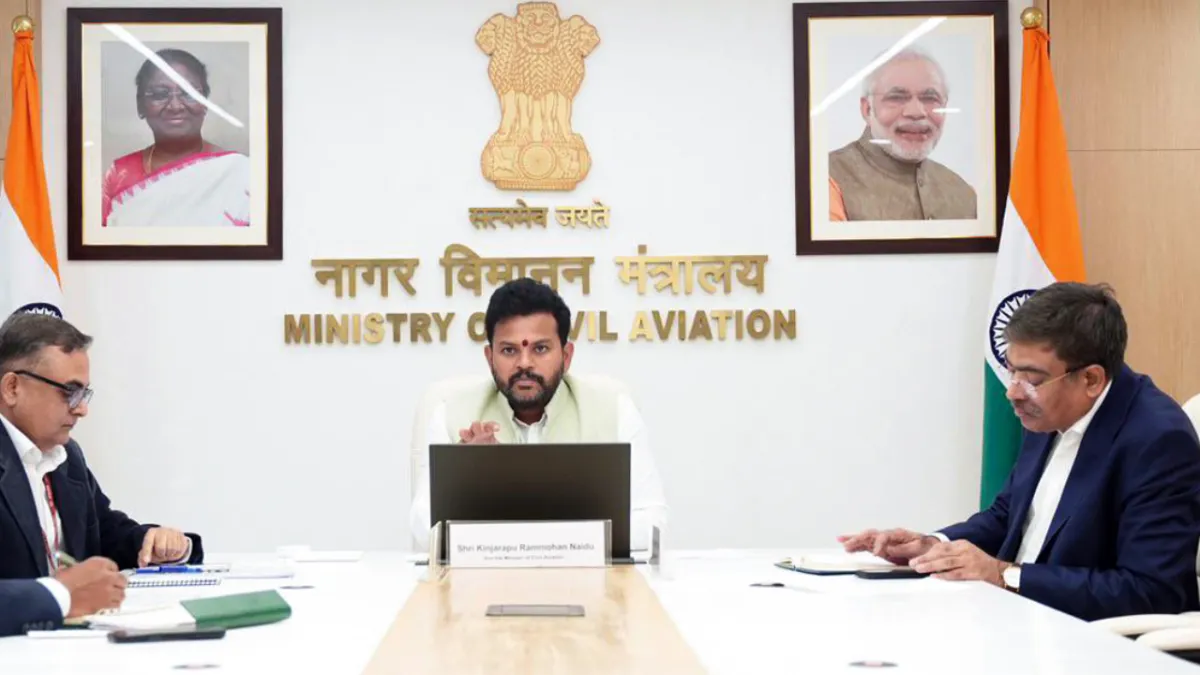
Union Civil Aviation Minister Ram Mohan Naidu Kinjarapu has assured strict action against IndiGo following the widespread flight delays and cancellations that have disrupted air travel across the country for nearly five days. The minister emphasised that the situation is gradually stabilising and expressed confidence that normal operations would resume shortly.
Speaking to ANI, Naidu said that the government’s top priority is restoring normalcy, clearing passenger backlogs, and ensuring that airlines comply with mandated operational norms.
Govt Says Situation Improving; Backlogs Being Cleared
The minister provided an update on the improving conditions at key airports:
“Today, we are seeing that the situation is getting better. The backlogs that have been there for the last two days have been cleared. From tomorrow, we are expecting normalcy—there won’t be any congestion or waiting at airports,” Naidu said.
He noted that IndiGo has been instructed to resume operations at maximum capacity, and the aviation ministry is closely monitoring compliance with Flight Duty Time Limit (FDTL) norms and overall network scheduling.
Centre Forms Inquiry Committee, Promises Action
Addressing public frustration over the chaos, Naidu confirmed that a high-level committee has been constituted to thoroughly investigate the disruption:
“We have formed a committee which will inquire into all this—what went wrong and who is responsible. We are going to take necessary action. This should not be left unattended. Strict action will be taken so that those responsible are held accountable.”
The probe will examine whether mismanagement, staff issues, operational lapses, or violations of safety and duty norms contributed to the crisis.
IndiGo’s Disruptions Continue for Fifth Consecutive Day
India’s largest airline has been struggling to stabilise operations:
- Over 1,000 flights were cancelled on Friday, after another 550 cancellations on Thursday.
- Delays and cancellations continued into Saturday across several major airports.
Despite Delhi airport reporting gradual stabilisation, multiple hubs continued to face disruptions:
Airport-wise Impact
Thiruvananthapuram Airport (Kerala):
- 3 domestic arrivals cancelled
- 3 domestic departures cancelled
Ahmedabad Airport (Gujarat):
- Between 12 am and 6 am on December 6:
- 7 arrivals cancelled
- 12 departures cancelled
Passengers across the country have reported long queues, rescheduled flights, inadequate communication, and missed connections—leading to growing criticism of the airline.
What Led to the IndiGo Crisis?
While the detailed causes will emerge after the committee’s evaluation, preliminary industry reports indicate:
- Large-scale crew unavailability
- Potential FDTL violations leading to grounded staff
- Scheduling mismatches
- High passenger load during peak travel season
- Possible operational inefficiencies
The Civil Aviation Ministry said it will ensure better monitoring, stronger crisis management protocols, and enhanced passenger support mechanisms going forward.
Government’s Message to Passengers
Minister Naidu reassured passengers that the government is actively intervening to ensure service restoration:
“We are deeply observing this. We will ensure all airlines follow due diligence. Passenger inconvenience will not be tolerated.”
The ministry is expected to issue a formal advisory soon, emphasizing accountability and stronger passenger-rights enforcement for airlines.


Why Traditional Indian Foods Are Making a Comeback for Gut Health

Gladiator II on OTT: Where to Stream the Epic Historical Drama Online

Michael Vaughan Calls South Africa national cricket team the ‘Stupidest Team’ After India national cricket team Wins ICC Men’s T20 World Cup 2026

Ex-Cricketer Shikhar Dhawan Buys Ultra-Luxury Apartment Worth ₹69 Crore in Gurugram

Delhi Police SI Neetu Bisht Caught Taking ₹20 Lakh Bribe – Shocking Details Emerge in Corruption Probe

Telegram Channels Disseminating Pro‑Russian Propaganda in Poland
-
 Celebrity Lifestyle10 months ago
Ex-Cricketer Shikhar Dhawan Buys Ultra-Luxury Apartment Worth ₹69 Crore in Gurugram
-
 Crime & Investigation8 months ago
Delhi Police SI Neetu Bisht Caught Taking ₹20 Lakh Bribe – Shocking Details Emerge in Corruption Probe
-
 Glamour & Entertainment9 months ago
Telegram Channels Disseminating Pro‑Russian Propaganda in Poland
-

 Bollywood7 months ago
No ₹3 Lakh Fine or 2-Year Jail: The Truth Behind the ‘Hakla’ GIF Buzz
-

 Entertainment9 months ago
Abhijeet & Dr Tarika Reunite in CID 2 — Fans Say ‘Clear the Misunderstanding Now
-

 Business9 months ago
Amazon sets 30‑day relocation deadline for corporate staff—opt out by resigning in 60 days
-
 Travel & Adventure9 months ago
Best Places to Hangout in Delhi (2025): Top 10 Picks for Fun & Chill
-

 Economy & Business9 months ago
📈 Indian Stock Market Soars in June 2025 Amid RBI Rate Cut and Foreign Investment Boost