
News
Two India‑bound Dreamliners, Two Mid‑Air Scares Within Hours: Both Turn Back


Introduction – Fast Recap
Just days after the tragic crash of Air India Flight AI171 in Ahmedabad, two more Boeing 787‑8 Dreamliners bound for India experienced mid-air technical issues and completed in-flight turnbacks—heightening aviation safety concerns.

Hong Kong → Delhi: Air India Flight AI315
Incident Overview
On June 16, 2025, Air India flight AI315 departed Hong Kong for Delhi. Approximately 90 minutes into the flight, pilots identified a possible technical issue and requested to remain near Hong Kong before safely returning
Flight data & crew response
Flight data indicate the aircraft ascended to ~22,000 ft before initiating descent back to Hong Kong. Pilots communicated: “We don’t want to continue further” The Dreamliner landed without incident and is undergoing inspections

London → Chennai: British Airways Flight BA35
A British Airways Boeing 787‑8 en route from London Heathrow to Chennai also returned mid-flight on June 15. The flight reportedly dumped fuel, circled over Dover, and landed safely at Heathrow due to a “technical issue”—described by the airline as a standard precaution

Broader Context and Timing
Ahmedabad crash aftermath
Only days earlier, on June 12, Air India Flight AI171, another 787‑8, tragically crashed after takeoff from Ahmedabad, killing 279 people (241 aboard, 38 on the ground). That crash has spurred urgent regulatory checks across 787 fleets
Safety scrutiny escalated
Following the Ahmedabad disaster, India’s DGCA mandated enhanced inspections for Boeing 787‑8/9 aircraft—covering fuel systems, flaps, compressors, engine controls, and takeoff thrust parameters

What It Means for Air Travel
- Passenger confidence shaken – Repeated in-flight turnbacks involving the same aircraft model raise red flags and could dent trust.
- Operator vigilance – Air India and BA protocols reflect strong safety-first decisions.
- Boeing’s safety review – Recent Dreamliner setbacks, including this crash and prior battery/flap issues, put Boeing’s quality controls under renewed scrutiny

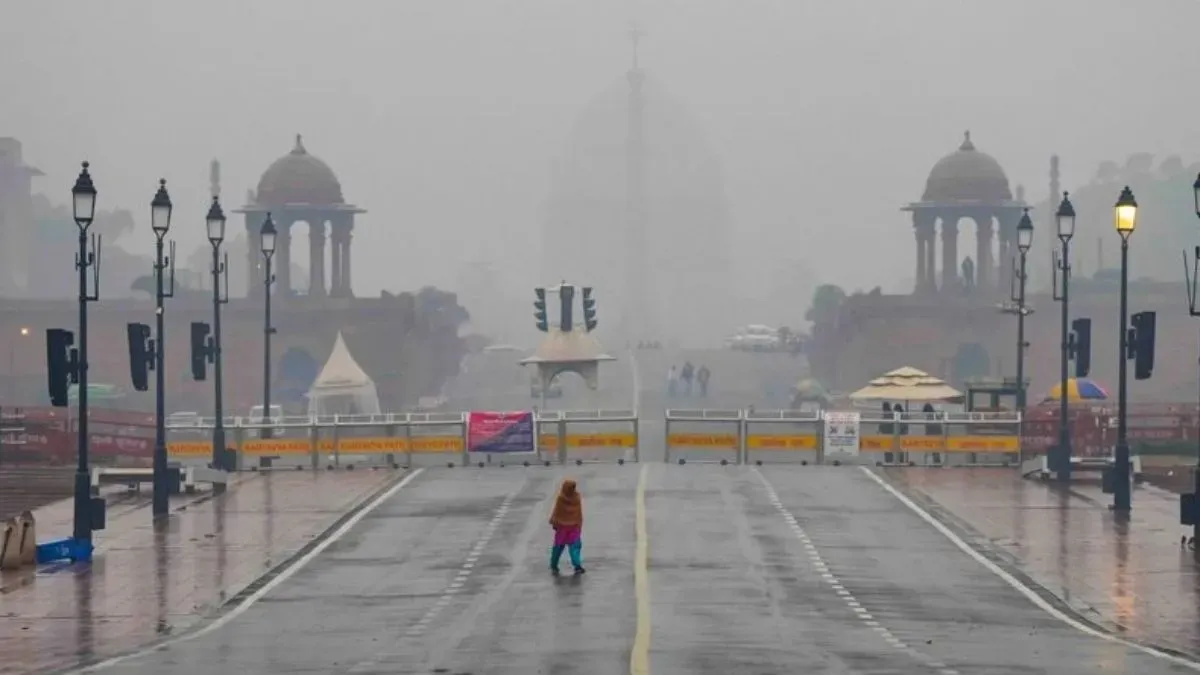
Cold conditions have made a strong comeback in Delhi after fresh rainfall swept across parts of the Delhi-NCR region on January 23. The sudden change in weather brought a sharp dip in temperatures, along with much-needed relief from rising pollution levels.
🌡️ Noticeable Drop in Temperature
According to the India Meteorological Department (IMD), the mercury fell below 10°C following the rain. This marks a significant shift from the relatively warmer conditions experienced earlier in the week.
- Maximum temperature: Around 20°C
- Minimum temperature: Likely to dip to 6°C
- Trend: Further decline expected over the next 48 hours
The combination of rainfall and cool northerly winds is expected to intensify the winter chill across the capital.
🌧️ Rainfall Improves Air Quality
The rainfall played a crucial role in improving Delhi’s air quality. Pollutants were washed out of the atmosphere, resulting in:
- Better visibility
- Cleaner air across multiple monitoring stations
- Reduced smog levels
Clear skies and brisk winds followed the rain, offering a refreshing change for residents.
📊 Wettest January Day in Two Years
This rainfall event also turned out to be one of the most significant in recent times. It marked Delhi’s wettest January day in two years.
Rainfall recorded between 8:30 AM and 5:30 PM:
- Ridge: 17.4 mm
- Palam: 14.0 mm
- Lodi Road: 13.4 mm
- Safdarjung: 13.2 mm
- Ayanagar: 11.5 mm
For comparison, the highest January rainfall in recent years was recorded on January 30, 2023, with 20.4 mm.
🌫️ Fog and Cold Conditions Ahead
Meteorologists predict that the falling temperatures may lead to:
- Cold day conditions in isolated areas
- Shallow morning fog, especially in low-lying regions
- Increased discomfort during early mornings and late nights
While no severe cold wave warning has been issued yet, weather conditions are being closely monitored.
🌆 Weather in Other North Indian Cities
Weather patterns across northern India show similar winter trends:
- Lucknow: Light morning rain, minimum around 10°C
- Patna: Clear skies, minimum near 13°C
- Jaipur: Partly cloudy, minimum around 5°C
🔍 What Residents Should Expect
- Colder days over the next two days
- Possible intermittent light rain
- Improved air quality but chilly conditions
- Foggy mornings affecting visibility
Residents are advised to wear warm clothing and take precautions, particularly during early morning and nighttime hours.

Amid rising tensions in the Middle East, Iran has reportedly allowed Indian ships to safely pass through the strategic Strait of Hormuz. In a significant development, an Indian vessel carrying 40,000 metric tonnes of liquefied petroleum gas (LPG) has successfully crossed the crucial maritime route and is expected to reach the Indian coast within a week.
The vessel, named Shivalik, departed from Bandar Abbas port in Iran and crossed the Strait of Hormuz a few hours ago, according to sources. It is currently being escorted by the Indian Navy as it travels toward India.
Diplomatic Talks Between India and Iran
The safe passage comes after several rounds of diplomatic engagement between India and Iran amid escalating regional tensions.
The latest discussion reportedly took place between Narendra Modi, Prime Minister of India, and Masoud Pezeshkian, the President of Iran. Their conversation focused on maintaining stability in energy supply routes and ensuring safe maritime navigation for Indian ships.
Sources said another Indian vessel is also expected to cross the Strait soon and dock at an Indian port in the coming days.
Impact of Middle East Conflict on Shipping Routes
Tensions in the region intensified following air strikes conducted on February 28 by the United States and Israel against targets in Iran. The conflict raised fears that Iran might block the Strait of Hormuz, one of the world’s most critical oil shipping routes.
The Strait of Hormuz connects the Persian Gulf with the Gulf of Oman and is responsible for the transit of a significant portion of global oil and gas shipments. Any disruption in this narrow waterway can severely affect global energy markets.
Reports of restricted access to the strait have already pushed global crude oil prices upward, reflecting concerns about supply disruptions.
Iran Reassures India on Safe Navigation
Earlier in the day, Iran’s Ambassador to India, Mohammad Fathali, reassured that Indian vessels would be allowed to pass through safely.
He stated that India and Iran share strong bilateral relations and common regional interests, adding that the situation would become clear within hours as ships continued to pass through the strait.
Meanwhile, Abdul Majid Hakeem Ilahi, the representative of Iran’s Supreme Leader in India, clarified that Iran has not officially closed the Strait of Hormuz despite the ongoing conflict.
He acknowledged that navigation has become more difficult due to regional tensions but confirmed that several ships are still using the route.
Why the Strait of Hormuz Matters
The Strait of Hormuz is widely considered one of the most important maritime chokepoints in the world. Nearly one-fifth of the global oil supply passes through this narrow passage every day.
For India, the route is crucial because the country imports a large portion of its crude oil and LPG from West Asian nations.
Ensuring uninterrupted access to this sea lane is essential for:
- Maintaining India’s energy security
- Stabilizing domestic fuel prices
- Preventing disruptions in global energy supply chains
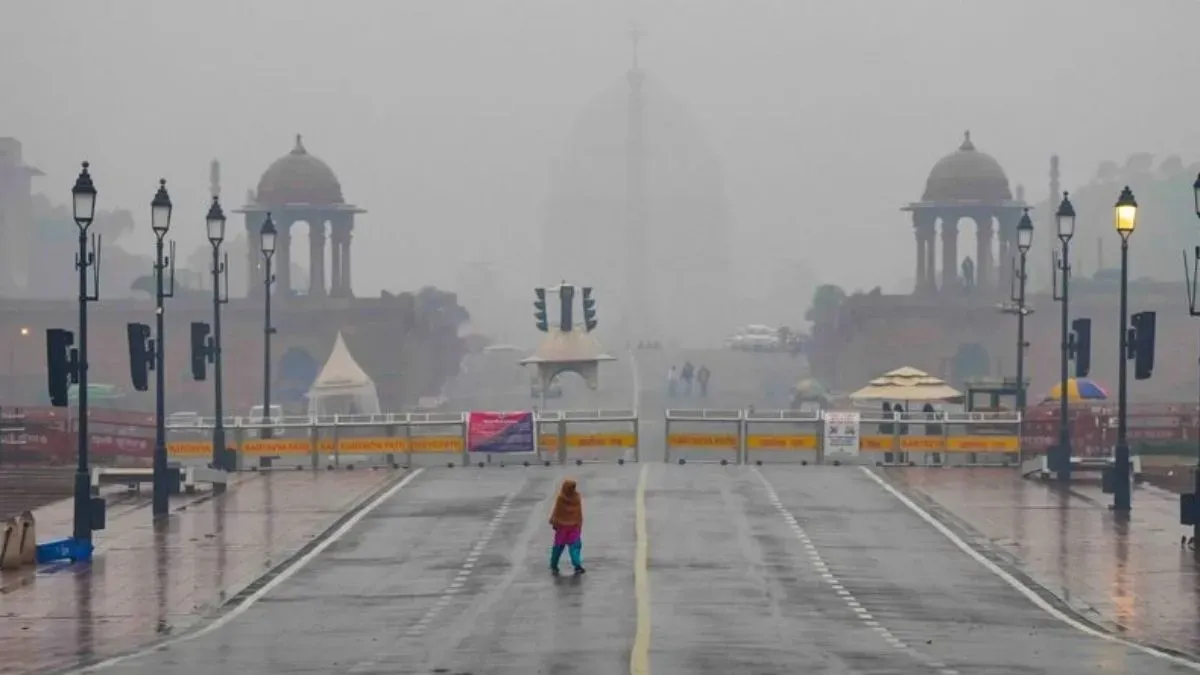
Cold conditions have returned to the national capital after rainfall lashed parts of Delhi-NCR on Friday, January 23, bringing a noticeable dip in temperatures and relief from pollution. The mercury slipped below 10°C, marking a sharp turnaround after a brief spell of warmer days earlier this week.
According to the India Meteorological Department (IMD), Delhi is likely to witness a further drop in temperatures over the next two days, with light rain predicted for today as well. The maximum temperature is expected to hover around 20°C, while the minimum may dip to 6°C, intensifying the winter chill.
Rain Brings Clear Skies and Better Air Quality
Friday’s rainfall significantly altered weather conditions across the region. Cool northerly winds swept through the capital, leading to clearer skies and a marked improvement in visibility. Air quality levels also improved, with several monitoring stations recording a drop in pollution indices due to the washout effect of rain.
Meteorologists noted that the rain activity was concentrated mainly in the morning and early afternoon, gradually subsiding by evening.
Delhi Records Wettest January Day in Two Years
Delhi witnessed its first rain of 2026, which also turned out to be the wettest January day in the last two years. IMD data shows that the highest January rainfall on record was logged on January 30, 2023, when the city received 20.4 mm of rain.
On Friday, rainfall between 8:30 am and 5:30 pm was widespread across Delhi-NCR:
- Ridge: 17.4 mm
- Palam: 14.0 mm
- Lodi Road: 13.4 mm
- Safdarjung: 13.2 mm
- Ayanagar: 11.5 mm
Most weather stations reported light to moderate rainfall between 8:30 am and 2:30 pm, after which precipitation weakened significantly.
Weather Update for Other North Indian Cities
- Lucknow (Uttar Pradesh): Light rain is likely in the morning, with a minimum temperature around 10°C.
- Patna (Bihar): Clear skies are expected, with the minimum temperature settling near 13°C.
- Jaipur (Rajasthan): The minimum temperature may drop to around 5°C, with partly cloudy conditions likely.
What to Expect Next
IMD officials have indicated that the temperature dip could lead to cold day conditions in isolated pockets of Delhi-NCR. Early morning shallow fog may also develop over the next few days, especially in low-lying areas. Residents have been advised to take precautions against cold weather, particularly during early morning and late-night hours.
While no severe cold wave warning has been issued yet, authorities are monitoring conditions closely as winter tightens its grip once again on north India.


🌧️ Temperature Set to Drop in Delhi; Rain Likely to Continue

Janhvi Kapoor Opens Up About Depression After Dhadak, Says She Couldn’t Celebrate Its Success

CSK Create Unique World Record Despite 43-Run Defeat to RCB in IPL 2026

Ex-Cricketer Shikhar Dhawan Buys Ultra-Luxury Apartment Worth ₹69 Crore in Gurugram

Delhi Police SI Neetu Bisht Caught Taking ₹20 Lakh Bribe – Shocking Details Emerge in Corruption Probe

Telegram Channels Disseminating Pro‑Russian Propaganda in Poland
-
 Celebrity Lifestyle11 months ago
Ex-Cricketer Shikhar Dhawan Buys Ultra-Luxury Apartment Worth ₹69 Crore in Gurugram
-
 Crime & Investigation8 months ago
Delhi Police SI Neetu Bisht Caught Taking ₹20 Lakh Bribe – Shocking Details Emerge in Corruption Probe
-
 Glamour & Entertainment10 months ago
Telegram Channels Disseminating Pro‑Russian Propaganda in Poland
-

 Bollywood8 months ago
No ₹3 Lakh Fine or 2-Year Jail: The Truth Behind the ‘Hakla’ GIF Buzz
-

 Entertainment10 months ago
Abhijeet & Dr Tarika Reunite in CID 2 — Fans Say ‘Clear the Misunderstanding Now
-

 Business10 months ago
Amazon sets 30‑day relocation deadline for corporate staff—opt out by resigning in 60 days
-

 Travel & Adventure10 months ago
Best Places to Hangout in Delhi (2025): Top 10 Picks for Fun & Chill
-

 Economy & Business10 months ago
📈 Indian Stock Market Soars in June 2025 Amid RBI Rate Cut and Foreign Investment Boost