
News
Garo Hills Council Poll Tensions Explained: Causes, Violence, and Local Demands

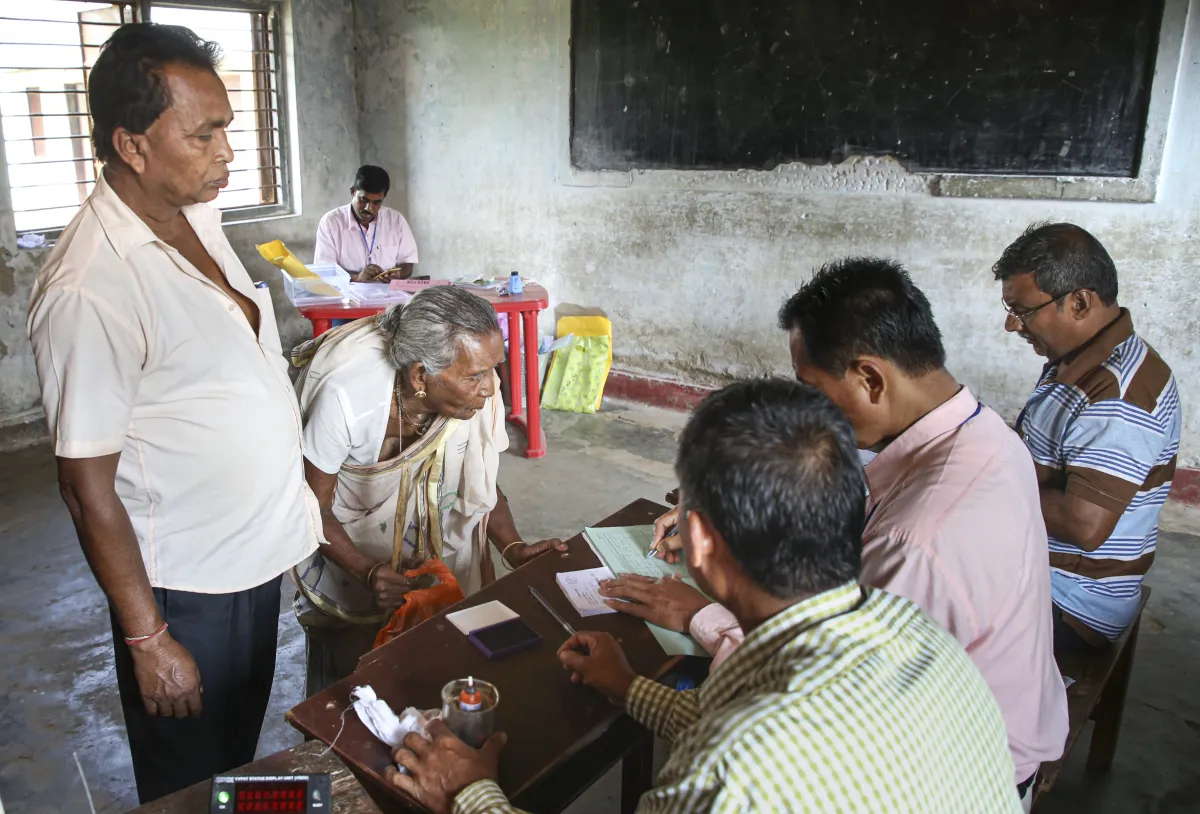
Tensions in the Garo Hills region of Meghalaya escalated sharply in early 2026 over the upcoming elections to the Garo Hills Autonomous District Council, leading to violence, curfews, and eventually the postponement of polls.
📌 What Triggered the Unrest?
The immediate trigger was a controversial notification issued by the GHADC’s Executive Committee. It proposed making Scheduled Tribe (ST) certificates mandatory for candidates contesting the council elections.
- This move aimed to bar non-tribal candidates from participating.
- However, for decades, non-tribals had been allowed to contest these elections.
The situation escalated after the Meghalaya High Court struck down this notification, stating that:
- The Executive Committee did not have the authority to enforce such a rule independently.
- Proper legislative procedure—approval by the council and the Governor—was not followed.
This decision angered sections of the Garo community who supported restricting participation to tribal candidates.
⚠️ Violence and Law-and-Order Breakdown
Following the court’s ruling:
- Clashes broke out between tribal and non-tribal groups, particularly in Chibinang, West Garo Hills.
- Two people were killed in police firing during violent protests.
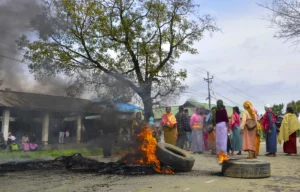
- Incidents of arson, assaults, and mob gatherings were reported across towns like Tura.
Authorities responded with strict measures:
- Curfew was imposed in multiple districts.
- Mobile internet services were suspended across five districts in Garo Hills.
- Security forces were deployed to control unrest.
🗳️ Election Postponement
In response to the deteriorating situation, Chief Minister Conrad K Sangma announced the postponement of the April 10 GHADC elections, citing:
- Safety concerns
- Public inconvenience
- Ongoing tensions
🧭 What Are Locals Demanding?
Several local groups, including student unions and civil society organizations, have put forward key demands:
1. Restrict Elections to Scheduled Tribes
- Only ST candidates should be allowed to contest GHADC elections.
- Some groups also want only ST voters to participate.
2. Protect Indigenous Identity
- Concerns that non-tribal participation could dilute Garo culture, traditions, and political autonomy.
3. Safeguard Land Rights
- Fear that increased non-tribal influence could impact customary land ownership systems, which are central to tribal identity.
4. Strengthen GHADC Powers
- Calls to empower the council to better protect tribal interests and enforce local laws.
🧩 Broader Context
The GHADC is part of India’s Sixth Schedule framework, which grants autonomy to tribal regions in the Northeast. These councils are meant to:
- Preserve indigenous customs
- Manage land and resources
- Provide local governance
The current conflict highlights a deeper tension between:
- Legal/constitutional procedures, and
- Ethnic identity and indigenous rights
🧠 Key Takeaway
The unrest in Garo Hills is not just about an election rule—it reflects a larger struggle over identity, autonomy, and political control in tribal regions. Balancing constitutional law with local aspirations remains the core challenge.



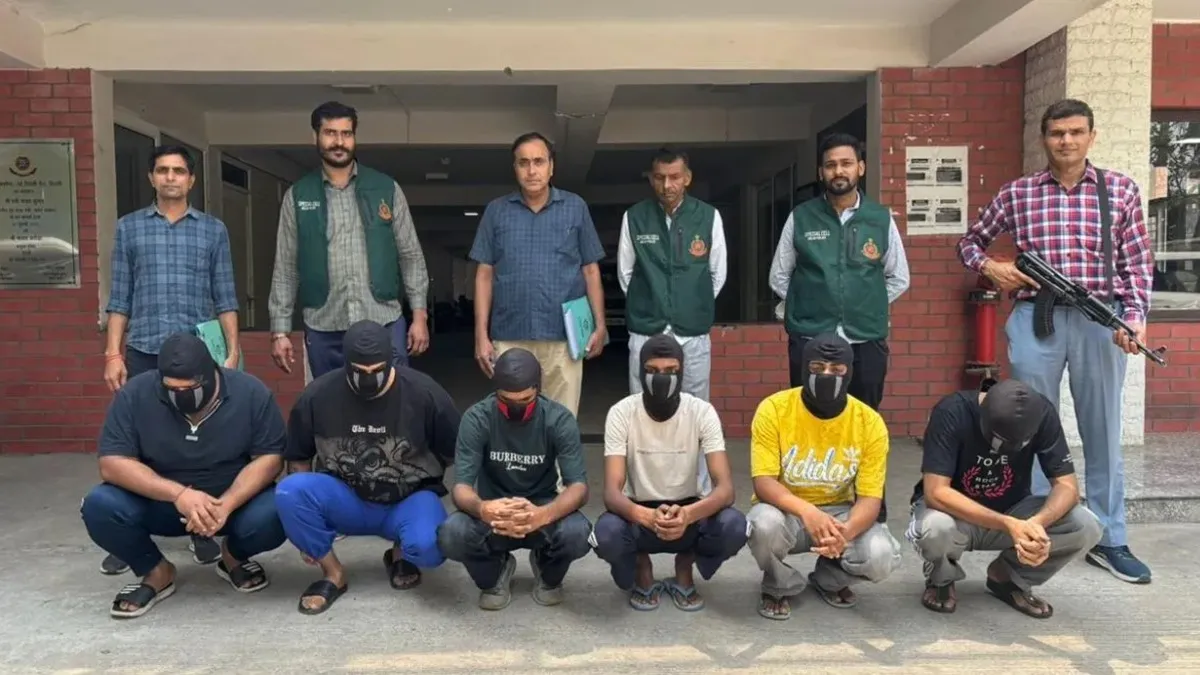
A major terror conspiracy involving cross-border handlers was foiled after the Delhi Police Special Cell arrested 11 suspects linked to Pakistan’s intelligence agency Inter-Services Intelligence and the Khalistani outfit Babbar Khalsa International (BKI).
The coordinated crackdown across Delhi and Punjab exposed a sophisticated terror module involved in espionage, arms smuggling, and planned grenade attacks targeting sensitive installations.
📌 Key Highlights of the Operation
- 11 suspects arrested in two separate operations
- 4 pistols and 24 live cartridges recovered
- 9 solar-powered CCTV cameras seized from sensitive locations
- Live surveillance feeds were being sent directly to Pakistan
- Module allegedly planned grenade attacks on security establishments
🧨 How the Terror Plot Worked
Investigations revealed a multi-layered operation orchestrated by Pakistan-based handlers:
1. Spy Network via CCTV Cameras
- Accused installed solar-powered CCTV cameras near sensitive locations like Army and BSF areas.
- They posed as government workers to avoid suspicion.
- Cameras were fitted with SIM cards and transmitted real-time video feeds to Pakistan.
These cameras were recovered from multiple locations, including:
- Kapurthala, Jalandhar, Pathankot, Patiala, Moga (Punjab)
- Ambala (Haryana)
- Kathua and areas near Jammu and Kashmir
- Alwar (Rajasthan)
2. Arms Smuggling Network
- Weapons were smuggled into India under instructions from handlers.
- Seized items include:
- 3 PX5 pistols
- 1 country-made pistol
- 24 live cartridges
- The mastermind allegedly received 7 foreign-made pistols and 56 cartridges in an earlier consignment.
3. Planned Terror Attacks
- Intelligence inputs indicate plans to carry out grenade attacks in high-security zones.
- Surveillance footage was meant to help identify security patterns and troop movements.
🧑💻 Recruitment and Radicalisation
The investigation revealed a disturbing trend:
- Young men, often from economically weaker backgrounds, were:
- Radicalised online
- Recruited through encrypted messaging apps
- Lured with money via UPI payments
- Many recruits had basic education, while some were surprisingly well-qualified (including MBA graduates).
👥 Key Accused and Roles
- Manpreet Singh (Mastermind): Coordinated with Pakistan-based handlers; managed weapons and SIM cards
- Anmol & Sahil: Installed CCTV cameras in sensitive areas
- Atul Rathi & Rohit: Involved in arms smuggling operations
- Others: Shared photos/videos of Army and BSF installations
Several accused were also involved in:
- Fake SIM procurement using forged documents
- Reconnaissance using motorcycles
- Sharing sensitive visuals of defence zones
🛰️ Intelligence Breakthrough
The operation was launched following:
- Inputs from Military Intelligence
- Leads from a previously busted module in Ghaziabad
Authorities discovered a pattern of espionage using CCTV infrastructure, marking a new tactic in cross-border intelligence gathering.
🚨 Security Concerns and Ongoing Investigation
- The module highlights evolving threats involving technology-driven espionage
- Authorities have removed most of the installed cameras
- Further investigations are ongoing to:
- Identify additional operatives
- Trace funding channels
- Neutralise remaining threats
🧠 Bigger Picture
This case underscores a shift in terror strategies, combining:
- Traditional arms smuggling
- Digital surveillance
- Local recruitment networks
It also reflects continued attempts by cross-border groups to destabilise internal security in India through hybrid tactics.
✅ Key Takeaway
The foiling of this plot prevented a potentially serious security breach. However, it also highlights how modern terror modules are blending technology, local networks, and cross-border coordination, making detection more complex.
News
Assembly Elections 2026: Polling concludes in Assam, Kerala and Puducherry; strong voter turnout recorded
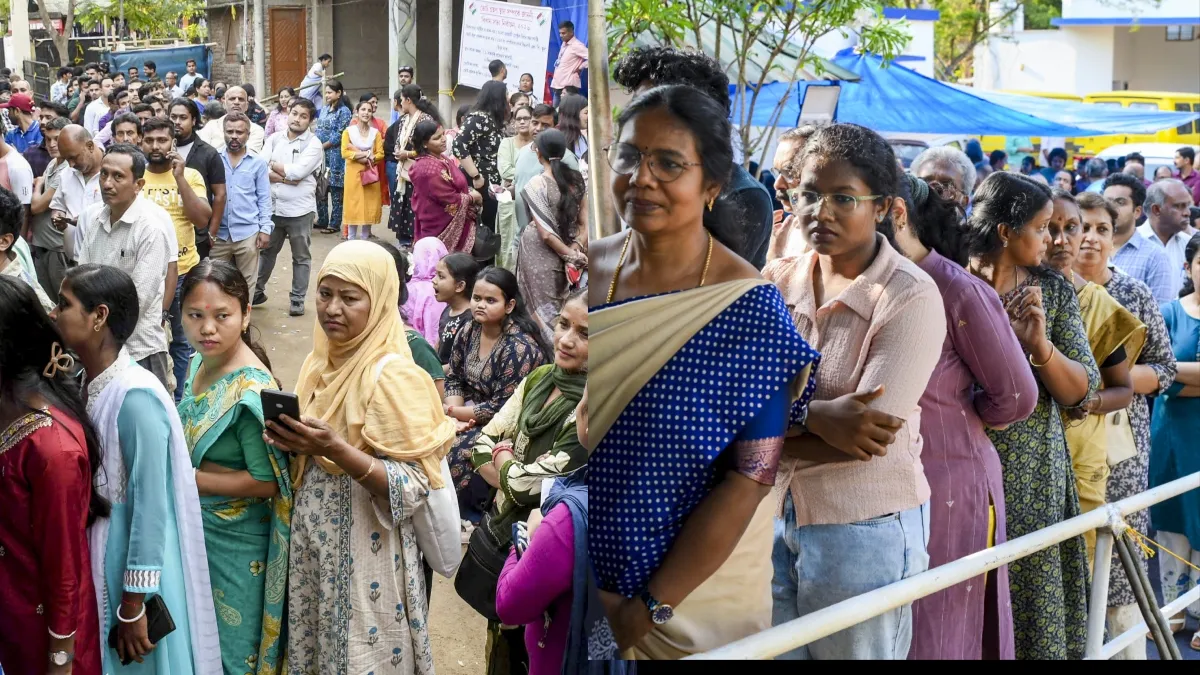
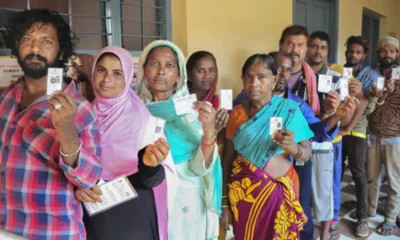
Polling for the 2026 Assembly elections in Assam, Kerala, and Puducherry concluded on Thursday, witnessing high voter participation across all three regions. Voting began early in the morning and was conducted under tight security arrangements supervised by the Election Commission of India to ensure smooth and fair polling.
Voters turned out in large numbers to decide the fate of hundreds of candidates, reflecting strong public engagement in these crucial elections.
🧑💼 Key leaders cast their votes
Prominent political leaders were among the early voters:
- Himanta Biswa Sarma
- Pinarayi Vijayan
- N. Rangaswamy
Notably, Rangaswamy continued his tradition of riding a motorcycle to the polling booth, drawing public attention.
📊 Seats and electoral stakes
- Assam: 126 Assembly seats
- Kerala: 140 Assembly seats
- Puducherry: 30 Assembly seats
The elections saw intense contests between major alliances, with regional dynamics playing a key role in each state.
📈 Voter turnout highlights
Assam: Over 84% turnout
Assam recorded an impressive around 84.8% voter turnout, higher than the 82.04% in 2021.
- Highest turnout: Dalgaon (95.83%)
- Lowest turnout: Amri (74.41%)
- Total candidates: 722
- Polling stations: 31,490 across 35 districts
The main contest is between the BJP-led NDA and the Congress-led opposition alliance. The ruling alliance is aiming for a third consecutive term.
Kerala: Around 78% turnout
Kerala registered approximately 78.25% voter turnout, slightly higher than the 74.06% in 2021.
The key battle is among:
- LDF (Left Democratic Front) – seeking a rare third straight term
- UDF (United Democratic Front) – aiming for a comeback
- BJP – attempting to expand its presence
The election is widely seen as a referendum on the governance of CM Pinarayi Vijayan.
Puducherry: Nearly 90% turnout
Puducherry witnessed a very high turnout of around 89–90%, indicating strong voter enthusiasm.
The contest is primarily between:
- NDA (led by AINRC and BJP) – trying to retain power
- Congress-led alliance – focusing on governance and autonomy issues
🔍 What’s next?
- Counting of votes: Scheduled for May 4, 2026
- Results will determine:
- Whether incumbents retain power
- Or opposition alliances stage comebacks
🧠 Key takeaways
- All three regions recorded higher turnout than previous elections
- Strong participation suggests high political awareness and competitive races
- Outcomes could significantly influence regional and national political dynamics
News
Army clears Lt Col Prasad Shrikant Purohit for promotion after acquittal in Malegaon blast case
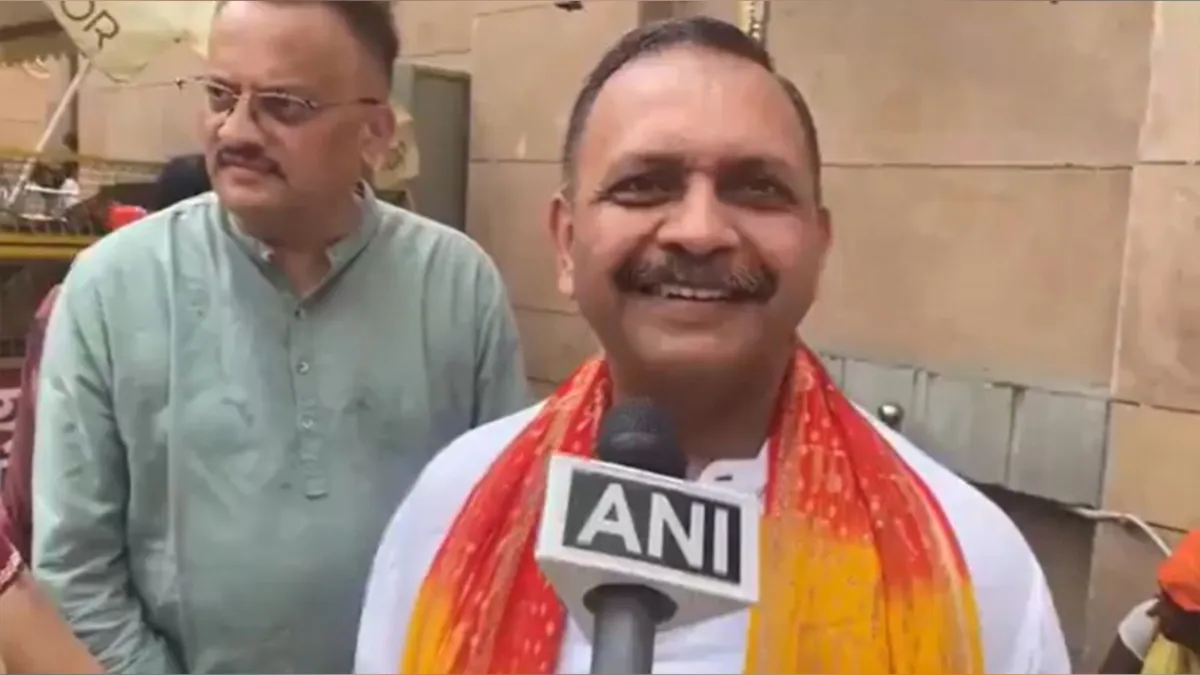
The Indian Army has reportedly cleared Lieutenant Colonel Prasad Shrikant Purohit for promotion to the rank of Brigadier, marking a significant development in a case that has spanned nearly two decades.
This decision follows an intervention by the Armed Forces Tribunal (AFT), which had earlier stayed his retirement, originally scheduled for March 31, 2026. The tribunal directed authorities to hold off on retirement until his pending statutory complaint—seeking promotion and service benefits—was resolved.
Background: Impact of long trial on career
Lt Col Purohit had approached the tribunal arguing that his career progression was severely affected due to the prolonged legal proceedings in the 2008 Malegaon blast case. He maintained that:
- The extended trial denied him fair promotion opportunities
- His service record was overshadowed by pending allegations
- He deserved reconsideration after acquittal
Acquittal in Malegaon blast case
In July 2025, a special court of the National Investigation Agency (NIA) acquitted Purohit and six others, stating that:
- The prosecution failed to prove charges beyond reasonable doubt
- Evidence presented during the trial was insufficient
Among those acquitted were:
- Pragya Singh Thakur (former MP)
- Ramesh Upadhyay
- Sudhakar Chaturvedi
- Ajay Rahirkar
- Sudhankar Dhar Dwivedi
- Sameer Kulkarni
Originally, 11 individuals were accused, but charges were ultimately framed against 7, all of whom were acquitted.
The 2008 Malegaon blast
The incident occurred on September 29, 2008, in Malegaon, when:
- A bomb strapped to a motorcycle exploded near a mosque in Bhikku Chowk
- 6 people were killed
- Around 95 others were injured
The case was initially investigated by the Maharashtra Anti-Terrorism Squad before being transferred to the NIA in 2011.
Investigation and legal journey
- The investigation spanned nearly 17 years
- Hundreds of witnesses were examined
- Charges were filed under laws including:
- Unlawful Activities (Prevention) Act (UAPA)
- Arms Act
Ultimately, the court acquitted all accused, citing lack of conclusive evidence.
What the promotion means
The Army’s decision to clear Purohit for promotion suggests:
- Recognition of his acquittal and reinstated standing
- Consideration of career setbacks caused by prolonged litigation
- Possible restoration of seniority and service benefits (subject to final approvals)
Key takeaway
This case highlights the long-term impact of delayed judicial processes on careers, especially in sensitive roles like the military. The tribunal’s intervention and the Army’s decision may set a precedent for how similar cases are handled in the future.


Netflix Launches ‘Playground’ App for Kids: Ad-Free, Offline Gaming Experience Explained

Is Your 5G Plan Really ‘Unlimited’? The Hidden Truth Behind Data Limits in India

Anant Ambani’s Birthday Bash: Ranveer Singh, Gauri Khan, Janhvi Kapoor Join Bhajan & Garba Celebrations

Ex-Cricketer Shikhar Dhawan Buys Ultra-Luxury Apartment Worth ₹69 Crore in Gurugram

Delhi Police SI Neetu Bisht Caught Taking ₹20 Lakh Bribe – Shocking Details Emerge in Corruption Probe

Telegram Channels Disseminating Pro‑Russian Propaganda in Poland
-
 Celebrity Lifestyle11 months ago
Ex-Cricketer Shikhar Dhawan Buys Ultra-Luxury Apartment Worth ₹69 Crore in Gurugram
-
 Crime & Investigation9 months ago
Delhi Police SI Neetu Bisht Caught Taking ₹20 Lakh Bribe – Shocking Details Emerge in Corruption Probe
-
 Glamour & Entertainment10 months ago
Telegram Channels Disseminating Pro‑Russian Propaganda in Poland
-

 Bollywood8 months ago
No ₹3 Lakh Fine or 2-Year Jail: The Truth Behind the ‘Hakla’ GIF Buzz
-

 Entertainment10 months ago
Abhijeet & Dr Tarika Reunite in CID 2 — Fans Say ‘Clear the Misunderstanding Now
-

 Business10 months ago
Amazon sets 30‑day relocation deadline for corporate staff—opt out by resigning in 60 days
-

 Travel & Adventure10 months ago
Best Places to Hangout in Delhi (2025): Top 10 Picks for Fun & Chill
-

 Economy & Business10 months ago
📈 Indian Stock Market Soars in June 2025 Amid RBI Rate Cut and Foreign Investment Boost