
Bollywood
Who Was the First Actor to Play Lord Krishna on Screen?


Lord Krishna remains one of the most cherished figures in Hindu mythology — a symbol of wisdom, love, mischief, and divinity. From epic texts like the Mahabharata and Bhagavata Purana, Krishna has found his way into every art form: painting, dance, theater, and eventually cinema. With Indian cinema itself born in mythological roots, it was only natural that Lord Krishna became one of the earliest gods to be portrayed on screen.
But who exactly was the first actor to play Krishna on film? To answer this, we need to revisit the early days of Indian cinema, starting with Dadasaheb Phalke, the father of Indian films.
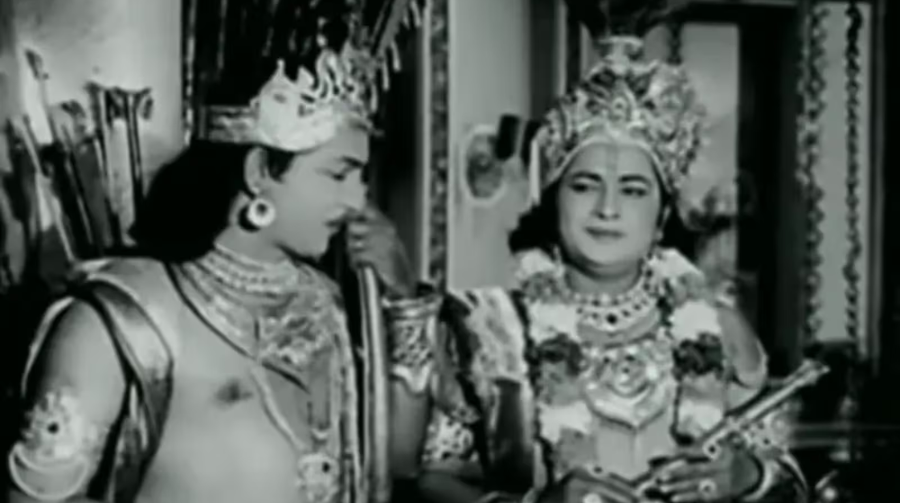
Mythology and the Birth of Indian Cinema
In 1913, Phalke released “Raja Harishchandra,” the first full-length Indian feature film. Its success encouraged more filmmakers to adapt mythological tales, as audiences were deeply connected with epics and Puranas.
Unlike modern cinema, where romance and action dominate, early Indian films were almost entirely based on gods, saints, and epics. This was because religious and mythological narratives were not only entertaining but also socially acceptable for audiences who were still adjusting to the new medium of film.
The First Screen Krishna: Silent Era (1918–1920s)
The earliest depiction of Lord Krishna came in Phalke’s silent films. Two key movies stand out:
- Krishna Janma (1918) – Focused on the birth of Krishna.
- Kaliya Mardan (1919) – Showcased child Krishna’s legendary victory over the serpent Kaliya.
In a fascinating twist, Phalke cast his own daughter, Mandakini Phalke, as child Krishna in “Kaliya Mardan.” She is, therefore, recognized as the first actor to play Krishna on screen — though as a child.
When it comes to adult portrayals, credit goes to Dattatraya Damodar Dabke, who worked closely with Phalke and acted in his mythological productions. Dabke is remembered as the first adult male actor to embody Krishna on screen.
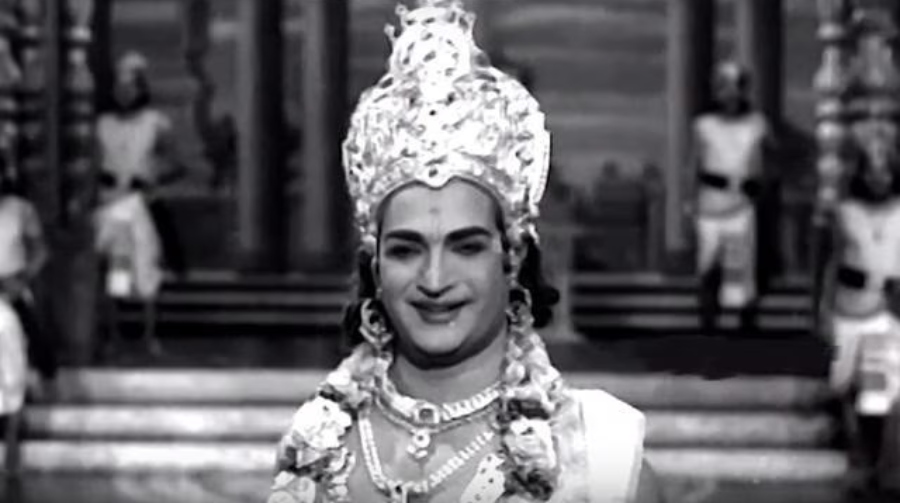
Expanding Krishna’s Cinematic Journey
After the silent era, the 1920s and 1930s saw the rise of talkies (sound films), which further amplified Krishna’s presence on screen. Films such as:
- Nand Kumar (1921)
- Gopal Krishna (1929)
- Krishna Bhakti (1935)
helped solidify Krishna’s role as not just a religious character but also a cinematic hero. These films typically depicted his childhood pranks, Rasleela in Vrindavan, and battles against demons.
Krishna in the Early Talkie Era (1930s–1950s)
With the introduction of sound in Indian cinema, mythological films became even more popular. Krishna’s character could now deliver dialogues, recite verses, and perform bhajans — giving audiences a more immersive devotional experience.
Some notable portrayals during this era included:
- P. G. Sane in Gopal Krishna (1929).
- Ranjan in Krishna Bhakta Sudama (1947).
- Abhi Bhattacharya as Krishna in Mahabharat (1965) — a performance that became a benchmark for cinematic portrayals.
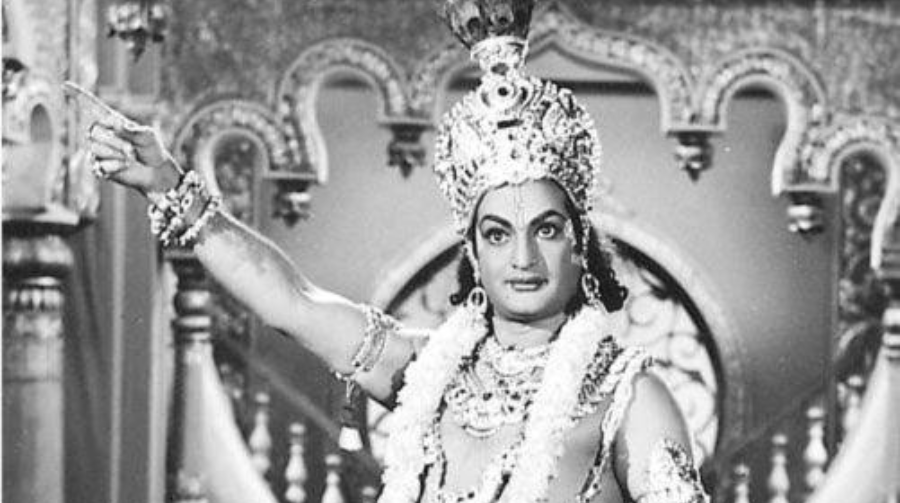
Krishna on Television: A Game-Changer (1980s–1990s)
While films kept Krishna alive, it was television that turned him into a household deity in India.
- B. R. Chopra’s Mahabharat (1988) featured Sarvadaman Banerjee as Krishna. His calm, philosophical portrayal, especially during the Bhagavad Gita sequence, remains iconic.
- Ramanand Sagar’s Shri Krishna (1993) cast Swapnil Joshi (as teenage Krishna) and Sarvadaman Banerjee (as adult Krishna). The show ran for years and was re-telecast during the COVID-19 lockdown, gaining a new wave of popularity.
Television made Krishna more accessible, bringing mythological stories to millions of living rooms across India.
Modern Era and Global Adaptations
Today, Krishna continues to appear on OTT platforms, animated films, and global productions. Animated features like Krishna: Makhan Chor and Little Krishna introduced the deity to children in a fresh, playful format.
Modern actors occasionally revisit Krishna in devotional films or stage productions, but none forget the legacy of the first pioneers from Phalke’s era.
Why Krishna Was an Early Cinematic Choice
Krishna’s early popularity in films was no coincidence. Several reasons explain this:
- Cultural Familiarity – Audiences already loved Krishna’s stories.
- Visual Appeal – Stories of miracles, demons, and divine acts translated well on screen.
- Devotional Connect – Watching Krishna on screen felt like an act of worship for many viewers.
- Political Symbolism – In colonial India, mythological films carried subtle messages of resistance and nationalism.
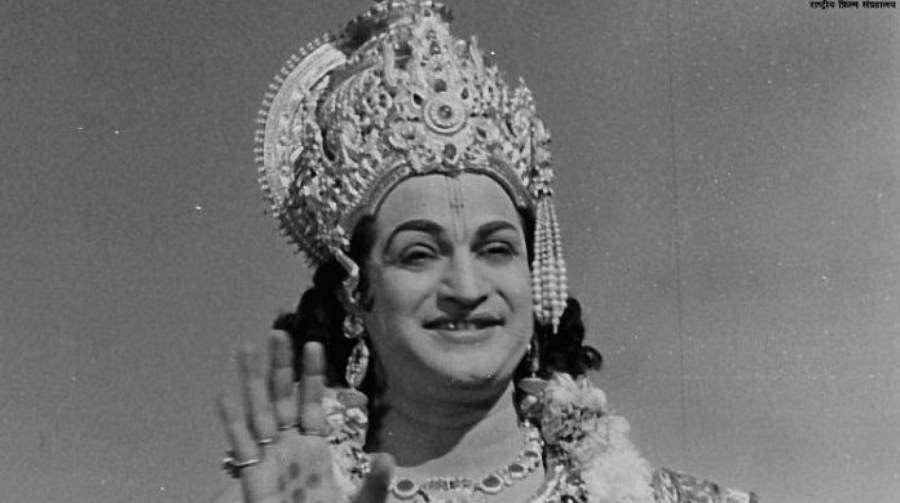
Timeline of Krishna on Screen
- 1918 – Krishna Janma (first Krishna film, silent era).
- 1919 – Kaliya Mardan – Mandakini Phalke as child Krishna.
- 1929 – Gopal Krishna – adult Krishna in talkies.
- 1947 – Krishna Bhakta Sudama – Krishna’s bond with Sudama portrayed.
- 1965 – Mahabharat film starring Abhi Bhattacharya as Krishna.
- 1988 – B. R. Chopra’s Mahabharat with Sarvadaman Banerjee.
- 1993–1996 – Ramanand Sagar’s Shri Krishna TV series.

Amid the blockbuster success of Dhurandhar: The Revenge, rising star Sara Arjun is grabbing headlines once again—this time for her appearance at an IPL match. A viral video featuring Sara alongside Ishaan Khatter outside the Wankhede Stadium has sparked massive buzz on social media.
Sara Arjun Cheers for Mumbai Indians
Sara Arjun attended the high-voltage Indian Premier League clash between Mumbai Indians and Kolkata Knight Riders.
- She was seen wearing a Mumbai Indians jersey, cheering for the home side
- The actress was accompanied by her parents, including actor Raj Arjun
- The outing reflected a relaxed, family-oriented moment amid her busy schedule
Viral Moment With Ishaan Khatter
What truly caught fans’ attention was Sara being spotted with Ishaan Khatter while exiting the stadium.
- The duo’s casual interaction quickly went viral
- Fans flooded social media with reactions, praising their chemistry
- Many even tagged casting director Mukesh Chhabra, suggesting the pair for a romantic film
Ad Collaboration Sparks Casting Buzz
The excitement around Sara and Ishaan isn’t new. The duo recently appeared together in a stylish advertisement directed by Zoya Akhtar.
- Their on-screen chemistry in the ad received strong audience appreciation
- Fans believe the pair has the potential to headline a romantic drama film
- The Wankhede spotting has only intensified this demand
About Dhurandhar 2
Dhurandhar: The Revenge continues its dream run at the box office:
- India Net Collection: ₹842.89 crore
- Worldwide Collection: ₹1100+ crore
The film features a stellar cast including:
- Ranveer Singh
- Sanjay Dutt
- Arjun Rampal
- Rakesh Bedi
- Sara Arjun
Sara plays Yalina Jamali, a pivotal character, marking her debut as a lead actress—a performance that has earned widespread praise.
Key Takeaways
- Sara Arjun continues to rise in popularity post Dhurandhar 2
- Her appearance with Ishaan Khatter has fueled casting speculation
- Their previous ad collaboration adds weight to fan demands
- The film’s success is amplifying visibility for its cast
Final Word
With a blockbuster debut and growing public interest, Sara Arjun is quickly becoming one of Bollywood’s most talked-about young stars. Meanwhile, her pairing with Ishaan Khatter could very well turn into a future big-screen collaboration if audience demand continues to build.
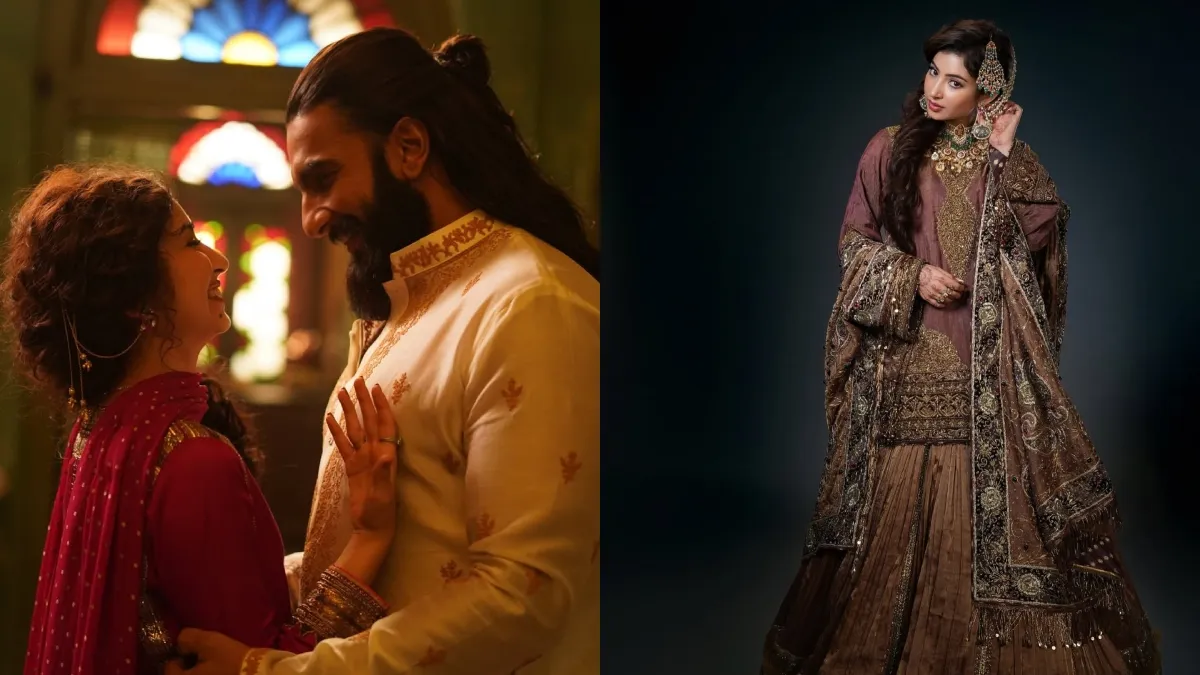
Rising star Sara Arjun has grabbed attention with her powerful performance in Dhurandhar and its sequel Dhurandhar: The Revenge. Known for her natural acting and strong screen presence, Sara is quickly becoming one of the most promising young talents in Indian cinema.
Here’s a detailed look at her journey, career milestones, and rise to fame.
Early Life and Background
Sara Arjun was born on June 18, 2005, in Mumbai into a film-oriented family.
- Daughter of actor Raj Arjun
- Grew up around cinema and storytelling
- Started acting at an exceptionally young age
Her early exposure to the industry played a crucial role in shaping her acting career.
Started Acting at Just 18 Months
Sara’s journey is nothing short of extraordinary.
- Began acting at just 1.5 years old
- Appeared in her first TV commercial as a toddler
- Featured in 100+ advertisements by the age of five
She quickly became a familiar face in advertising, known for her expressive performances even as a child.
Breakthrough in Tamil Cinema
Sara made her acting debut with Deiva Thirumagal (2011), starring alongside Vikram.
- Played the role of Nila, a sensitive and emotional character
- Film became a major commercial and critical success
- Earned widespread praise and awards for her performance
This film established her as one of the finest child actors in Indian cinema.
Bollywood Debut and Early Roles
Sara entered Hindi cinema with Ek Thi Daayan (2013), starring Emraan Hashmi.
She went on to appear in notable films such as:
- Jazbaa
- Saivam
- Ponniyin Selvan (as young Nandini alongside Aishwarya Rai Bachchan)
Her role in Ponniyin Selvan, directed by Mani Ratnam, proved to be a major turning point, bringing her pan-India recognition.
Transition to Lead Roles
After years as a successful child artist, Sara made a smooth transition into lead roles.
Her big breakthrough as a lead came with Dhurandhar (2025), where she starred opposite Ranveer Singh.
- Played Yalina Jamali, a pivotal character
- Showcased emotional depth and maturity
- Shared strong on-screen chemistry with Ranveer
Success with Dhurandhar Franchise
In Dhurandhar: The Revenge, Sara reprised her role, further strengthening her position in the industry.
The film featured a star-studded cast including:
- Ranveer Singh
- Akshaye Khanna
- Sanjay Dutt
- Arjun Rampal
- R. Madhavan
Her performance has been widely appreciated for:
- Emotional intensity
- Strong screen presence
- Ability to hold her own among seasoned actors
What Makes Sara Arjun Stand Out
Sara’s growing popularity can be attributed to:
- Early industry experience
- Natural and expressive acting style
- Ability to perform across multiple languages
- Strong film choices from a young age
She represents a rare blend of child prodigy and evolving leading actor.
What’s Next for Sara Arjun?
With the success of the Dhurandhar franchise, Sara is expected to:
- Take on more lead roles in big-budget films
- Expand her presence across Bollywood and South cinema
- Become one of the next-generation stars in Indian cinema
Final Take
Sara Arjun’s journey from a toddler in advertisements to a leading actress in major films like Dhurandhar: The Revenge is truly remarkable.
Her consistency, talent, and versatility suggest that she is not just a former child star—but a future powerhouse performer in Indian cinema.
Bollywood
Dhurandhar: The Revenge: How Ranveer Singh Transforms from Jaskirat Singh Rangi to Hamza Ali Mazari

The much-awaited sequel Dhurandhar: The Revenge dives deep into the intense and emotional journey of its protagonist, played by Ranveer Singh. The film showcases a gripping transformation—from a wronged young man to a covert operative living a double life.
Let’s break down the character arc, motivations, and ending of Jaskirat Singh Rangi, who later becomes Hamza Ali Mazari.
The Origins: Who is Jaskirat Singh Rangi?
Jaskirat Singh Rangi begins as a young, ambitious man from Pathankot, aspiring to join the Indian Army.
- Comes from a defence background—his father is an army officer
- Lives with his parents and two sisters
- Represents discipline, patriotism, and hope
However, his life takes a tragic turn due to a violent land and money dispute involving politically powerful individuals.
Turning Point:
- His father is murdered
- One sister is killed after brutal assault
- Another survives but is traumatised
When justice fails due to political influence, Jaskirat’s faith in the system collapses, pushing him toward revenge.
The Fall: From Aspirant to Convict
Driven by grief and rage, Jaskirat takes justice into his own hands.
- Arms himself with weapons
- Attacks the MLA’s residence
- Kills multiple people involved in the crime
This act transforms him from a victim into a criminal, leading to:
- Arrest and trial
- Death sentence
At this stage, his character reflects moral conflict—justice vs revenge.
The Turning Point: Entry into RAW
While awaiting execution, Jaskirat meets R. Madhavan’s character, Ajay Sanyal, a RAW officer.
Recognizing his:
- Physical capability
- Emotional intensity
- Fearlessness
Ajay recruits him for a covert mission—Operation Dhurandhar.
What changes here:
- His death sentence becomes an opportunity
- Revenge transforms into national duty
- He begins a new life as a trained operative
The Transformation: Birth of Hamza Ali Mazari
After rigorous training, Jaskirat adopts a new identity—Hamza Ali Mazari.
This marks:
- His entry into espionage
- Deep-cover infiltration into enemy territory
- A life built on deception and sacrifice
As Hamza:
- He infiltrates terrorist networks
- Lives among enemies
- Suppresses his real identity completely
This duality forms the emotional core of the story—a man torn between past pain and present duty.
Emotional Conflict: Identity vs Duty
One of the strongest aspects of the film is the psychological struggle faced by the protagonist:
- Jaskirat seeks revenge and closure
- Hamza represents discipline and sacrifice for the nation
Ranveer Singh delivers a layered performance, portraying:
- Rage and grief
- Emotional numbness
- Silent patriotism
The Ending Explained: A Sacrifice Beyond Recognition
The climax of Dhurandhar: The Revenge is deeply emotional and symbolic.
What happens:
- Hamza successfully returns to India
- Leaves behind his wife Yalina and son Zayan
- Reclaims his identity as Jaskirat
He travels to Pathankot to meet his family, only to find:
- His mother and sister have rebuilt their lives
- They believe he is long gone
The Final Choice:
Despite being just steps away, he chooses not to reveal himself.
Why?
- His identity as Jaskirat is “dead”
- His duty as a spy comes first
- Revealing himself could endanger his family
Remembering the words: “Balidan Parmo Dharma” (Sacrifice is the highest duty), he walks away.
What the Ending Means
The ending highlights:
- Ultimate sacrifice—giving up personal happiness
- The invisible life of spies
- The cost of patriotism beyond glory
Jaskirat doesn’t get closure, recognition, or reunion—only duty and silence.


Sara Arjun & Ishaan Khatter Spotted Outside Wankhede After Ad Buzz, Video Goes Viral

Rohit Sharma–Ryan Rickelton Create History as Mumbai Indians Beat KKR in IPL 2026 Thriller

Australia Women Dominate West Indies in 1st ODI Despite Stafanie Taylor’s Heroics

Ex-Cricketer Shikhar Dhawan Buys Ultra-Luxury Apartment Worth ₹69 Crore in Gurugram

Delhi Police SI Neetu Bisht Caught Taking ₹20 Lakh Bribe – Shocking Details Emerge in Corruption Probe

Telegram Channels Disseminating Pro‑Russian Propaganda in Poland
-
 Celebrity Lifestyle11 months ago
Ex-Cricketer Shikhar Dhawan Buys Ultra-Luxury Apartment Worth ₹69 Crore in Gurugram
-
 Crime & Investigation8 months ago
Delhi Police SI Neetu Bisht Caught Taking ₹20 Lakh Bribe – Shocking Details Emerge in Corruption Probe
-
 Glamour & Entertainment9 months ago
Telegram Channels Disseminating Pro‑Russian Propaganda in Poland
-

 Bollywood8 months ago
No ₹3 Lakh Fine or 2-Year Jail: The Truth Behind the ‘Hakla’ GIF Buzz
-

 Entertainment10 months ago
Abhijeet & Dr Tarika Reunite in CID 2 — Fans Say ‘Clear the Misunderstanding Now
-

 Business10 months ago
Amazon sets 30‑day relocation deadline for corporate staff—opt out by resigning in 60 days
-

 Travel & Adventure9 months ago
Best Places to Hangout in Delhi (2025): Top 10 Picks for Fun & Chill
-

 Economy & Business10 months ago
📈 Indian Stock Market Soars in June 2025 Amid RBI Rate Cut and Foreign Investment Boost